
PATIENT STORY
Somchai, Thailand – Living Donor Kidney Transplant Surgery
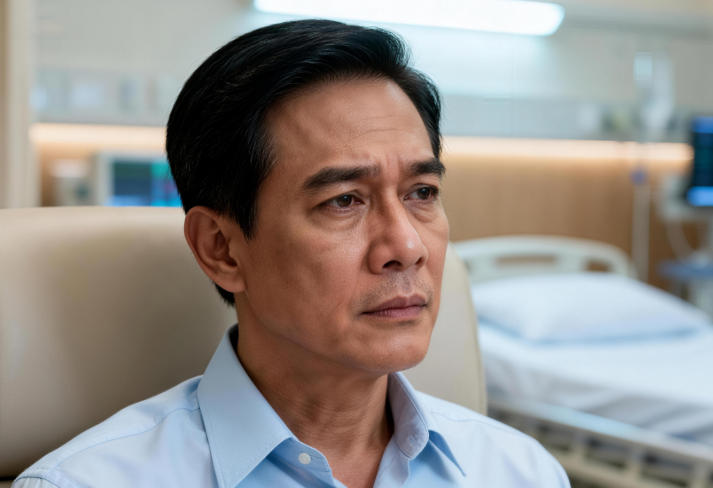
【Patient portrait】
Patient Somchai, 45 years old, is the technical director of an IT company in Bangkok, Thailand. He was diagnosed with end-stage renal disease and has been on regular hemodialysis for 3 years. His quality of life has been poor due to long-term dialysis and he urgently needs to receive a living donor kidney transplant to improve his kidney function and get rid of dialysis dependence.
The donor's HLA typing was a 5/10 half-match, and after preliminary evaluation at a local hospital in Thailand, their physical condition met the criteria for living donor kidney transplantation. Both the patient and the donor had completed all necessary entry and exit procedures and cross-border medical treatment formalities before coming to China, allowing them to directly enter the country for medical treatment.
【Predicaments before coming to China】
Surgery resources in Thailand are strained, and patients cannot afford long waiting lists. At the same time, patients highly value surgical safety and compliance, prioritizing minimally invasive procedures, ethically approved methods, and legally sound cross-border transplant options to avoid the risks associated with unregulated overseas transplants.
【The decision-making process of choosing Trisana Medguide】
Patients connect with Trisana Medguide through the Bangkok International Medical Tourism Fair, where we provide comprehensive pre-process compliance assistance, Thai-language support, and minimally invasive customized assistance for international kidney transplantation.
Accurate translation of Thai medical records; pre-screening and risk assessment of complete medical data for both donor and recipient;
Collaborate with the Department of Urology at Renji Hospital affiliated with Shanghai Jiao Tong University School of Medicine to conduct remote assessments by two specialists to determine the feasibility of transplantation;
A customized da Vinci robot-assisted laparoscopic minimally invasive kidney retrieval plan significantly reduces donor trauma and shortens the recovery period;
Fully publicize China's regulations on living organ transplantation, refine the ethical approval process, and clarify the approval cycle.
【A complete record of my medical treatment in China】
| Timeline | Service Content |
| Day 1 Arrival and Settlement | The patient and donor arrive in Shanghai on the same flight, are transported by dedicated car in a closed loop, and are checked into a special assessment apartment for transplantation, completing entry verification and preoperative settlement. |
| Day 2–Day 4 Preoperative Assessment + Ethical Approval | The recipient completes a full set of preoperative assessments including kidney function, immune indicators, and imaging; the donor completes detailed physical screening and specialized psychological assessment; the hospital successfully passes the review of the International Living Donor Kidney Transplant Ethics Committee (subsequent administrative approval from the National Health Commission will be processed simultaneously by the hospital according to legal procedures). |
| Day 5 Simultaneous Minimally Invasive Surgery | Surgery was performed simultaneously in two operating rooms: the donor underwent a da Vinci robotic-assisted laparoscopic left nephrectomy; the recipient simultaneously underwent a kidney transplant anastomosis, and urine production began immediately after blood flow was restored to the donor kidney, thus initiating transplant kidney function immediately. |
| Day 6–Day 10: Rapid Postoperative Recovery | The donor recovered quickly, able to get out of bed on the first day after surgery and successfully discharged to a dedicated rehabilitation apartment on the fourth day; the recipient's transplanted kidney function improved significantly, with creatinine gradually decreasing from 11.2 mg/dL preoperatively to 1.3 mg/dL postoperatively, and kidney function approaching normal. |
| Day 11–Day 20: Steady-State Rehabilitation and Anti-Rejection Record Establishment | The patient undergoes simultaneous rehabilitation and recuperation with the donor, while the medical team establishes an individualized immunosuppressive and anti-rejection regimen for the recipient, dynamically monitoring blood drug concentrations and renal function indicators. |
| Day 21: Successful Return Trip | The donor has fully recovered and regained normal activity levels; the recipient's condition is stable and the medication regimen is mature. We delivered a bilingual (Chinese and Thai) rehabilitation guide, anti-rejection medication plan, and remote follow-up plan. After the transplant team's assessment confirmed that the patient met flight safety requirements, the patient returned safely to Bangkok. |
【Comparison of transplantation options】
| Comparison Dimensions | Indian Private Transplant Programs | Trisana Medguide Medical Treatment Program in China |
| Overall cost | Approximately $40,000 to $60,000 (legal compliance risks exist) | The cost difference is not significant, but it is safer, more efficient, and more secure. |
| Donor surgery methods | Mostly open surgery or conventional laparoscopy, resulting in significant trauma and slow recovery . | The da Vinci robotic minimally invasive procedure (suitable for qualified donors after evaluation) is less invasive, involves less bleeding, and has a shorter recovery period. |
| Compliance and Legal Safeguards | Opaque processes and lack of formal ethics approval documents pose compliance risks | Strict adherence to China's Organ Transplantation Regulations, with a dual-track process of in-hospital ethics approval and National Health Commission administrative approval, ensuring all documents are legal and traceable. |
| Postoperative follow-up services | Inadequate follow-up system makes cross-border postoperative management difficult | We provide bilingual (Chinese and Thai) remote long-term follow-up and rehabilitation guidance, ensuring a complete closed loop of postoperative care. |
【Customer testimonials (anonymous quote)】
Within my budget, my options were limited. I couldn't afford treatment in Europe or America, and I was concerned about the legal frameworks and high risks associated with transplants in some countries. After careful consideration, I chose to receive treatment in China. I am extremely grateful to Trisana Medguide for their professional and meticulous support throughout the entire process. From initial document review and ethical coordination to surgical arrangements and post-operative rehabilitation guidance, everything was handled smoothly and efficiently. Shanghai's medical technology is reassuring; the robotic minimally invasive surgery resulted in very small incisions, and my sister recovered remarkably quickly, being discharged after only 5 days. My new kidney is recovering very well, and I am very grateful for Trisana Medguide's comprehensive support and the excellent medical skills of the Chinese doctors.