Pediatric Rehabilitation
The National Children's Medical Center's core subspecialty of pediatric neurorehabilitation; a benchmark in China for ultra-early screening of cerebral palsy, standardized functional assessment, and hospital- community -family chain rehabilitation system; leading the development of the "Clinical Practice Guidelines for Cerebral Paralysis in Children and Adolescents"; benchmarking against the Cincinnati Children's Hospital's Child Rehabilitation Center in the United States.
The Rehabilitation Center of the Children's Hospital Affiliated to Fudan University was established on May 18, 2000. It is a specialized center integrating medical treatment, teaching, research and development and translation. Adhering to the medical philosophy of "rigorous and pragmatic, accumulating knowledge and making breakthroughs", it pursues comprehensive development in all aspects of medical treatment, teaching and research. At present, it has developed into a children's rehabilitation institution with considerable scale and influence in China. The department is a standing committee member unit of the Autism Committee of the Chinese Association of Rehabilitation Medicine, a vice chairman unit of the Child Rehabilitation Committee of the Shanghai Association of Rehabilitation Medicine, a member unit of the Pediatric Cerebral Palsy Rehabilitation Committee of the China Disabled Persons' Rehabilitation Association, a designated assessment and training institution for rehabilitation assistance for disabled children by the Shanghai Disabled Persons' Federation, and the only Asian training base of the European GM Trust "Total Movements (GMs) Assessment China Training Base".
Core business operational efficiency:
The department currently has 11 physicians and 23 rehabilitation therapists, including 2 with senior professional titles, 2 with associate senior professional titles, 1 doctoral supervisor, 1 master's supervisor, 4 with doctoral degrees, and 1 provincial-level high-level talent. After more than 20 years of development, the rehabilitation center has formed four distinctive sub-specialties: high-risk infant assessment and intervention, critical care rehabilitation, psychological and behavioral rehabilitation, and rare disease rehabilitation. It has developed eight nationally influential specialized departments and diseases: high-risk infant GMs assessment and early intervention, learning disability rehabilitation, sensory integration and attention rehabilitation, early critical care rehabilitation, systemic rehabilitation management of neuromuscular diseases (rare diseases), gait and musculoskeletal rehabilitation, speech and swallowing disorder rehabilitation, and autism rehabilitation. In the past five years, the hospital has received more than 300 trainees from all over the country, including doctors, physical therapists, occupational therapists, speech therapists, and nurses. More than 60% of these trainees are from top-tier hospitals.
Discipline Positioning and Core Advantages:
The department serves as the European GM Trust "China Training Base for Whole-Body Movement Assessment," and has long-term scientific research collaborations and academic exchanges with Professor Christa Einspieler of the Medical University of Graz, Austria. It has trained over 2,000 GMs technical personnel, spread across all provinces and cities in China, with 49 GMs intermediate member assessment institutions nationwide. Its core advantages can be summarized as a four-dimensional integration: "International Training Base for GMs Whole-Body Movement Assessment Technology × Pioneering National System for Early Screening and Intervention of Cerebral Palsy × Leading the Medical-Community-Family Chain Rehabilitation Model × Emphasis on Early Rehabilitation of Critical Illnesses and Systemic Management of Rare Diseases." The department pioneered several national initiatives, including the "Standardized Assessment System for Cerebral Palsy Rehabilitation," the "Early Screening and Intervention System for Cerebral Palsy," the "Chain-based Rehabilitation Service Model for Cerebral Palsy Children (Medical-Community-Family)," the "Graded Rehabilitation Management Model for High-Risk Infants," and the "Systematic Management Model for Peripheral Neuromuscular Diseases." It also took the lead in implementing "Acute Phase Rehabilitation Functional Assessment and Early Intervention for Hospitalized Children." In the past five years, the rehabilitation team has been granted more than 10 National Natural Science Foundation of China projects and provincial/ministerial-level research grants, applied for more than 10 patents, and spearheaded the development of the "Clinical Practice Guidelines for Cerebral Palsy in Children and Adolescents" and the "Shanghai Municipal Standards for the Rehabilitation Management of Cerebral Palsy Children."
Hospital Specialists
8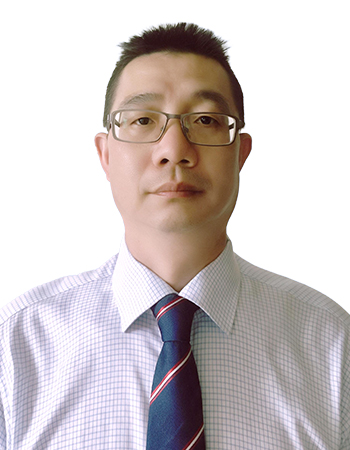 Shi Wei
Associate Chief Physician, Deputy Director of the Rehabilitation Department, Children's Hospital Affiliated to Fudan University.
↗
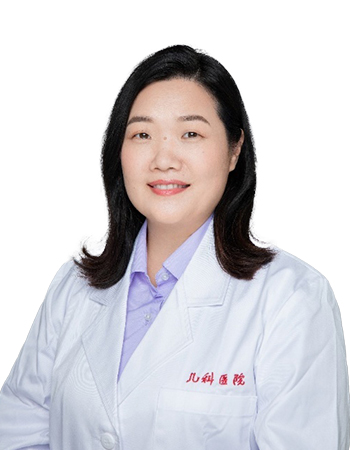 Wang Sujuan
Associate Chief Physician, Deputy Director of the Rehabilitation Center, Children's Hospital Affiliated to Fudan University.
↗
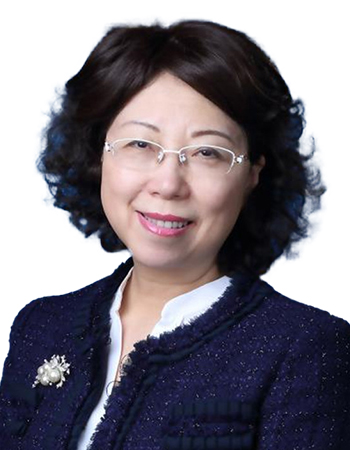 Xu Hong
Chief Physician, Professor, Doctoral Supervisor, Former Director of the Department of Nephrology and Rheumatology
↗
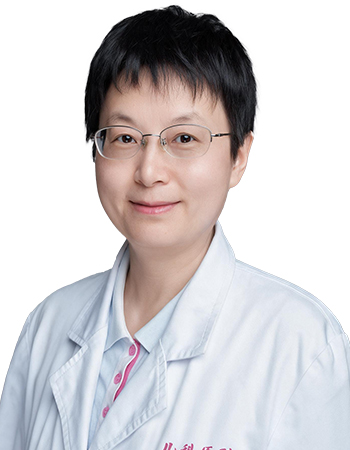 Yang Hong
Chief Physician, Associate Professor, Master's Supervisor, Doctor of Medicine.
↗
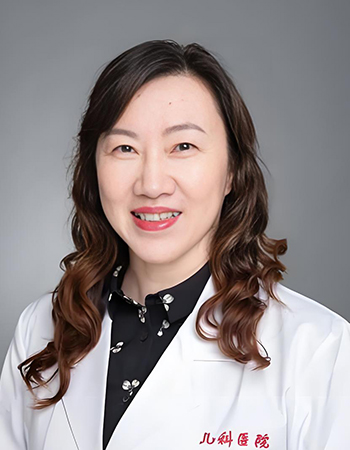 Wang Yi
President, Chief Physician, Dr., and Doctoral Supervisor of the Children's Hospital Affiliated to Fudan University
↗
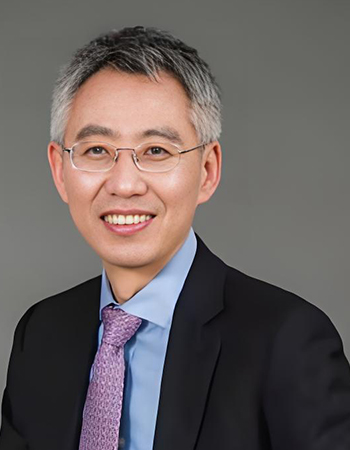 Zhou Wenhao
Doctor of Clinical Medicine, Chief Physician, and Doctoral Supervisor. Vice President of the Children's Hospital of Fudan University. Currently working at the Neonatal Center of the Children's Hospital of Fudan University
↗
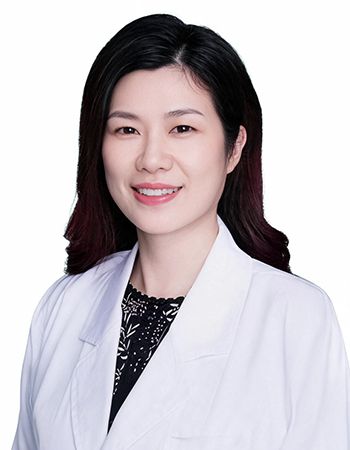 Zhai Xiaowen
Doctor of Medicine, Dr., Chief Physician, Doctoral Supervisor. Vice President and Head of Hematology Department at the Children's Hospital Affiliated to Fudan University
↗
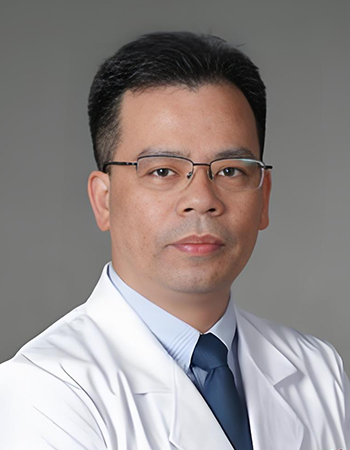 Lu Guoping
Chief Physician and Doctoral Supervisor. Director of the Department of Critical Care Medicine and Director of the Clinical Training and Examination Center at the Children's Hospital Affiliated to Fudan University
↗