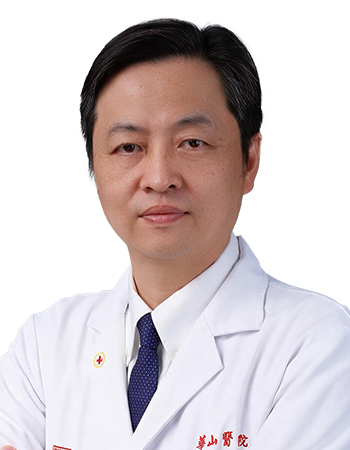
Chief Physician, Professor, Doctoral Supervisor, Director of Cerebrovascular Disease Subspecialty
Neurology
-Research areas : Cerebrovascular diseases, Moyamoya disease, intracranial aneurysms; - Areas of expertise: cerebrovascular complex surgery, intracranial and extracranial vascular bypass, FLOW00 intraoperative perfusion assessment; - Areas of expertise: Intracranial aneurysm, cerebral AVM, Moyamoya disease, spontaneous intracerebral hemorrhage; - Academic Highlights & Core Values: Innovative "Huashan Solution" for cerebrovascular composite surgery; Leading expert in surgical diagnosis and treatment of moy
 Affiliated Hospital
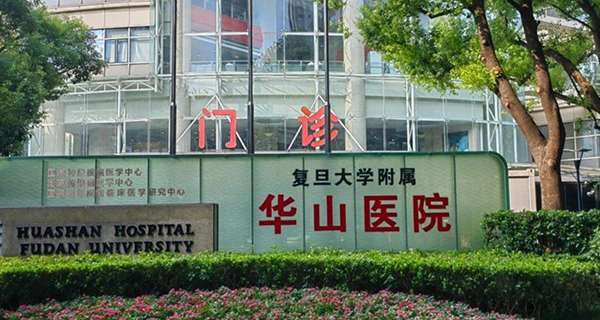
Huashan Hospital Affiliated to Fudan University
→
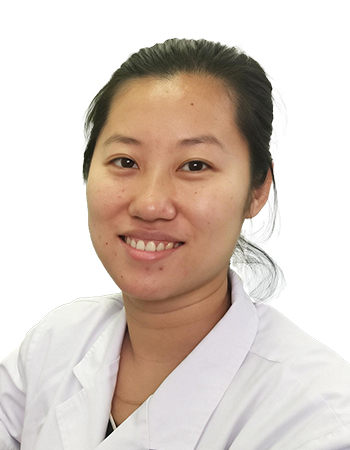
Associate Chief Physician
Neurology
Research areas : neurogenic dysphagia, aphasia, cognitive rehabilitation; cutting-edge technology: stepwise rehabilitation for dysphagia after stroke; areas of expertise: dysphagia after brain injury, dysarthria, cognitive and memory decline; academic highlights: authoritative expert in speech and cognitive rehabilitation; core value: establishing screening and rehabilitation pathways for neurogenic swallowing and language disorders to reduce the risk of aspiration.
 Affiliated Hospital
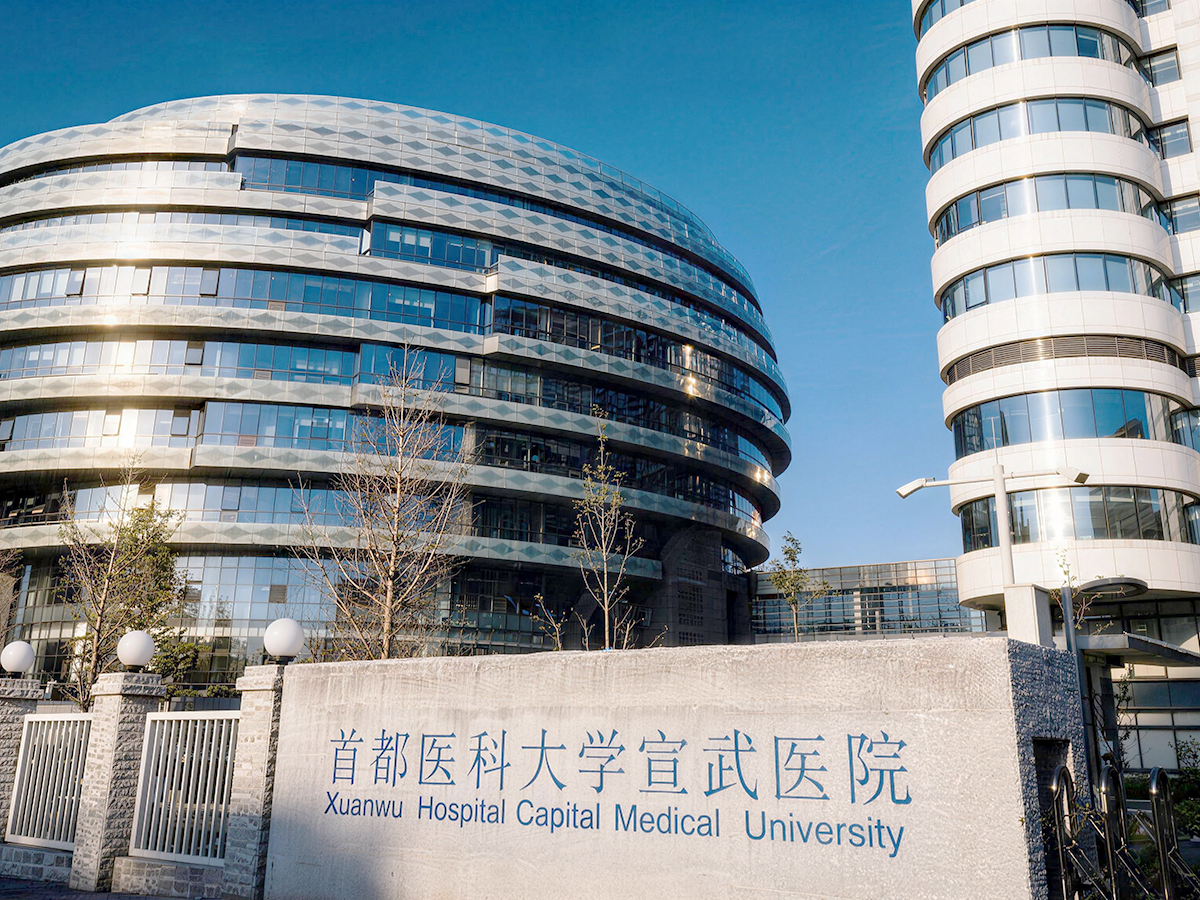
Xuanwu Hospital (First Clinical Medical College), Capital Medical University
→
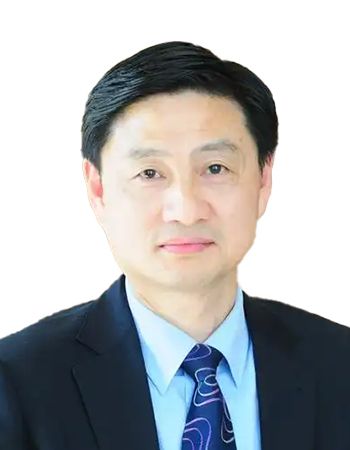
Chief Physician, Professor, Doctoral Supervisor, Director of the Department of Rehabilitation Medicine , and Director of the Department of Rehabilitation Medicine, Shanghai Medical College of Fudan University.
Neurology
Research Areas : Rehabilitation assessment and treatment of functional impairments after stroke; rehabilitation treatment of hemiplegia due to stroke/traumatic brain injury, paraplegia due to spinal cord injury, altered consciousness, aphasia, and dysphagia. Cutting-Edge Technologies: Innovatively proposed the concept of "precise positioning, precise diagnosis, and precise rehabilitation," pioneering the integration of imaging, neurophysiology, and near-infrared brain function detection technologies into
Affiliated Hospital
Huashan Hospital Affiliated to Fudan University
→
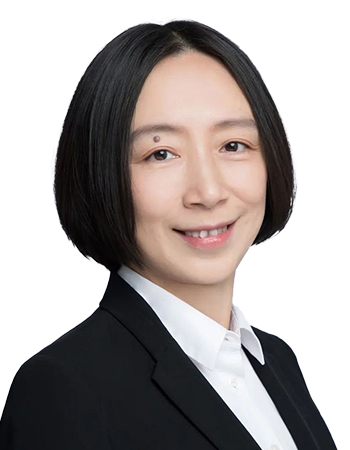
Chief Physician, Professor, Doctoral Supervisor, Director of the Neuroimmunology/Myopathy Subspecialty
Neurology
-Research areas : Myasthenia gravis, inflammatory myopathy, autoimmune encephalitis; - Areas of expertise: Neuromuscular antibody profiling, individualized immune modulation for myasthenia gravis, plasma exchange/immunoadsorption therapy; - Diseases specializing in: Myasthenia gravis, polymyositis, dermatomyositis, autoimmune encephalitis, neuromyelitis optica spectrum disorders; - Academic Highlights & Core Values: A leading authority on neuroimmunological diseases in China, the author of the national gu
Affiliated Hospital
Huashan Hospital Affiliated to Fudan University
→
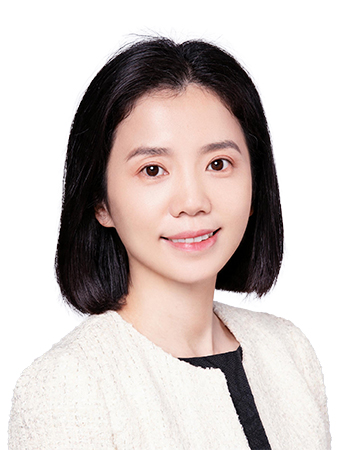
Chief Physician, Professor, Doctoral Supervisor, Deputy Director of the Department of Neurology, Huashan Hospital.
Neurology
Research areas : Acute treatment of cerebrovascular diseases and clinical and basic research on cerebral small vessel diseases. Cutting-edge technology: Over 10 years of experience in managing the acute stroke green channel at Huashan Hospital; specializing in acute stroke treatment procedures, intravenous thrombolysis, endovascular therapy, and multimodal imaging assessment; leading a national key science and technology project and conducting original research on the pathogenesis of cerebral small vessel
Affiliated Hospital
Huashan Hospital Affiliated to Fudan University
→
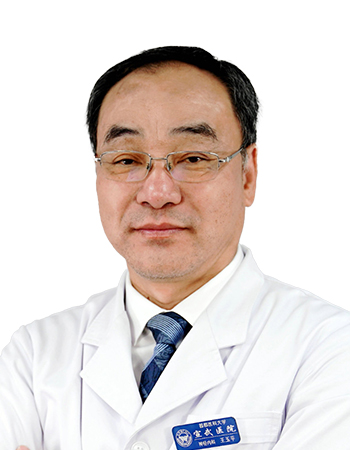
Chief Physician, Professor, Doctoral Supervisor, Former Department Head
Neurology
Research areas : Epilepsy, sleep disorders, neuromodulation; Cutting-edge technologies: Magnetoencephalography (MEG) for epileptogenic focus localization, neuromodulation therapy for refractory epilepsy; Areas of expertise: All types of epilepsy, narcolepsy, restless legs syndrome; Academic highlights: Leading expert in epilepsy and sleep medicine in China; Core value: Establishing integrated diagnosis and treatment standards for epilepsy and sleep disorders in China. Su Fengzeng (Chief Physician, Profess
Affiliated Hospital
Xuanwu Hospital (First Clinical Medical College), Capital Medical University
→
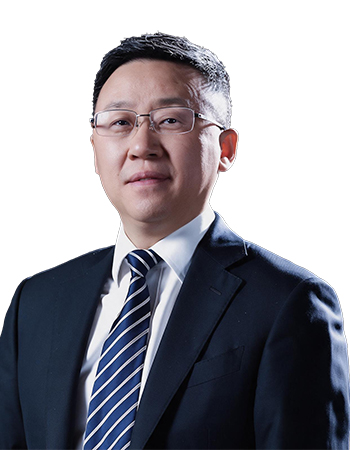
Department of Respiratory and Critical Care Medicine, Doctoral Supervisor, Former Dean
Neurology
Research areas : Early screening for lung cancer, pathogenesis of early-stage lung cancer, precision diagnosis and treatment of lung tumors. - Cutting-edge technologies: Low-dose CT lung cancer screening, magnetically guided bronchoscopic biopsy, and AI-based lung cancer image recognition. - Areas of expertise: Lung nodules, early-stage lung cancer, personalized targeted/immunotherapy for advanced lung cancer, and complex lung tumors. - Academic Highlights: Vice Chairman of the Respiratory Diseases Branch
 Affiliated Hospital
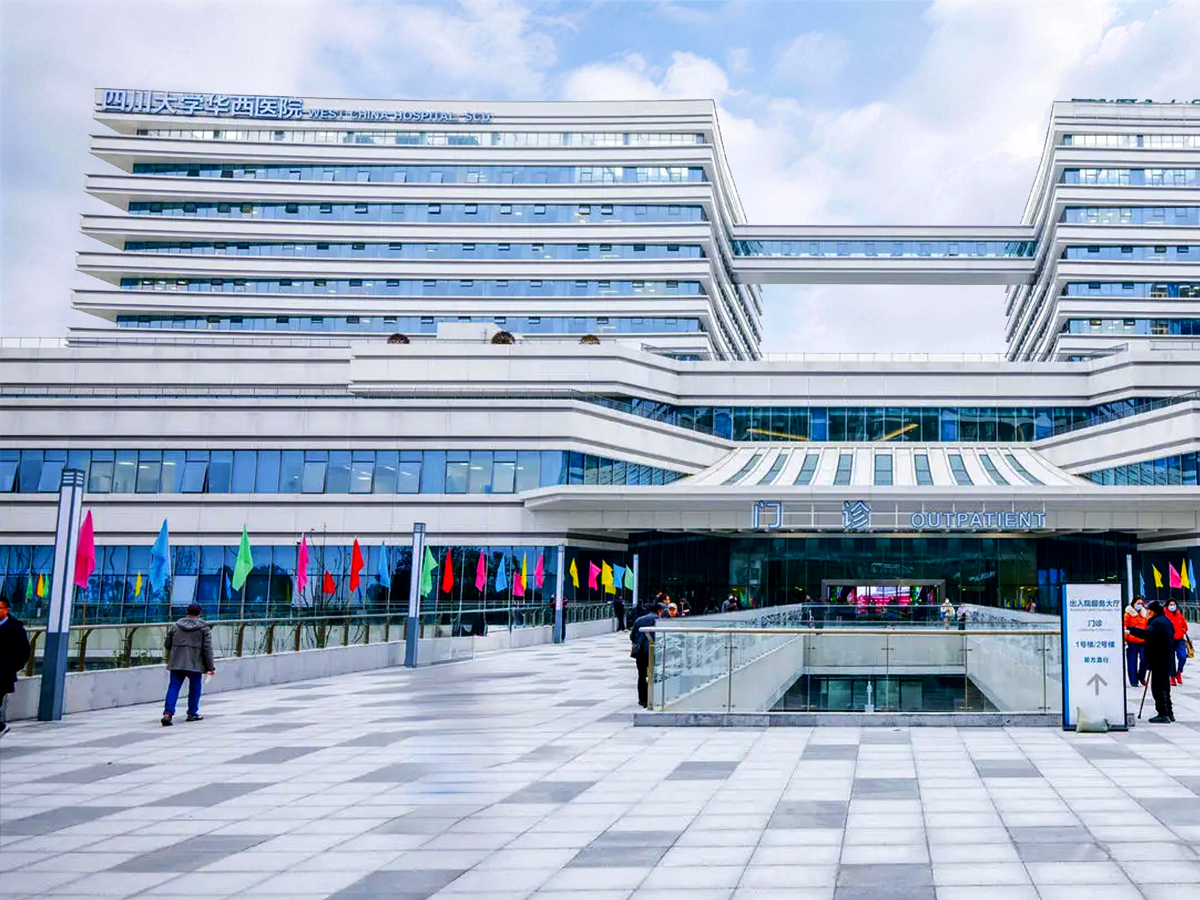
West China Hospital of Sichuan University
→
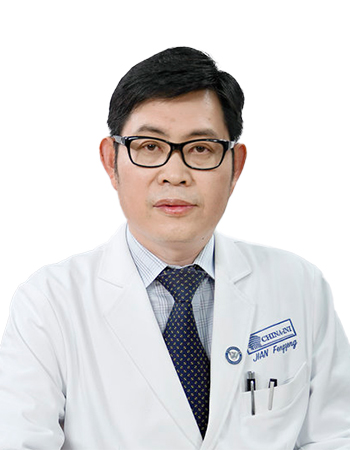
Chief Physician, Professor, Deputy Director of Department, Founder of the Neurospine Center
Neurology
Research areas : Neurospine surgery, craniocervical junction malformations; Cutting-edge technology: Neurospine minimally invasive microsurgical techniques; Specialized diseases: Atlantoaxial dislocation, syringomyelia, spinal canal tumors, cervical spondylosis; Academic highlights: Pioneer of neurospine surgery in China; Core value: Pioneering an independent subspecialty of neurospine surgery in China and establishing standardized surgical pathways for spinal cord lesions.
Affiliated Hospital
Xuanwu Hospital (First Clinical Medical College), Capital Medical University
→
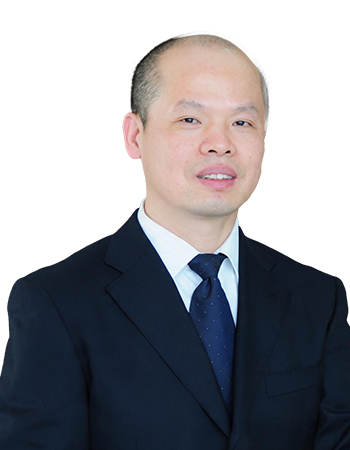
Chief Physician, PhD, key member of the subspecialty of consciousness disorder rehabilitation and speech and swallowing rehabilitation in the Department of Rehabilitation Medicine.
Neurology
Research areas : Functional reconstruction after brain injury, rehabilitation for severe consciousness disorders after brain injury, and rehabilitation treatment for motor/speech/swallowing disorders. Cutting-edge technology: Utilizing the theory of functional reconstruction after brain injury to develop individualized rehabilitation plans for patients with severe consciousness disorders after brain injury, achieving groundbreaking clinical results in the areas of promoting arousal and precise treatment o
Affiliated Hospital
Huashan Hospital Affiliated to Fudan University
→
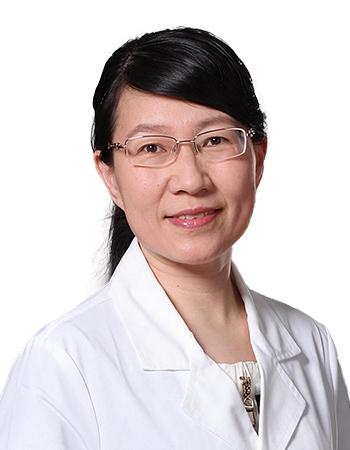
Chief Physician, Professor, Doctoral Supervisor, Director of the Neurogenetics Subspecialty
Neurology
-Research areas : Hereditary neurological disorders, Wilson's disease; - Areas of expertise: gene sequencing for neurogenetic diseases, family genetic counseling, and personalized copper chelation therapy for Wilson's disease; - Areas of expertise: Wilson's disease, hereditary ataxia, hereditary spastic paraplegia, familial muscular atrophy; - Academic Highlights & Core Values: Leading experts in the diagnosis and treatment of Wilson's disease in China, establishing a national follow-up cohort and treatme
Affiliated Hospital
Huashan Hospital Affiliated to Fudan University
→
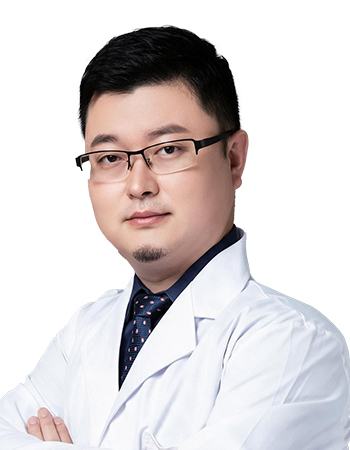
Chief Physician, Professor, Doctoral Supervisor, Deputy Director of the Department of Rehabilitation Medicine.
Neurology
Research Areas : Basic and clinical research on rehabilitation of neurological injuries and diseases; rehabilitation treatment of motor dysfunction and spasticity after stroke; application of brain-computer interfaces in stroke rehabilitation. Cutting-Edge Technologies: Proficient in using ultrasound-guided botulinum toxin injection to alleviate limb spasticity in stroke and spinal cord injury patients; utilizing 3D motion capture systems for gait analysis and orthotic customization; conducting clinical a
Affiliated Hospital
Huashan Hospital Affiliated to Fudan University
→
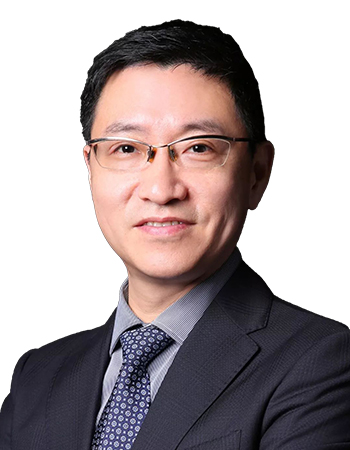
Chief Physician, Master's Supervisor, Head of the Pituitary Tumor Subspecialty Group in the Department of Neurosurgery at Huashan Hospital.
Neurology
Research areas : minimally invasive surgical treatment of various intracranial tumors, mainly sellar region tumors, and transsphenoidal surgery for pituitary tumors. Cutting-edge technology: We were the first in China to perform transsphenoidal pituitary tumor resection under neuroendoscopy, which is characterized by minimal surgical trauma, a high rate of complete tumor resection, and a low complication rate. We have performed more than 5,000 pituitary tumor surgeries to date and treat patients with comp
Affiliated Hospital
Huashan Hospital Affiliated to Fudan University
→
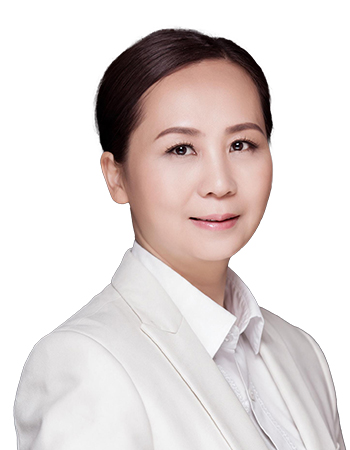
Chief Physician, Professor, Doctoral Supervisor, Deputy Director of the Department of Rehabilitation Medicine, and leader of the subspecialty of "Hand Function Disorder Rehabilitation".
Neurology
Research areas : Rehabilitation of upper limb and hand dysfunction after stroke, functional reconstruction after peripheral nerve injury, rehabilitation brain-computer interface technology, and transcranial focused ultrasound neuromodulation. Cutting-edge technologies: A unique "mirror-based task-oriented training" treatment program significantly improves the recovery rate of fine motor skills in stroke patients; development of portable hand function training devices, wearable functional electrical stimul
Affiliated Hospital
Huashan Hospital Affiliated to Fudan University
→
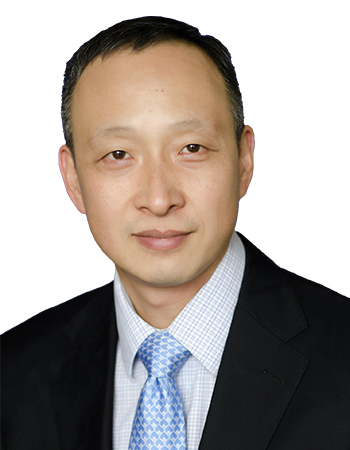
Chief Physician, Master's Supervisor, and key member of the subspecialty of bone and joint rehabilitation and pain rehabilitation in the Department of Rehabilitation Medicine.
Neurology
Research areas : Rehabilitation and treatment of musculoskeletal, joint, soft tissue, and nerve pain; botulinum toxin injection therapy for muscle spasms after stroke and cerebral palsy. Cutting-edge technology: Proficient in combining imaging techniques for precise diagnosis of pain causes; utilizing botulinum toxin injections and other techniques to treat muscle spasms after stroke and traumatic brain injury; precise and minimally invasive clinical protocols. Areas of Expertise: Rehabilitation and treat
Affiliated Hospital
Huashan Hospital Affiliated to Fudan University
→
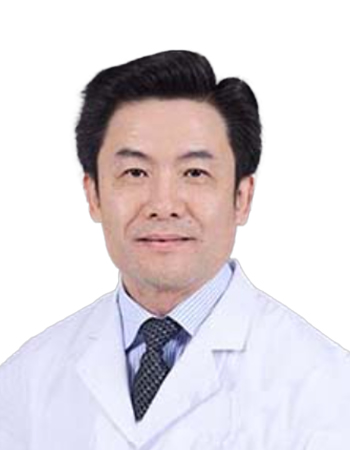
Chief Physician, Professor, Doctoral Supervisor, Head of Cardiology Subspecialty, Deputy Director of Department of Internal Medicine
Neurology
-Research areas : hypertension, dyslipidemia, complex cardiomyopathy, pulmonary hypertension; - Areas of expertise: Etiological identification of refractory hypertension, stratified targeted therapy for pulmonary hypertension; - Areas of expertise: refractory hypertension, cardiomyopathy of unknown cause, pulmonary hypertension related to connective tissue disease; - Academic Highlights & Core Values: Standing Committee Member of the Chinese Society of Cardiology, a leading expert in the field of pulmonar
 Affiliated Hospital
Peking Union Medical College Hospital, Chinese Academy of Medical Sciences
→
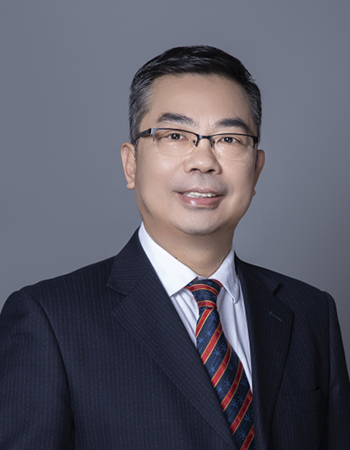
Chief Physician, Dr., and Doctoral Supervisor. Currently serves as Director of the Neurology Center, Epilepsy Center, Rare Disease Center, and Neurological Diseases and Cognitive Research Laboratory at the National Children's Medical Center and Beijing Children's Hospital, Capital Medical University.
NeurologyRare & Complex Diseases
Has extensive clinical experience in the surgical treatment of functional neurosurgical diseases, especially refractory epilepsy, and has long been engaged in research on the pathogenesis and intervention strategies of epilepsy and cognitive developmental disorders. Graduated from the Department of Medicine, Hebei Medical University in 1989, and received a Ph.D. in Surgery (Neurosurgery) from Capital Medical University in 2003. Has undertaken more than ten national and provincial-level research projects a
 Affiliated Hospital
Beijing Children's Hospital (School of Pediatrics, National Children's Medical Center), Capital Medical University
→
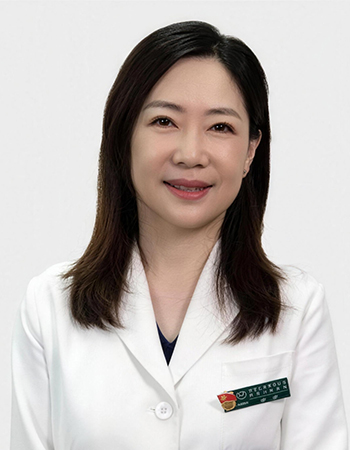
Chief Physician (Level 1), Doctor of Medicine, Dr., and Doctoral Supervisor
Neurology
Currently serving as Honorary Director of the Department of Neurology at the National Children's Medical Center—Beijing Children's Hospital, Capital Medical University. From 2010 to 2023, she served as Director of the Department of Neurology, Deputy Director of the Neurology Center, Director of the Epilepsy Center (until 2021), Director of the Mitochondrial Disease Research Laboratory, and Deputy Director of the first batch of "Level III Comprehensive Epilepsy Centers" in pediatric specialty hospitals na
Affiliated Hospital
Beijing Children's Hospital (School of Pediatrics, National Children's Medical Center), Capital Medical University
→
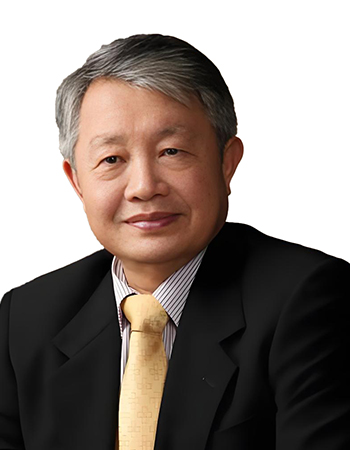
DR. of the Chinese Academy of Engineering, Dr. of neurosurgery, doctoral supervisor, director of the Neurosurgery Institute of Fudan University, director of the Neurosurgery Department of Huashan Hospital, and director of the Shanghai Neurosurgical Clinical Medical Center
Neurology
Born in 1941, he graduated from Shanghai First Medical College in 1965 and served as a resident physician and attending physician in general surgery, orthopedics, hand surgery, and neurosurgery at Huashan Hospital in Shanghai. He served as director of neurosurgery from 1984. In 1986, he became a Fellow in neurosurgery at the University of Minnesota. He was elected an DR. of the Chinese Academy of Engineering in 2009 and an DR. of the World Federation of Neurosurgical Societies in 2011. Currently, he serve
Affiliated Hospital
Huashan Hospital Affiliated to Fudan University
→
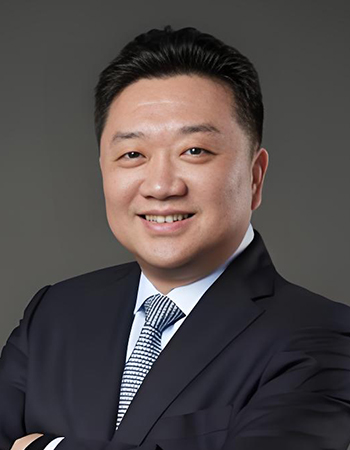
Chief Physician, Dr., Doctoral Supervisor, MD, studied under DR. Zhou Liangfu. Currently serves as the President of Huashan Hospital Affiliated to Fudan University and Executive Deputy Director of the Department of Neurosurgery
Neurology
Director of the National Center for Neurological Diseases. Changjiang Scholar Dr. appointed by the Ministry of Education, recipient of the National Science Fund for Distinguished Young Scholars, and recipient of the State Council Special Allowance. Vice Chairman of the Neurosurgery Branch of the Chinese Medical Association, Vice President of the Neurosurgery Branch of the Chinese Medical Doctor Association, Chairman of the Neurosurgery Branch of the Shanghai Medical Association, and Honorary Chairman of t
Affiliated Hospital
Huashan Hospital Affiliated to Fudan University
→
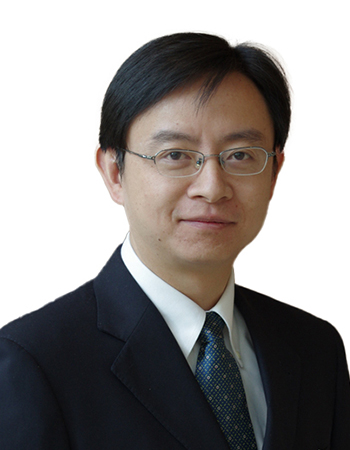
Doctor of Medicine, Chief Physician, Dr., and Doctoral Supervisor of Neurosurgery at Huashan Hospital Affiliated to Fudan University
Neurology
Deputy Director of Neurosurgery at Huashan Hospital, and Executive Director of the General Neurosurgery Department of Huashan Hospital. Vice Chairman of the Neurosurgery Branch of the Shanghai Medical Association and Head of the Cerebrovascular Surgery Group, and Deputy Head of the Cerebrovascular Surgery Professional Group of the Neurosurgery Branch of the Chinese Medical Association. He received his doctorate from Fudan University in 2003, studying under Dr. Zhou Liangfu, an DR. of the Chinese Academy o
Affiliated Hospital
Huashan Hospital Affiliated to Fudan University
→
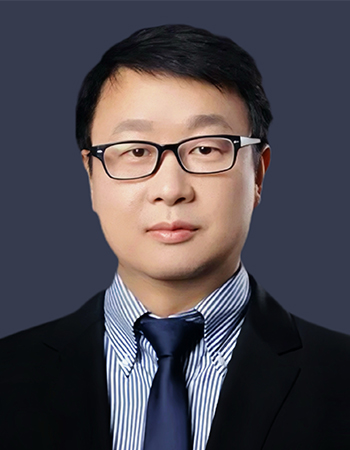
Chief Physician, Dr., Doctoral Supervisor, MD
Neurology
Studied under DR. Zhou Liangfu and Dr. Chen Xiancheng. Deputy Director of Neurosurgery at Huashan Hospital, Fudan University; Director of the Glioma Center at Huashan Hospital; Deputy Director of the Neurosurgery Institute at Fudan University; Director of the Brain Function Laboratory; Head of the iMRI Digital Integrated Neurosurgical Center; Director of the Shanghai Key Laboratory for Clinical Trials and Translation of Brain-Computer Interfaces. Recipient of the Shanghai Municipal Health System Outstandi
Affiliated Hospital
Huashan Hospital Affiliated to Fudan University
→
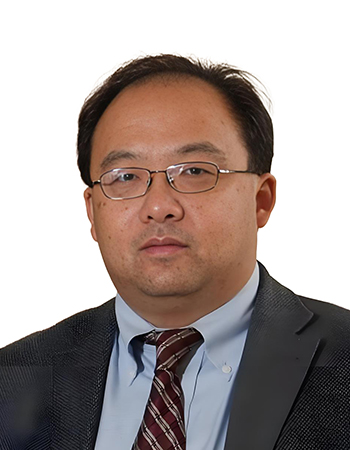
Chief Physician, Dr., and Doctoral Supervisor; Director of the Department of Neurology, Huashan Hospital Affiliated to Fudan University
Neurology
Born in Shanghai, he graduated from the Medical Department of Chongqing Medical College in 1985 and received his Ph.D. in Neurology in 1992 (under the supervision of Dr. Jacob Fu). In 1993, he entered the postdoctoral research station of Clinical Medicine (Neurology) at Shanghai Medical University. In 1995, he joined the Department of Neurology at Huashan Hospital and was promoted to Associate Dr. and Master's Supervisor in the same year. He has received the Shanghai Outstanding Academic Leader Program (2
Affiliated Hospital
Huashan Hospital Affiliated to Fudan University
→
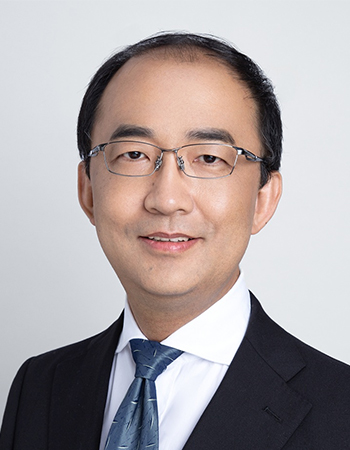
Chief Physician, Dr., and Doctoral Supervisor of the Department of Neurology at Huashan Hospital Affiliated to Fudan University
Neurology
Deputy Director of the Department of Neurology; Director of the Rare Disease Center Working Group; and Vice President of Huashan Hospital. Born in April 1974, Han nationality, joined the workforce in July 2002, and joined the China Democratic National Construction Association in December 2014. He previously served as Vice President of the Jing'an Branch of Huashan Hospital, and in 2018 became Vice President of the Hongqiao Branch of Huashan Hospital. He was appointed Vice President of Huashan Hospital in
Affiliated Hospital
Huashan Hospital Affiliated to Fudan University
→
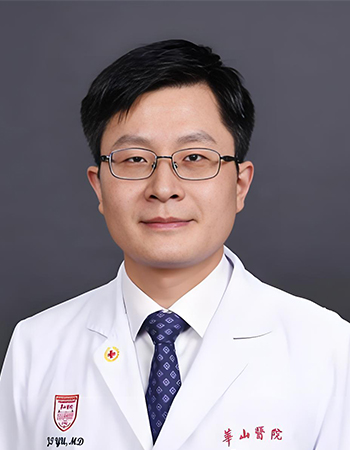
PhD, Dr., Doctoral Supervisor, Chief Physician, Adjunct PI of the Institute of Medical Genetics, Fudan University. MD, Postdoctoral Fellow
Neurology
Deputy Director of the Department of Neurology, Huashan Hospital Affiliated to Fudan University; Executive Deputy Director of the Institute of Neurology, Fudan University. Recipient of the Ministry of Education's 2018 "Changjiang Scholars Program" Young Scholar Award, Fudan University's "Excellent 2025" Talent Cultivation Program Outstanding Talent Award, and Fudan University's "Key Position" Dr.. New Cornerstone Researcher, Xianghui Scholar, recipient of the 4th National Innovation and Pioneering Medal.
Affiliated Hospital
Huashan Hospital Affiliated to Fudan University
→
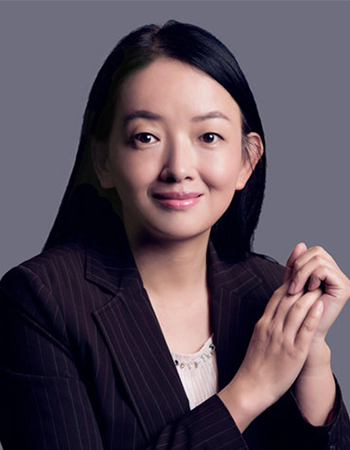
Distinguished Dr., Chief Physician, and Doctoral Supervisor at Fudan University; Dean of the Institute of Human Phenome Research at Fudan University
Neurology
Director of the Center for Global Collaboration Promotion at Fudan University; and Academic Leader of the Nuclear Medicine/PET Center at Huashan Hospital Affiliated to Fudan University. She is a Distinguished Dr. of the "Changjiang Scholars Program" of the Ministry of Education and a recipient of the National Science Fund for Distinguished Young Scholars. She was the first Chinese president of the World Molecular Imaging Society (WMIS) since its inception and is the Vice President of the Chinese Society f
Affiliated Hospital
Huashan Hospital Affiliated to Fudan University
→