
Medical Care in China

Dermatology

It covers common skin diseases, immune skin diseases, infectious skin diseases, and some skin tumors, providing accurate diagnosis and standardized treatment.

Get a Care Plan and Cost Estimate
Comprehensive coverage of skin diseasesincluding inflammation, infection, immune disorders, and tumors.
Accurate differential diagnosiscombines dermoscopy, pathology, and laboratory tests.
Chronic disease managementinvolves long-term management of diseases such as psoriasis and eczema.
Skin repair treatmentfocuses on improving pigmentation, scars, and skin function.

Diagnostic Range

Discover the treatment pathway that's right for you

Select a category to see information on care plans, matching hospitals, specialists, and more.

Melanoma

Disease Introduction Melanoma is a malignant tumor that originates from skin pigment cells (melanocytes). It is highly malignant and prone to early metastasis. However, in recent years, significant progress has been made in immunotherapy and targeted therapy, enabling many patients with advanced-stage melanoma to achieve long-term survival. Cutting-edge high-precision diagnostic and treatment technologies TIL cell therapy : Tumor-infiltrating lymphocytes (TILs) are isolated and expanded from the patient's

Malignant epithelial tumors of the skin

Disease Introduction This is the most common type of malignant skin tumor, including basal cell carcinoma in sun-exposed areas such as the face, squamous cell carcinoma of the skin, and the rare but rapidly progressing Merkel cell carcinoma; most early-stage tumors can be cured by surgical excision, while mid-to-late-stage tumors can be well controlled with immunotherapy. Cutting-edge high-precision diagnostic and treatment technologies Adjuvant Immunotherapy after Squamous Cell Carcinoma Surgery : Cemipl

shingles

Disease Introduction Shingles is a skin disease caused by the reactivation of the varicella-zoster virus, which lies dormant in nerve ganglia. It manifests as clusters of blisters along the nerve on one side of the body and severe burning pain. It is more common in people over 50 years of age and those with weakened immune systems. Long-term neuralgia may remain even after the rash subsides. Cutting-edge high-precision diagnostic and treatment technologies Extended age range for vaccination : The recombin

herpes simplex

Disease Introduction Herpes simplex is a viral skin disease caused by the herpes simplex virus (HSV-1/HSV-2). It often appears as clusters of small blisters on the corners of the mouth, lips, or genitals. It tends to recur when fatigued, when cold, or when the immune system is weakened. There is currently no cure, but proper antiviral treatment can significantly reduce the frequency of flare-ups. Cutting-edge high-precision diagnostic and treatment technologies New drug for drug-resistant HSV : Prilivir (

Acne

Disease Introduction Acne, also known as pimples, is a chronic inflammation of the hair follicles and sebaceous glands. It is related to excessive sebum secretion, proliferation of Propionibacterium acnes, and inflammatory response. It commonly occurs on the face, chest, and back, and manifests as blackheads, red papules, pustules, and even nodules and cysts, which can leave acne marks and pits. Cutting-edge high-precision diagnostic and treatment technologies New topical drug targeting androgens : Clacot

dermatitis

Disease Introduction Atopic dermatitis (commonly known as "eczema") is a chronic, recurrent, itchy inflammatory skin disease characterized by dry skin, erythema, papules, and intense itching, often associated with an allergic constitution. The core of treatment is a "step-by-step" approach: mild cases primarily involve topical medications and moisturizers, while moderate to severe cases may benefit from a combination of biologics or oral targeted therapies. Most patients can achieve long-term control. Cut

Alopecia areata

Disease Introduction Alopecia areata, commonly known as "spot baldness," is an autoimmune, non-scarring hair loss characterized by the sudden appearance of round/oval bald patches on the scalp. In severe cases, it can progress to total or diffuse alopecia and is often associated with mental stress, genetics, and immune disorders. Treatment has evolved from topical medications/injections to oral targeted therapies, with moderate to severe cases achieving near-complete hair regrowth through JAK inhibitors.

Leading Specialists

Trusted Expertise Across Leading Specialties

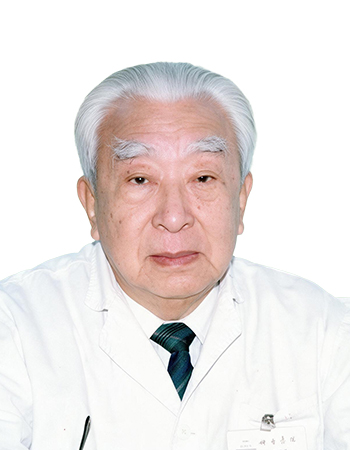
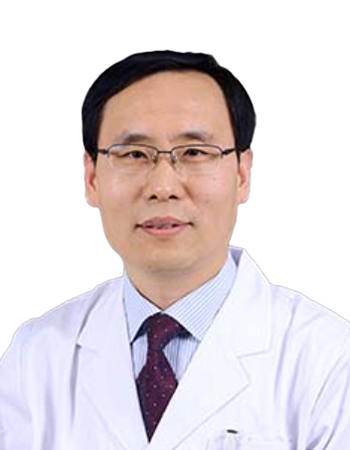
Zhu Zhonggang

First department head, tenured professor

Dermatology

Research area : Prevention and research of occupational skin diseases. Cutting-edge technologies: research on asphalt toxicity, prevention and treatment of rice paddy dermatitis, prevention and treatment of oil paint dermatitis; research and development of industrial protective creams. Academic Highlights: One of the founders of modern dermatology in China; received the first national-level scientific research achievement award from Ruijin Hospital after the founding of New China in 1954; formulated the n

Ruijin Hospital Affiliated to Shanghai Jiao Tong University School of Medicine logo Affiliated Hospital Ruijin Hospital Affiliated to Shanghai Jiao Tong University School of Medicine
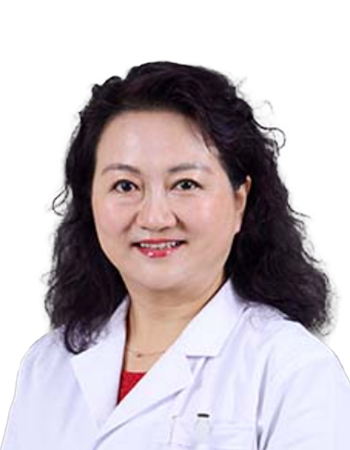
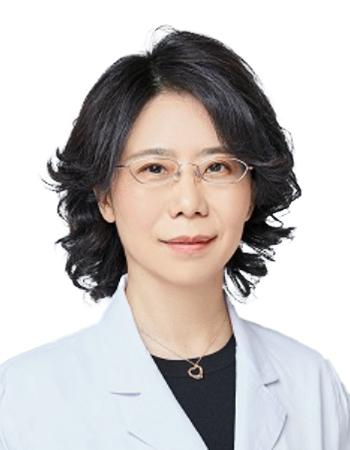
Sun Qiuning

Professor , specializing in cosmetic dermatology and immune skin diseases

Dermatology

Research areas: Facial cosmetic-related dermatology, minimally invasive facial rejuvenation treatments, and autoimmune and infectious skin diseases. Cutting-edge technology: Proficient in minimally invasive cosmetic treatments such as Botox injections, hyaluronic acid fillers, and laser therapy; specializing in the diagnosis and treatment of autoimmune skin diseases such as scleroderma and psoriasis. Completed two years of postdoctoral research at the University of Texas. Specializes in: facial cosmetic d

Peking Union Medical College Hospital, Chinese Academy of Medical Sciences logo Affiliated Hospital Peking Union Medical College Hospital, Chinese Academy of Medical Sciences
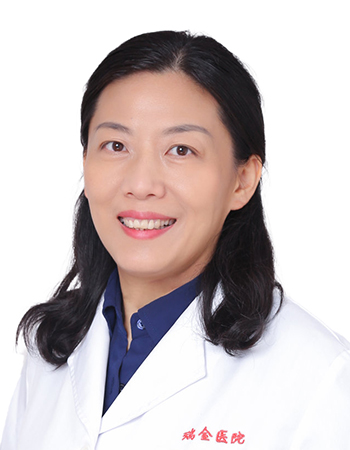
Zuo Yagang

Professor , specializing in bullous skin diseases and laser cosmetic procedures

Dermatology

Research areas: Diagnosis and treatment of bullous skin diseases, psoriasis, vitiligo, and cosmetic laser therapy. Cutting-edge technology: Focusing on the clinical characteristics of bullous pemphigoid induced by immune checkpoint inhibitors, and leading the development of the "Expert Consensus on the Diagnosis and Treatment of Bullous Pemphigoid (2025 Edition)". Extensive clinical experience has been accumulated in the fields of autoimmune bullous diseases and laser cosmetic procedures. Specializes in t

Peking Union Medical College Hospital, Chinese Academy of Medical Sciences logo Affiliated Hospital Peking Union Medical College Hospital, Chinese Academy of Medical Sciences
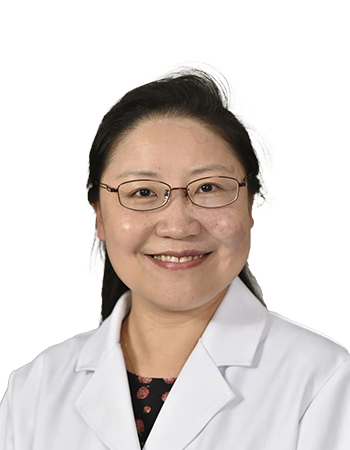
Liu Jie

Professor , specializing in dermatological imaging and skin tumors

Dermatology

Research areas: Diagnosis and treatment of skin tumors, lymphomas, acne, and other diseases; dermoscopy and skin imaging diagnosis. Cutting-edge technology: Chief editor of "Peking Union Medical College Hospital Dermatoscopy Atlas" and "Immersive Dermatoscopy: Peking Union Medical College Hospital Dermatoscopy Learning Notes," and author of 4 consensus statements on skin imaging. Promoting the standardized application and widespread use of dermatoscopy techniques in clinical practice. Specializes in: skin

Peking Union Medical College Hospital, Chinese Academy of Medical Sciences logo Affiliated Hospital Peking Union Medical College Hospital, Chinese Academy of Medical Sciences
Pan Meng

Chief Physician, Professor, Doctoral Supervisor, Director of Dermatology

Dermatology

- Research areas : Pathogenesis of bullous skin diseases (pemphigoid, bullous pemphigoid) and autoimmune skin diseases. - Cutting-edge technologies: dynamic monitoring of pemphigus autoantibodies; rituximab and novel biological agents for the treatment of refractory pemphigus. - Diseases specializing in: pemphigus vulgaris, bullous pemphigoid, IgA bullous disease, and other autoimmune herpes diseases. - Academic Highlights: Deputy Head of the Experimental Group of the Dermatology and Venereology Branch of

Ruijin Hospital Affiliated to Shanghai Jiao Tong University School of Medicine logo Affiliated Hospital Ruijin Hospital Affiliated to Shanghai Jiao Tong University School of Medicine
Cao Hua

Associate Chief Physician, Doctoral Supervisor

Dermatology

-Research areas : Dermatomyositis, connective tissue disease-related skin diseases, severe inflammatory skin diseases. - Cutting-edge technologies: Detection of autoantibody profiles for dermatomyositis; MDT combined intervention for dermatomyositis and interstitial lung disease. - Areas of expertise: Dermatomyositis, skin lesions of systemic lupus erythematosus, scleroderma, severe drug eruption. - Academic Highlights: Key member of the department's critical connective tissue disease subspecialty, partic

Ruijin Hospital Affiliated to Shanghai Jiao Tong University School of Medicine logo Affiliated Hospital Ruijin Hospital Affiliated to Shanghai Jiao Tong University School of Medicine

Frequently Asked Questions

Dermatology FAQs

Learn about clinical review, record preparation and arrangements for care in China.

Talk to Our Care Team →
Can chronic eczema be treated?

Yes, the disease can be controlled by identifying the triggers, using medication as prescribed, and long-term management.

Can psoriasis be cured?

Currently, most treatments aim to control and reduce recurrence in the long term, rather than guaranteeing a permanent cure.

Can vitiligo be treated?

Treatment options include medication and phototherapy, depending on the course of the disease and the condition of the skin lesions.

Why does chronic urticaria recur?

The causes are complex and require evaluation based on medical history and relevant examinations.

Can postherpetic neuralgia be treated?

Yes, it can be treated with medication and comprehensive pain management.

Does a skin mass need to be removed?

Whether or not to remove it depends on the nature, size, and pathological risks of the mass.

Can basal cell carcinoma be treated?

Treatment options, such as surgery, can be chosen depending on the location and extent of the tumor.

Can melasma be improved?

It can be improved through a combination of etiological management, medication, and related skin treatments.

Can I see photos of my skin remotely beforehand?

A preliminary consultation is possible, but many skin conditions still require a face-to-face consultation and necessary examinations.

Can I have a remote follow-up after treatment?

Remote follow-up is possible for some chronic skin diseases.