Medical Care in China

Rare & Complex Diseases

Through multidisciplinary collaboration and precise testing, we can find clearer diagnostic and treatment pathways for long-term undiagnosed, complex, critical, and rare diseases.

Get a Care Plan and Cost Estimate
Multidisciplinary consultationsinvolving joint analysis of complex cases by different specialties.
Accurately identify the cause of the diseaseby combining imaging, laboratory and genetic testing.
Tackling complex casesFocusing on Relapsed, Refractory, and Poorly Treated Cases.
Personalized plans aredeveloped based on the patient's actual condition to create a treatment pathway.

Diagnostic Range

Discover the treatment pathway that's right for you

Select a category to see information on care plans, matching hospitals, specialists, and more.

Myasthenia gravis (ocular type, generalized type)

Disease Introduction Myasthenia gravis is an autoimmune disease characterized by impaired neuromuscular junction transmission. Patients produce antibodies that attack the neuromuscular junction, leading to muscle fatigue and weakness. Typical symptoms include drooping eyelids, double vision, difficulty chewing and swallowing, and weakness in the limbs, which worsen with activity and improve with rest, and are more severe in the evening than in the morning. Most cases are ocular myasthenia gravis, but some

Myelitis spectrum disorders (neuromyelitis optica spectrum disorder NMOSD, etc.)

Disease Introduction Neuromyelitis spectrum optica disorder (NMOSD) is a rare autoimmune disease of the central nervous system, often caused by the production of anti-aquaporin 4 antibodies (AQP4-IgG) that mistakenly attack the optic nerve and spinal cord. Symptoms include decreased vision, numbness and weakness in the limbs, hiccups and vomiting, and bowel and bladder dysfunction. Recurrent attacks can lead to blindness or paralysis. The disease is more common in young adult women; early diagnosis and tr

Scleroderma (systemic sclerosis)

Disease Introduction Scleroderma, medically known as systemic sclerosis, is an autoimmune disease in which the immune system mistakenly attacks the skin and internal organs, causing the skin to gradually thicken, harden, and tighten. It can also affect the lungs, heart, digestive tract, and blood vessels. Early symptoms often include Raynaud's phenomenon, where the fingers turn white or purple when exposed to cold. With proper treatment, fibrosis can be slowed and vital organs can be protected. Cutting-ed

Amyotrophic Lateral Sclerosis (ALS)

Disease Introduction Amyotrophic lateral sclerosis (ALS), commonly known as Lou Gehrig's disease, is a neurodegenerative disease characterized by the progressive degeneration of upper and lower motor neurons that control voluntary movement. Patients experience weakness in the limbs, muscle atrophy, and difficulty swallowing and breathing, but their consciousness, thinking, and sensation are usually clear. Most patients die from respiratory failure within 3-5 years of onset, but there is significant indivi

Systemic lupus erythematosus (SLE)

Disease Introduction Systemic lupus erythematosus (SLE) is a chronic autoimmune disease that commonly affects women of childbearing age. The immune system mistakenly attacks its own organs, including the skin, joints, kidneys, blood, and nervous system, manifesting as facial erythema, recurrent fever, joint pain, fatigue, and proteinuria. The condition fluctuates in severity and is prone to relapse. With advancements in biologics and immunotherapy, most patients can achieve long-term disease control and m

Leading Specialists

Trusted Expertise Across Leading Specialties

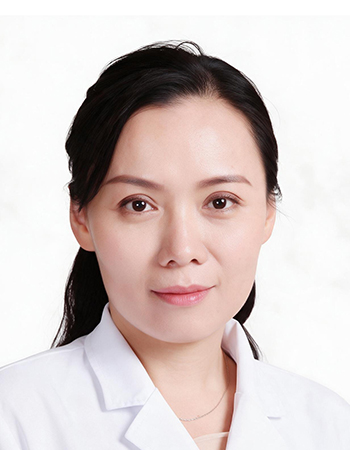
Wanping

Associate Chief Physician, Liver Surgery Expert at Renji Hospital.

Rare & Complex Diseases

Research Areas : Pediatric liver transplantation, Kasai procedure for biliary atresia, and complex liver tumor resection, among other pediatric liver surgeries. Cutting-Edge Techniques: Proficient in the surgical treatment of pediatric liver diseases such as biliary atresia, inherited metabolic diseases, cholestasis, and hepatoblastoma, having treated over 1700 cases of various pediatric liver diseases and rare diseases; as a core member of the team, systematically conducting liver transplantation surgery

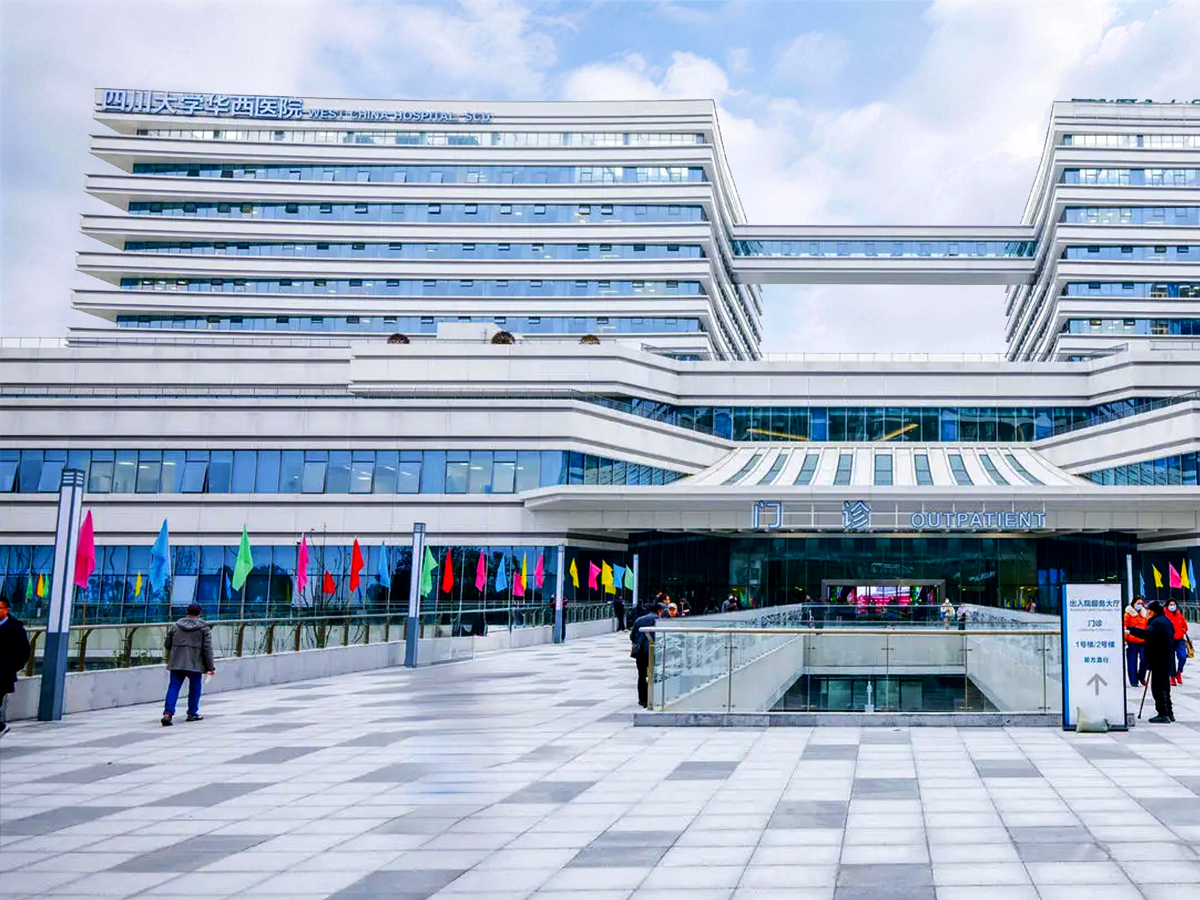
West China Hospital of Sichuan University logo Affiliated Hospital West China Hospital of Sichuan University
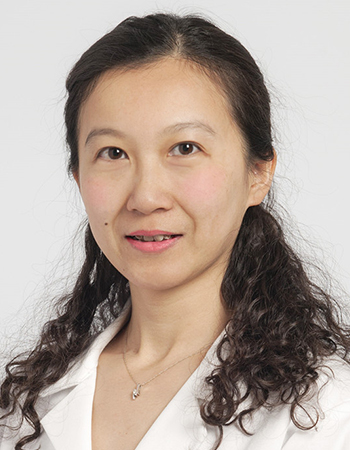
Wu Yu

Chief Physician, Doctoral Supervisor, specializing in rare hematological diseases

Rare & Complex Diseases

Research areas : rare hematological diseases, hereditary hemolytic diseases, systemic amyloidosis - Cutting-edge technologies: Stratified treatment for systemic amyloidosis, molecular diagnostics for complex hematological and rare diseases. - Areas of expertise: Systemic AL amyloidosis, paroxysmal nocturnal hemoglobinuria, hereditary platelet disorders - Academic Highlights: Core expert in multidisciplinary diagnosis and treatment of amyloidosis in China; Core Value: Establishment of individualized drug a

West China Hospital of Sichuan University logo Affiliated Hospital West China Hospital of Sichuan University
Zhang Shuyang

President of Peking Union Medical College Hospital, and concurrently Vice President of the Chinese Academy of Medical Sciences and Peking Union Medical College; Chief Physician, Dr., and Doctoral Supervisor

Rare & Complex Diseases

Deputy Director of the State Key Laboratory of Rare and Complex Diseases; National Health Commission Outstanding Young and Middle-aged Expert, State Council Special Government Allowance Expert, and Changjiang Scholar Dr. appointed by the Ministry of Education. Currently serves as Chairman of the Rare Diseases Branch of the Chinese Medical Association, Chairman of the Rare Disease Diagnosis and Treatment and Guarantee Committee of the National Health Commission, Director of the National Rare Disease Qualit

Peking Union Medical College Hospital, Chinese Academy of Medical Sciences logo Affiliated Hospital Peking Union Medical College Hospital, Chinese Academy of Medical Sciences
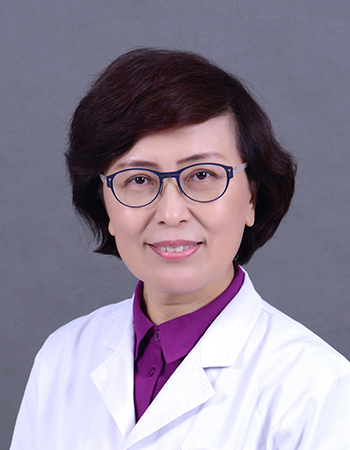
Shen Min

Doctor of Medicine, Director of the Department of Rare Diseases, Chief Physician of Rheumatology and Immunology, Dr., and Doctoral Supervisor at Peking Union Medical College Hospital.

Rare & Complex DiseasesInternal Medicine

Visiting Scholar at the University of California, San Francisco, and Visiting Researcher in Rheumatology and Immunology at the Cleveland Clinic. Editorial Board Member of the *Chinese Journal of Clinical Immunology and Allergy*, *Chinese Journal of General Practitioners*, and *Peking Union Medical College Journal*. Vice Chairman of the Immunodeficiency Monitoring and Translation Professional Committee of the China Association for the Promotion of Human Health Science and Technology; Standing Committee Mem

Peking Union Medical College Hospital, Chinese Academy of Medical Sciences logo Affiliated Hospital Peking Union Medical College Hospital, Chinese Academy of Medical Sciences
Zhang Guojun

Chief Physician, Dr., and Doctoral Supervisor. Currently serves as Director of the Neurology Center, Epilepsy Center, Rare Disease Center, and Neurological Diseases and Cognitive Research Laboratory at the National Children's Medical Center and Beijing Children's Hospital, Capital Medical University.

NeurologyRare & Complex Diseases

Has extensive clinical experience in the surgical treatment of functional neurosurgical diseases, especially refractory epilepsy, and has long been engaged in research on the pathogenesis and intervention strategies of epilepsy and cognitive developmental disorders. Graduated from the Department of Medicine, Hebei Medical University in 1989, and received a Ph.D. in Surgery (Neurosurgery) from Capital Medical University in 2003. Has undertaken more than ten national and provincial-level research projects a

Beijing Children's Hospital (School of Pediatrics, National Children's Medical Center), Capital Medical University logo Affiliated Hospital Beijing Children's Hospital (School of Pediatrics, National Children's Medical Center), Capital Medical University

Patient Stories

See the Next Step Through Patient Journeys

Adult Still's Disease : The End of 120 Days of CASE 01
PATIENT JOURNEY

Adult Still's Disease : The End of 120 Days of "Unexplained High Fever": How a British Pilot Regains His Career in China

Rare & Complex Diseases

Patient records Name: James (pseudonym) Age: 35 Nationality: British Diagnosis: Adult-onset Still's disease (AOSD), characterized by a triad of high fever, rash, and arthritis, accompanied by severe ferritinemia. Treatment Hospital: Department of Rheumatology and Immunology, Ruijin Hospital Affiliated to Shanghai Jiao Tong University School of Medicine For a pilot, any undiagnosed illness means the end of his career. James' nightmare began with what seemed like a common cold, but turned into a 120-day ord

View case details →
IgG4-related disease (involving the pancreas, submandibular gland, and retroperitoneal lymph nodes) - Two years shrouded in CASE 02
PATIENT JOURNEY

IgG4-related disease (involving the pancreas, submandibular gland, and retroperitoneal lymph nodes) - Two years shrouded in "tumor": How a Canadian patient overturned a wrong diagnosis in China.

Rare & Complex Diseases

Patient records Name: Margaret (pseudonym) Age: 61 Nationality: Canadian Diagnosis: IgG4-related disease (involving the pancreas, submandibular gland, and retroperitoneal lymph nodes), previously misdiagnosed as pancreatic cancer. Treatment Hospital: Department of Rheumatology and Immunology, Peking Union Medical College Hospital Case Theme: In the world of intractable diseases, the most agonizing part is often not the treatment itself, but the journey further and further down the path of treatment with a

View case details →

Frequently Asked Questions

Rare & Complex Diseases FAQs

Learn about clinical review, record preparation and arrangements for care in China.

Talk to Our Care Team →
Can I come to China for examination if I have a disease that cannot be diagnosed for a long time?

Can I come to China for examination if I have a disease that cannot be diagnosed for a long time?

What if multiple countries do not have a clear diagnosis?

Consider a multidisciplinary consultation to re-examine the diagnostic clues from different specialist perspectives.

Can genetic testing be done for rare diseases?

Genetic testing can help identify the causes of some diseases.

Can severe β-thalassemia be treated?

A professional assessment is needed, taking into account factors such as age, condition, and donor availability.

Are there any treatment options for relapsed/refractory leukemia?

Some patients may be evaluated for hematopoietic stem cell transplantation, cell therapy, and other options.

Can patients with severe necrotizing pancreatitis be treated in China?

A professional assessment can be conducted based on the patient's condition and stability.

A professional assessment can be conducted based on the patient's condition and stability.

Yes, they can be treated collaboratively by surgical, infectious disease, critical care, and radiology teams.

Yes, they can be treated collaboratively by surgical, infectious disease, critical care, and radiology teams.

A comprehensive evaluation is needed based on previous surgeries and the current condition of the disease.

Does the patient need to come to China first?

Many cases can be assessed remotely first.

Can treatment for complex diseases guarantee a cure?

No, it cannot be guaranteed. The effectiveness of treatment for complex diseases depends on the disease itself and the patient's specific condition.