Medical Care in China

Cardio-Cerebrovascular

Integrating cardiovascular medicine, surgery, and interventional therapy, it provides comprehensive diagnosis and treatment for heart, major blood vessel, and related critical illnesses.

Get a Care Plan and Cost Estimate
Internal-surgical collaboration‌Comprehensive selection of medical, surgical, and interventional treatments.
Complex heart diseasescover coronary artery disease, valvular heart disease, and structural heart disease.
Major vessel diagnosis and treatmentinvolves professional assessment of diseases of the aorta and other major blood vessels.
Severe Illness Treatment SupportPossesses comprehensive treatment capabilities for cardiovascular critical illnesses.

Diagnostic Range

Discover the treatment pathway that's right for you

Select a category to see information on care plans, matching hospitals, specialists, and more.

Heart failure

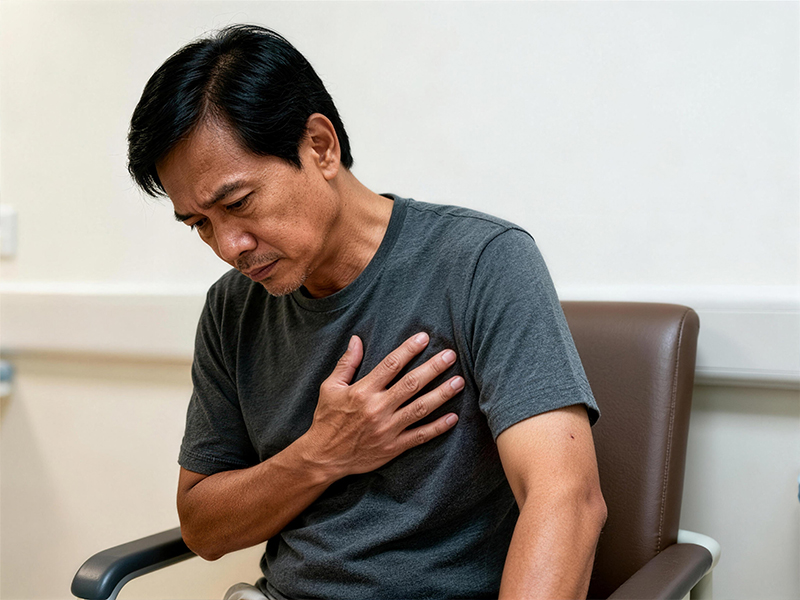
Disease Introduction Heart failure, commonly known as angina, is a clinical syndrome characterized by a decline in the heart's pumping function, resulting in an inability to meet the body's blood supply needs. Typical symptoms include shortness of breath after exertion, nocturnal awakening with dyspnea, lower extremity edema, and fatigue. The general principle of treatment is to start medication as early and in a standardized manner to reduce the burden on the heart, based on the "new quadruple therapy" o

arrhythmia

Disease Introduction Cardiac arrhythmias are abnormalities in the rhythm or rate of the heartbeat, commonly including atrial fibrillation, premature beats, bradycardia, and conduction block. In atrial fibrillation, the atria fibrillate erratically, making it easier for blood clots to form in the left atrial appendage; if these clots break off, they can cause a stroke. Slow conduction can cause dizziness, blurred vision, or even syncope. The general principles of treatment are to manage the rhythm, prevent

Coronary heart disease

Disease Introduction Coronary artery disease (CAD) is a condition caused by atherosclerosis of the coronary arteries, leading to narrowing or blockage of the lumen and insufficient blood supply to the myocardium. Typical symptoms include chest tightness and pain (angina) after exertion. Plaque rupture and thrombus formation can trigger acute myocardial infarction. The general principles of treatment are to open the blood vessels, stabilize the plaques, and control lipids in the long term: mild cases requi

heart disease

Disease Introduction Here, "heart disease" is a broad term, referring to the comprehensive management of organic heart disease and common cardiovascular diseases, including hypertensive heart disease, coronary heart disease, valvular heart disease, cardiomyopathy, and heart failure. Patients often present with chest tightness, chest pain, palpitations, shortness of breath, and decreased exercise tolerance. The general principles of treatment are early screening and diagnosis, standardized control of risk

Pulmonary vascular disease

Disease Introduction Pulmonary vascular disease mainly refers to pulmonary arterial hypertension (PAH) and chronic thromboembolic pulmonary hypertension (CTEPH), which are diseases characterized by narrowing of pulmonary vessels, abnormally high pulmonary circulation pressure, and progressively increasing burden on the right heart. Typical symptoms include shortness of breath, fatigue, and cyanosis of the lips after exertion; in advanced stages, it can lead to right heart failure. The general principle of

Large vessel disease

Disease Introduction Major vascular diseases, including aortic dissection and aortic aneurysm, are critical conditions involving tearing or bulging of the aortic wall. Typical symptoms include sudden, sharp, stabbing chest, back, or abdominal pain. Rupture of these conditions carries an extremely high mortality rate and often requires emergency treatment. The general principle of treatment is to control blood pressure and heart rate as quickly as possible, selecting minimally invasive endovascular repair

Heart valve disease

Disease Introduction Heart valve disease is a condition where the valves either fail to close properly (regurgitation) or fail to open properly (stenosis), leading to abnormal blood flow and increased workload on the heart. The most common causes are aortic stenosis and mitral and tricuspid regurgitation. Typical symptoms include chest tightness, shortness of breath, difficulty breathing after exertion, and lower extremity edema. The general principle of treatment is early detection and assessment, with t

Mitral regurgitation

Disease Introduction Mitral regurgitation is an incomplete closure of the "valve" between the left atrium and left ventricle, causing blood to flow back into the atrium during cardiac contraction. Early symptoms may be asymptomatic, gradually progressing to shortness of breath on exertion, chest tightness, nocturnal awakenings with dyspnea, leg swelling, and fatigue. It is classified into primary (due to valvular disease itself) and secondary (due to cardiac enlargement or atrial fibrillation causing valv

Mitral valve repair

Disease Introduction Mitral valve repair is a type of cardiac surgery or interventional technique that "fixes the valve rather than replaces it." It addresses regurgitation caused by mitral valve prolapse, chordae tendineae rupture, or annular dilatation. By trimming the excessively long leaflets, loosening the annulus, and suturing or implanting artificial chordae tendineae, the valve is restored to a tight seal. It can be performed surgically via open-chest, thoracoscopic, or robotic approaches, or via

Large vessel disease

Disease Introduction Major vascular diseases, including aortic dissection and aortic aneurysm, are critical conditions involving tearing or bulging of the aortic wall. Typical symptoms include sudden, sharp, stabbing chest, back, or abdominal pain. Rupture of these conditions carries an extremely high mortality rate and often requires emergency treatment. The general principle of treatment is to control blood pressure and heart rate as quickly as possible, selecting minimally invasive endovascular repair

Leading Specialists

Trusted Expertise Across Leading Specialties

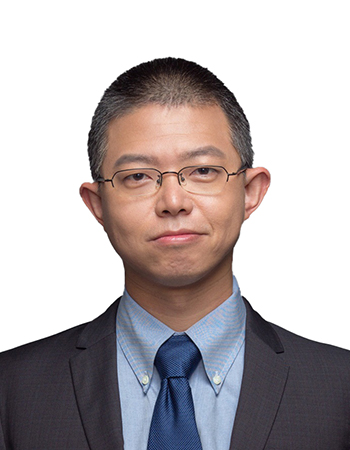
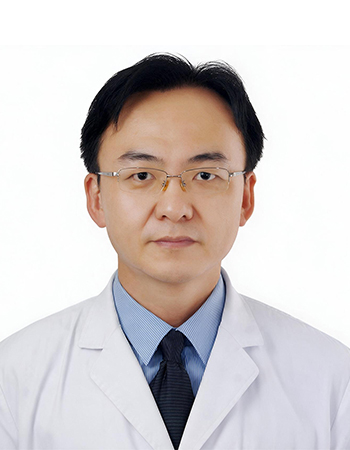
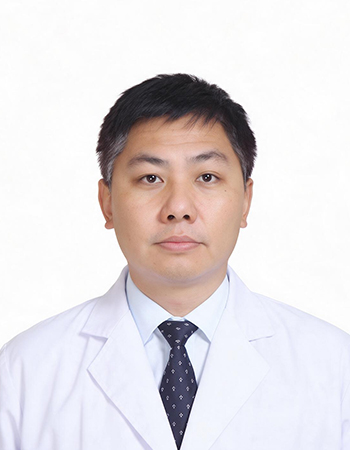
He Yong

Deputy Director of Cardiology, Head of Coronary Artery Disease Group, Chief Physician

Cardio-Cerebrovascular

Research areas : interventional treatment of complex and high-risk coronary arteries; intravascular coronary imaging (IVUS); chronic occlusive disease (CTO). Cutting-edge technologies: The first complex high-risk PCI in China supported by a domestically produced transcatheter left ventricular pump assist device; the first in Southwest China to carry out complex coronary interventions and high-speed rotational atherectomy under intravascular ultrasound guidance; CTO retrograde interventional treatment and
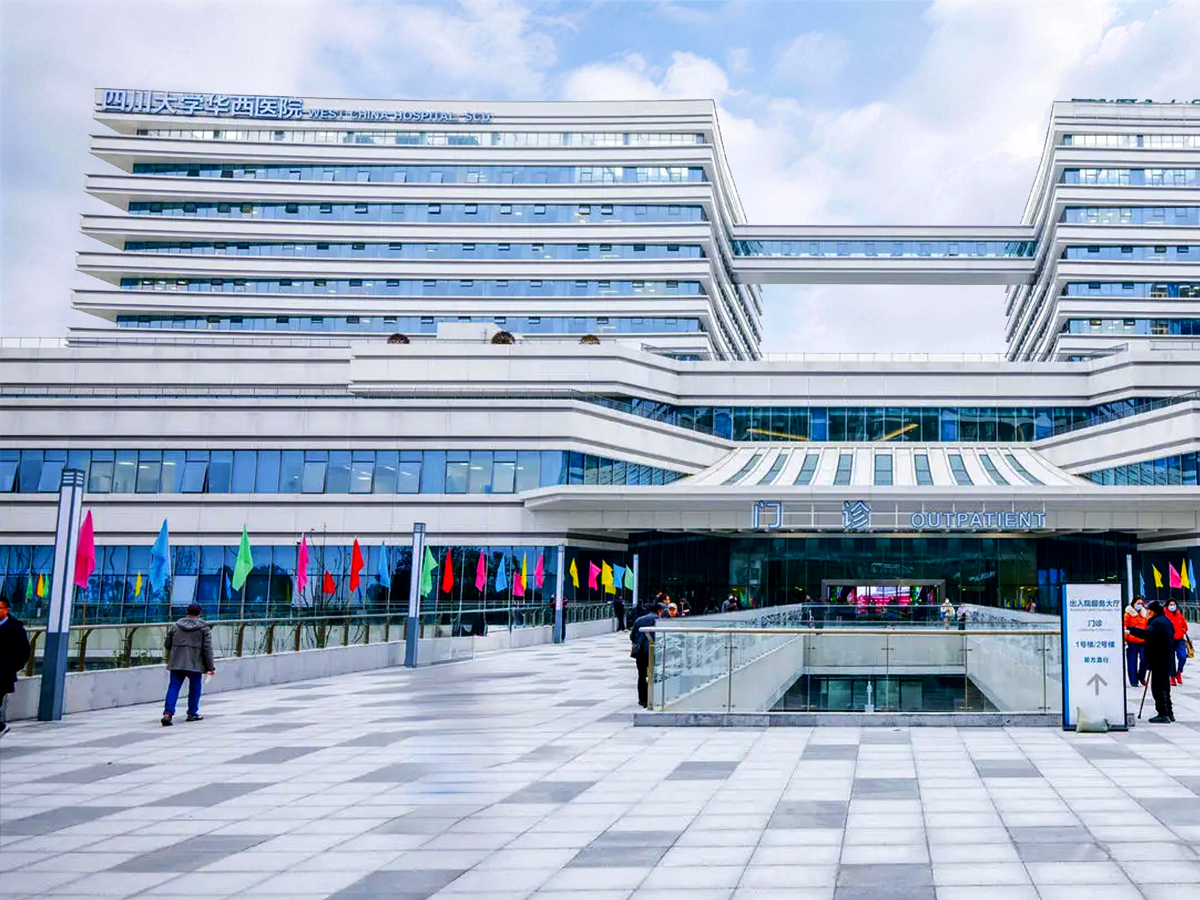
West China Hospital of Sichuan University logo Affiliated Hospital West China Hospital of Sichuan University
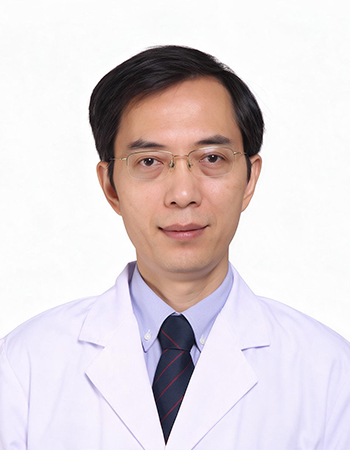
Fu Hua

Chief Physician, Doctoral Supervisor | Head of the Arrhythmia Subspecialty Group

Cardio-Cerebrovascular

Research areas: atrial fibrillation, ventricular arrhythmias, complex tachyarrhythmias; Cutting-edge technologies: 3D mapping radiofrequency ablation, pulsed electric field ablation, one-stop surgery for atrial fibrillation (ablation + left atrial appendage occlusion); Academic Highlights: Deputy Head of the Left Atrial Appendage Occlusion Group of the Chinese Society of Cardiac Electrophysiology and Pacing; specializes in ablation of ventricular tachycardia in organic heart disease, has presided over mul

West China Hospital of Sichuan University logo Affiliated Hospital West China Hospital of Sichuan University
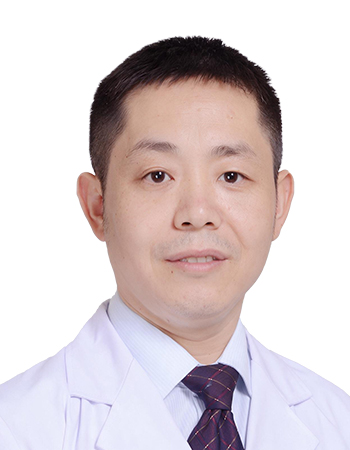
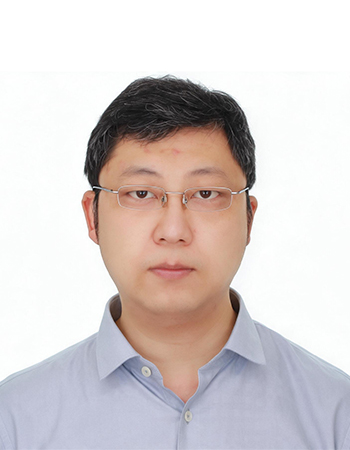
Song Lei

Deputy Director of the Coronary Artery Disease Center, specializing in intravascular imaging and QFR

Cardio-Cerebrovascular

Research areas: Coronary artery disease and complex coronary interventional treatment, intravascular imaging and physiology of the coronary arteries. Cutting-edge technology: Co-first author of the FAVOR III China study published in *The Lancet* (impact factor 207), confirming that QFR-guided coronary intervention can significantly improve prognosis. Invited by *The Lancet* as the sole author from China to participate in writing a major global report on "Ischemic Heart Disease". Drafted the National Healt
Fuwai Hospital, Chinese Academy of Medical Sciences logo Affiliated Hospital Fuwai Hospital, Chinese Academy of Medical Sciences
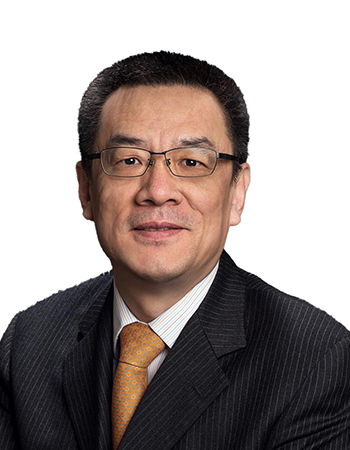
Angie

Professor, Doctoral Supervisor, Department Head

Cardio-Cerebrovascular

- Research areas: Congenital heart disease surgery, heart transplantation, end-stage heart failure surgery; - Core technologies: Complex congenital heart disease correction in infants and young children, heart transplantation; - Areas of expertise: Various complex congenital heart diseases, dilated cardiomyopathy, and end-stage heart failure; - Academic Value: President of the Cardiovascular Surgery Branch of the Sichuan Provincial Medical Association, Standing Committee Member of the Congenital Heart Dis

West China Hospital of Sichuan University logo Affiliated Hospital West China Hospital of Sichuan University
Wu Zhong

Professor, Doctoral Supervisor, Deputy Director of Department (Academic Leader of the Coronary Artery Surgery and Chronic Pulmonary Embolism Surgery Subspecialty)

Cardio-Cerebrovascular

- Research areas: aortic disease, chronic thromboembolic pulmonary hypertension; coronary artery bypass grafting for coronary heart disease; surgical treatment of chronic thromboembolic pulmonary hypertension (CTEPH); valvular heart disease, aortic aneurysm, chronic atrial fibrillation. - Core technologies: Sun's procedure for aortic dissection, coronary artery bypass grafting; pulmonary endarterectomy (PEA) - first to be routinely performed in Southwest China, filling the technological gap in West China

West China Hospital of Sichuan University logo Affiliated Hospital West China Hospital of Sichuan University
Sun Xiaogang

Aortic Surgery and Neuroprotection

Cardio-Cerebrovascular

Research areas: Surgical clinical and basic research on aortic diseases, with a focus on treatment systems for the root of type A aortic dissection, repair strategies for bicuspid aortic valve malformation, and new paradigms for the treatment of the neurological system in aortic arch surgery. Cutting-edge technology: In 2017, the institute pioneered the application of aortic balloon occlusion technology to total aortic arch replacement and stent elephant trunk surgery, shortening the deep hypothermic circ

Fuwai Hospital, Chinese Academy of Medical Sciences logo Affiliated Hospital Fuwai Hospital, Chinese Academy of Medical Sciences

Patient Stories

See the Next Step Through Patient Journeys

Lower Extremity Arteriosclerosis Obliterans - A Masterpiece for Unblocking the CASE 01
PATIENT JOURNEY

Lower Extremity Arteriosclerosis Obliterans - A Masterpiece for Unblocking the "Silent Killer"

HematologyCardio-Cerebrovascular

Patient records Name: Carlos Silva Age: 70 Nationality: Brazil (São Paulo) Diagnosis: Lower extremity arteriosclerosis obliterans (Rutherford grade 4, long segment occlusion of the left superficial femoral artery, rest pain) Treatment Hospital: Department of Vascular Surgery, Ruijin Hospital Affiliated to Shanghai Jiao Tong University School of Medicine Mr. Carlos is a passionate samba dancer who, even in his seventies, still enjoys swaying to the music on the streets of Rio. However, for the past six mo

View case details →
Severe Stenosis of the M1 Segment of the Right Middle Cerebral Artery - Reconstructing the Brain's CASE 02
PATIENT JOURNEY

Severe Stenosis of the M1 Segment of the Right Middle Cerebral Artery - Reconstructing the Brain's "Bridge of Life"

Cardio-Cerebrovascular

Patient records Name: Emily Brown Age: 42 Nationality: British (London) Diagnosis: Severe stenosis (90%) in the M1 segment of the right middle cerebral artery, recurrent transient ischemic attacks (TIAs). Treatment Hospital: Xuanwu Hospital, Capital Medical University—Department of Neurosurgery/Interventional Radiology Emily is a financial analyst in London, her world a tapestry of precise numbers and rapid decision-making. However, starting a year ago, her brain began to frequently "malfunction." She wo

View case details →
Acute Stanford Type A Aortic Dissection - Defused a CASE 03
PATIENT JOURNEY

Acute Stanford Type A Aortic Dissection - Defused a "Time Bomb" Inside the Body

Cardio-Cerebrovascular

Patient records Name: David Chen Age: 52 Nationality: Vietnamese Diagnosis: Acute Stanford type A aortic dissection (DeBakey type I, involving the ascending aorta, aortic arch, and descending aorta, complicated by severe aortic regurgitation) Treatment Hospital: Fuwai Hospital, Chinese Academy of Medical Sciences (National Center for Cardiovascular Diseases) — Vascular Surgery Center David now jogs 5 kilometers along the Vancouver beach every morning. He says that with each heartbeat, he feels grateful t

View case details →

Frequently Asked Questions

Cardio-Cerebrovascular FAQs

Learn about clinical review, record preparation and arrangements for care in China.

Talk to Our Care Team →
Can patients with severe coronary heart disease come to China for treatment?

Treatment plans can be evaluated based on data such as coronary angiography.

Does coronary artery disease always require a stent?

Not necessarily. The treatment method depends on the degree of coronary artery disease and the patient's overall condition.

Can valvular heart disease be treated with minimally invasive procedures?

Some patients may be evaluated for interventional or minimally invasive treatment.

Can atrial fibrillation be treated?

Treatment options such as medication and ablation can be evaluated based on the type of atrial fibrillation and the patient's condition.

Can heart failure be managed comprehensively?

Yes, it can be managed comprehensively through medication, devices, rehabilitation, and necessary interventions or surgeries.

Is aortic disease an emergency?

Some aortic diseases are acute and critical, requiring immediate medical attention.

Can complex congenital heart disease be treated?

A professional assessment can be conducted based on the specific type of malformation and the patient's age.

Is rehabilitation necessary after cardiovascular surgery?

Yes, cardiac rehabilitation and recovery of exercise capacity are required depending on the individual's condition.

Can I view my cardiac examination data remotely in advance?

You can submit data such as electrocardiogram, ultrasound, coronary CTA or angiography for preliminary evaluation.

Can I have a follow-up consultation remotely after treatment?

Yes, we can arrange follow-up remotely depending on the patient's condition.