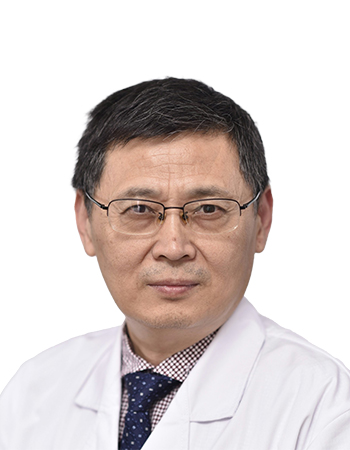
Chief Physician, Doctoral Supervisor, Department Director
Internal Medicine
-Research areas : antiphospholipid syndrome, systemic lupus erythematosus, adult-onset Still's disease, autoimmune disease-related thrombosis. - Cutting-edge technologies: Construction of APS risk stratification model; Mining of AOSD susceptibility genes and biomarkers; Co-management system for immune thrombosis and pregnancy-related rheumatism. - Areas of expertise: Systemic lupus erythematosus, antiphospholipid syndrome, adult-onset Still's disease, rheumatoid arthritis, and complex rheumatic diseases w
 Affiliated Hospital
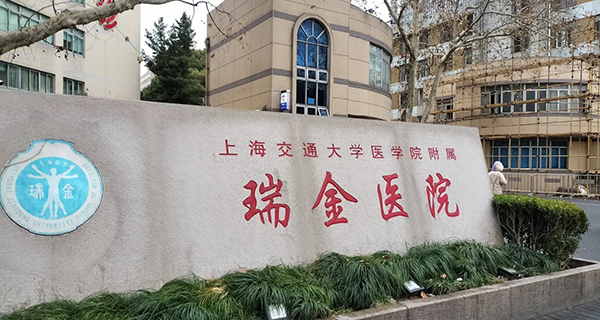
Ruijin Hospital Affiliated to Shanghai Jiao Tong University School of Medicine
→
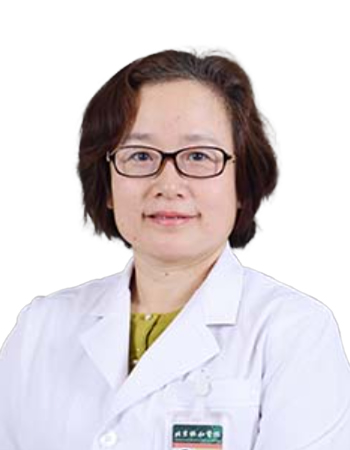
Infection and Evidence-Based Medicine in Immunocompromised Populations
Internal Medicine
Research areas: Diagnosis and differential diagnosis of febrile diseases, diagnosis and treatment of various infectious diseases (especially hepatitis, tuberculosis, and complicated infections), and selection and application of antibacterial drugs. Cutting-edge technology: Pioneered the focus in China on the high risk of tuberculosis in patients with rheumatic and immunological diseases, leading a multicenter cross-sectional study investigating the prevalence of active tuberculosis in Chinese patients wit
 Affiliated Hospital
Peking Union Medical College Hospital, Chinese Academy of Medical Sciences
→
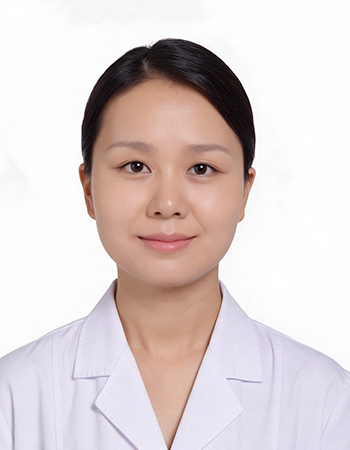
Infectious Disease Center Experts
Internal Medicine
Research areas : various types of acute and chronic hepatitis , central nervous system infections, respiratory tract infections, bloodstream infections, skin and soft tissue infections; rational use of antimicrobial drugs; drug-resistant bacterial infections; fever pending diagnosis. Areas of expertise: various liver diseases, central nervous system infections, respiratory tract infections, digestive tract infections, urinary tract infections, bloodstream infections, skin and soft tissue infections, and f
 Affiliated Hospital
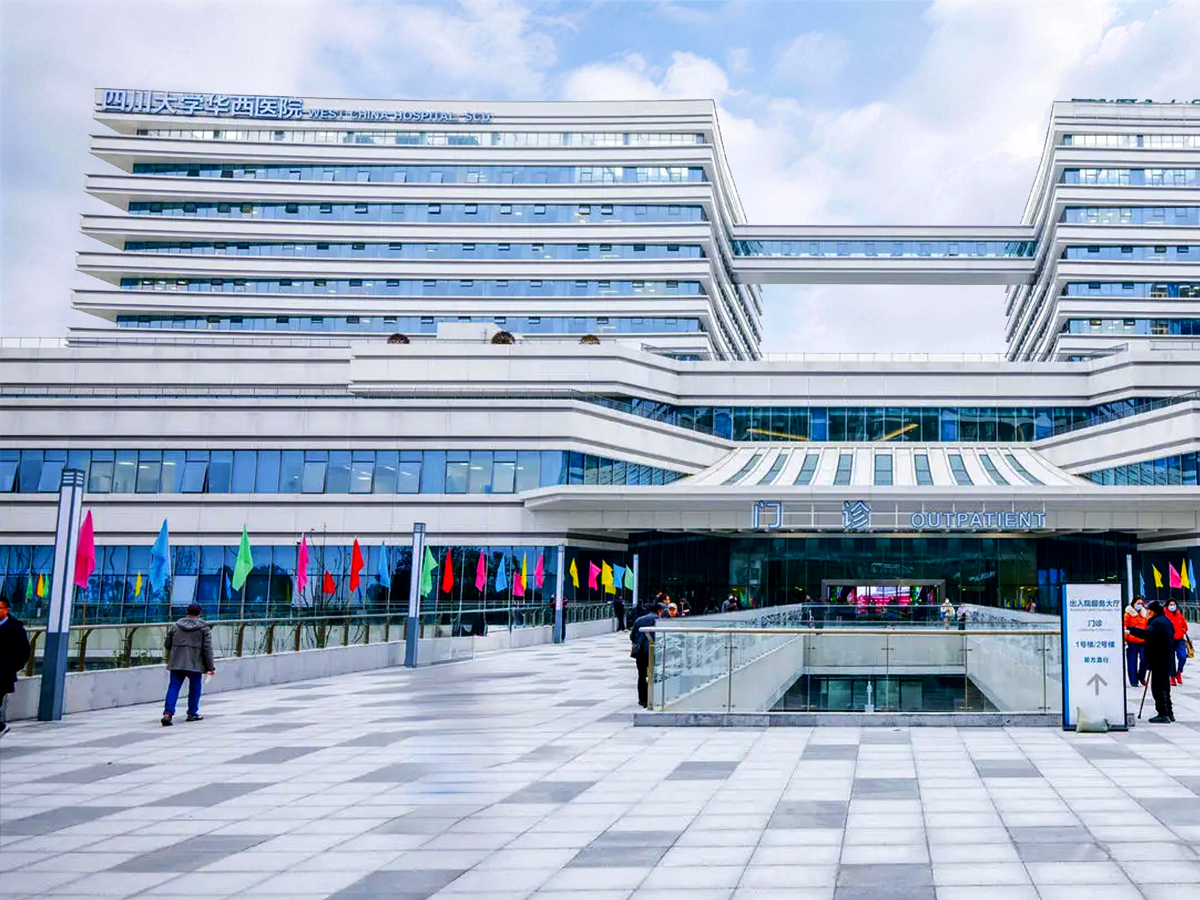
West China Hospital of Sichuan University
→
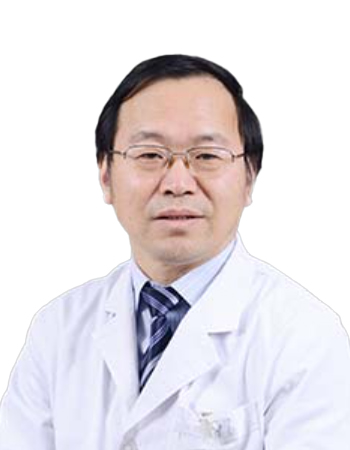
Difficult and severe infections and fungal infections
Internal Medicine
Research areas: Nosocomial infections (infections caused by various pathogens, including various opportunistic infections in AIDS patients), epidemiology and drug treatment of fungal infections, and clinical pharmacology of anti-infective drugs. Cutting-edge technology: Possesses comprehensive knowledge of the diagnosis and treatment of common and frequently occurring infectious diseases, and is skilled in the diagnosis and treatment of various pathogen infections, especially various difficult and severe
Affiliated Hospital
Peking Union Medical College Hospital, Chinese Academy of Medical Sciences
→
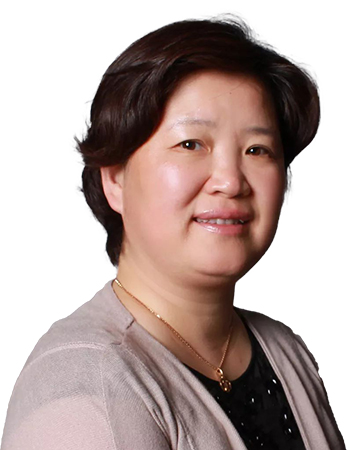
Chief Physician, Level 2 Professor, Doctoral Supervisor, Director of the Department of Infectious Diseases
Internal Medicine
-Research areas : viral hepatitis, liver failure, cirrhosis, clinical cure of chronic hepatitis B, drug-induced liver disease. - Cutting-edge technologies: Clinical cure program for chronic hepatitis B RGT; prognostic early warning model for liver failure; artificial liver combined with comprehensive internal medicine treatment. - Areas of expertise: Chronic hepatitis B/C, acute-on-chronic liver failure, cirrhosis, comprehensive management of liver cancer and other liver diseases, and drug-induced liver i
Affiliated Hospital
Ruijin Hospital Affiliated to Shanghai Jiao Tong University School of Medicine
→
Professor , Chief Physician of the Department of Geriatrics, and Vice Chairman of the Geriatrics Specialist Branch of the Beijing Medical Association.
Internal Medicine
Research areas: Comprehensive diagnosis and treatment of common geriatric diseases, identification and management of geriatric syndromes, and health management and disease prevention for the elderly. Cutting-edge technology: As the deputy director (in charge) of the Department of Geriatrics, I led the department's daily clinical management and outpatient system optimization, promoting the standardized operation of specialized outpatient clinics such as the comprehensive geriatric outpatient clinic and the
Affiliated Hospital
Peking Union Medical College Hospital, Chinese Academy of Medical Sciences
→
Chief Physician, Professor, Doctoral Supervisor
Internal Medicine
The current director of the Department of Endocrinology, director of the National Health Commission's Key Laboratory of Endocrinology, and former chairman of the Chinese Medical Association's Osteoporosis and Bone Mineral Diseases Branch, whose research areas are metabolic bone diseases and hereditary endocrine diseases; Zhu Huijuan: Chief Physician, Doctoral Supervisor, Executive Deputy Director, a key member of the discipline in the field of pituitary diseases and rare endocrine diseases; Academician Sh
Affiliated Hospital
Peking Union Medical College Hospital, Chinese Academy of Medical Sciences
→
Academician , Chief Architect of Discipline and Endocrine Tumor Research
Internal Medicine
Research areas: Clinical diagnosis and treatment of hereditary endocrine and metabolic diseases, adrenal diseases and diabetes; pathogenesis and pathogenic genes of endocrine tumors. Cutting-edge technologies: Discovering the pathogenesis and pathogenic genes of multiple endocrine neoplasia type 1, islet cell tumors, and adrenal Cushing's syndrome, and standardizing and optimizing treatment protocols. Dedicated to creating a biobank research model for large-scale cohort studies. Specializes in treating: e
Affiliated Hospital
Ruijin Hospital Affiliated to Shanghai Jiao Tong University School of Medicine
→
Former head of department, chief physician, professor, and doctoral supervisor.
Internal Medicine
Research Areas : Severe lupus, refractory rheumatoid arthritis, amyositis-dermatomyositis with severe interstitial pneumonia, and ANCA-associated vasculitis. Cutting-Edge Technologies: Individualized treatment of lupus nephritis based on renal pathology classification has reduced the 10-year incidence of end-stage renal disease to 17%; FLAIR criteria for amyositis-dermatomyositis with rapidly progressive interstitial pneumonia have been developed. Areas of Expertise: Severe SLE, refractory RA, amyositis-d
 Affiliated Hospital
Renji Hospital Affiliated to Shanghai Jiao Tong University School of Medicine
→
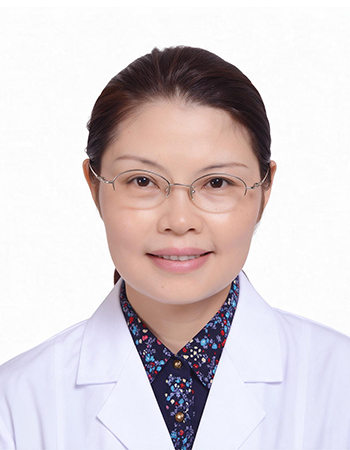
Level 1 expert in geriatric outpatient clinic
Internal Medicine
Research areas : chronic kidney disease in the elderly; lower urinary tract symptoms in the elderly; guidance on rational drug use in the elderly. Specializes in treating: diabetic nephropathy, hypertensive nephropathy, gouty nephropathy; urinary tract infections in the elderly, benign prostatic hyperplasia, urinary incontinence in the elderly; and memory impairment in the elderly.
Affiliated Hospital
West China Hospital of Sichuan University
→
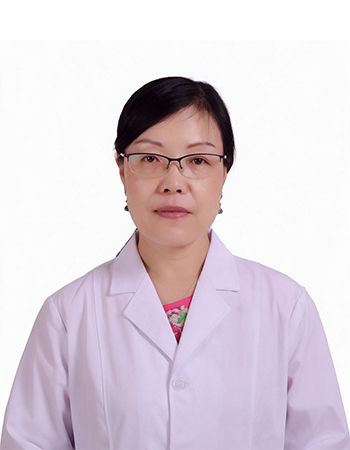
Professor , Chief Physician, Academic and Technical Leader of Sichuan Province
Internal Medicine
Research areas : refractory infections; fever of unknown origin; severe liver disease; diagnosis and treatment of AIDS. Cutting-edge technologies: comprehensive diagnosis and treatment of refractory infections; treatment of severe hepatitis and liver failure; antiviral therapy for HIV and management of opportunistic infections. Areas of expertise: refractory infections, fever of unknown origin, various severe liver diseases, and AIDS. Academic Highlights: Emergency expert of the National Health Commission
Affiliated Hospital
West China Hospital of Sichuan University
→
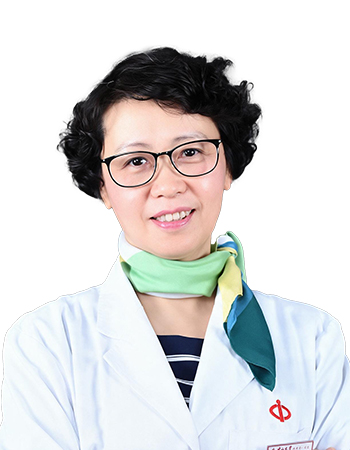
Professor , doctoral supervisor, and leader of the hypothalamic-pituitary disease subspecialty.
Internal Medicine
Research areas : Hypothalamic-pituitary axis disorders, pituitary tumors, hypopituitarism, and rare and complex endocrine diseases. - Cutting-edge technologies: Integrated MDT (Multidisciplinary Team) assessment of pituitary diseases combined with imaging/neurosurgery, perioperative endocrine management of pituitary tumors, and dynamic pituitary hormone function testing. - Areas of expertise: prolactinoma, acromegaly, Cushing's disease, TSH-secreting tumor, diabetes insipidus, hypopituitarism, complex pit
Affiliated Hospital
West China Hospital of Sichuan University
→
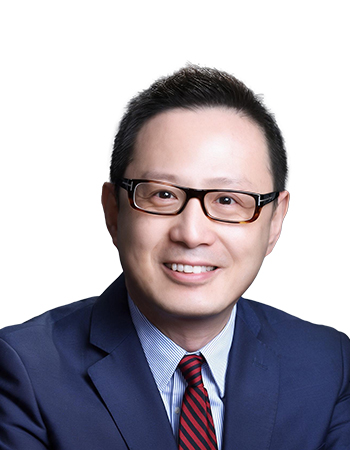
Chief Physician, Professor, Doctoral Supervisor, Distinguished Professor of Shanghai Jiao Tong University
Internal Medicine
Distinguished Honorary Professor at the Australian National University, Director of the Sino-Australian Joint Research Center for Personalized Immunology. Research Areas : Molecular genetic mechanisms and targeted therapy research of autoimmune diseases such as systemic lupus erythematosus (SLE). Cutting-Edge Technologies: Pioneered the discovery that abnormal activation of the type I interferon pathway is a major molecular phenotype of lupus, and established a novel biomarker analysis system for clinical
Affiliated Hospital
Renji Hospital Affiliated to Shanghai Jiao Tong University School of Medicine
→
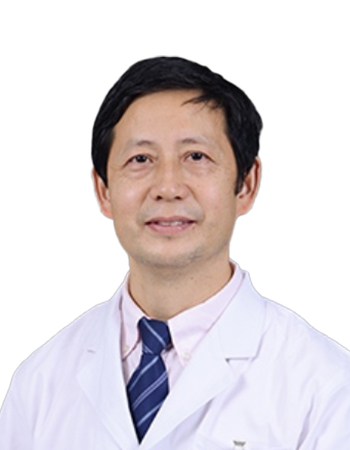
Chief Physician , Specializing in Allergic Rhinitis and Immunotherapy
Internal Medicine
Research areas: Pathogenesis and specific immunotherapy of allergic rhinitis, and clinical management of multiple sensitizations. Cutting-edge technology: Leading young physicians to participate in the 2025 EAACI Hong Kong Allergy Academy, sharing the distribution patterns of allergens and clinical manifestations of allergic rhinitis in China. Participating in systematic reviews and meta-analyses of literature related to the efficacy and safety of immunotherapy for patients with multiple sensitization. Sp
Affiliated Hospital
Peking Union Medical College Hospital, Chinese Academy of Medical Sciences
→
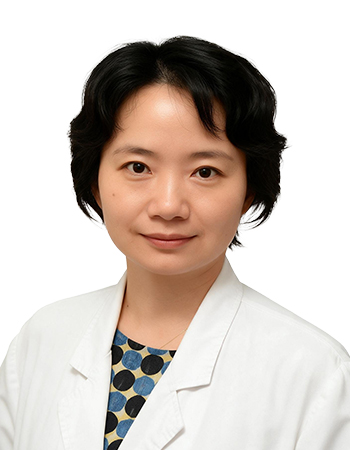
Chief Physician, Doctoral Supervisor, Deputy Director of Department
Internal Medicine
-Research areas : Systemic lupus erythematosus, connective tissue disease-associated interstitial lung disease, vasculitis, and critical care for autoimmune diseases. - Cutting-edge technologies: early imaging and immune assessment of connective tissue disease and interstitial lung lesions; optimization of induction remission regimens for severe lupus and systemic vasculitis. - Areas of expertise: Systemic lupus erythematosus, Sjögren's syndrome, dermatomyositis/polymyositis, ANCA-associated vasculitis,
Affiliated Hospital
Ruijin Hospital Affiliated to Shanghai Jiao Tong University School of Medicine
→
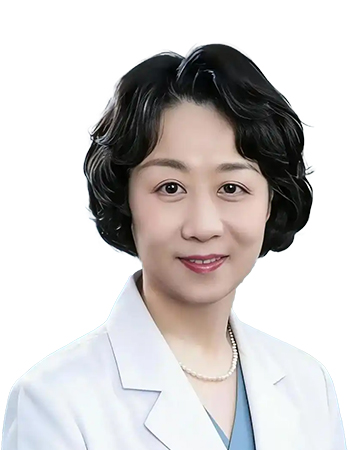
Chief Physician, Professor, Doctoral Supervisor, Director of the Department of Endocrinology and Metabolism
Internal Medicine
- Research areas : obesity, abdominal obesity, metabolic syndrome; comprehensive management of metabolic surgery; individualized treatment of diabetes. - Cutting-edge technologies: Precise diagnostic criteria for abdominal obesity in Chinese patients using MRI; Perioperative metabolic assessment system for metabolic surgery. - Areas of expertise: Obesity, metabolic syndrome, type 2 diabetes, pituitary/adrenal disorders. - Academic Highlights: Leading Talent in Shanghai; Standing Committee Member of the Di
 Affiliated Hospital
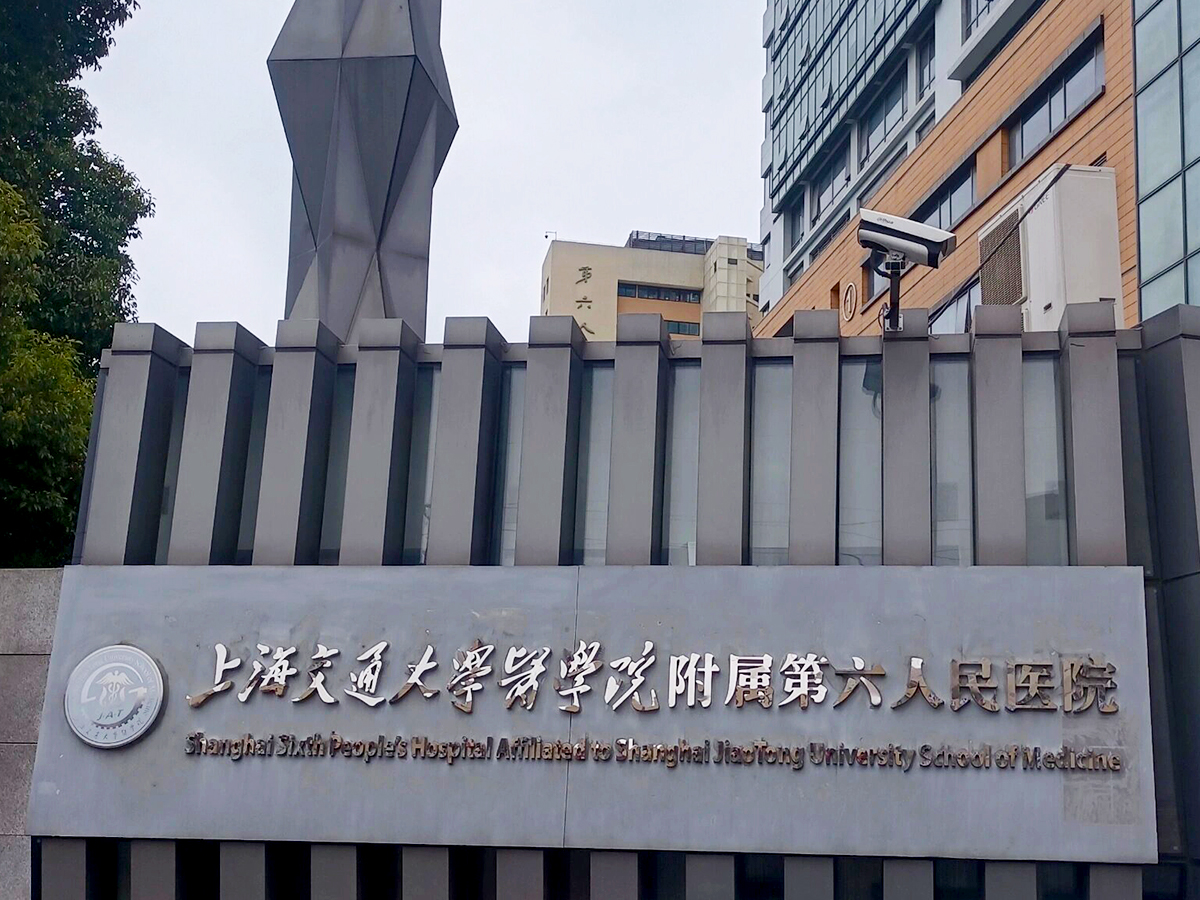
Shanghai Jiao Tong University School of Medicine Affiliated Sixth People's Hospital
→
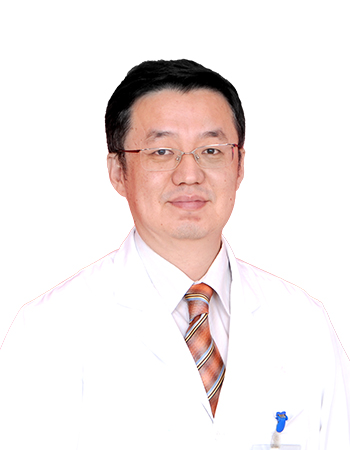
Director of the Department of Infectious Diseases and Director of the Guangdong Provincial Institute of Liver Diseases
Internal Medicine
Research areas : Clinical diagnosis and treatment of liver diseases and translational medicine research; discovery and translation of new curative strategies and targets for chronic hepatitis B; zero mother-to-child transmission of hepatitis B. Cutting-edge technologies: The NEJM-published clinical cure regimen for hepatitis B using Xalnesiran combined with immunomodulators (cure rate over 30%, with 47% of patients having low baseline HBsAg); the GOLDEN predictive model (identifying the high-risk group fo
 Affiliated Hospital
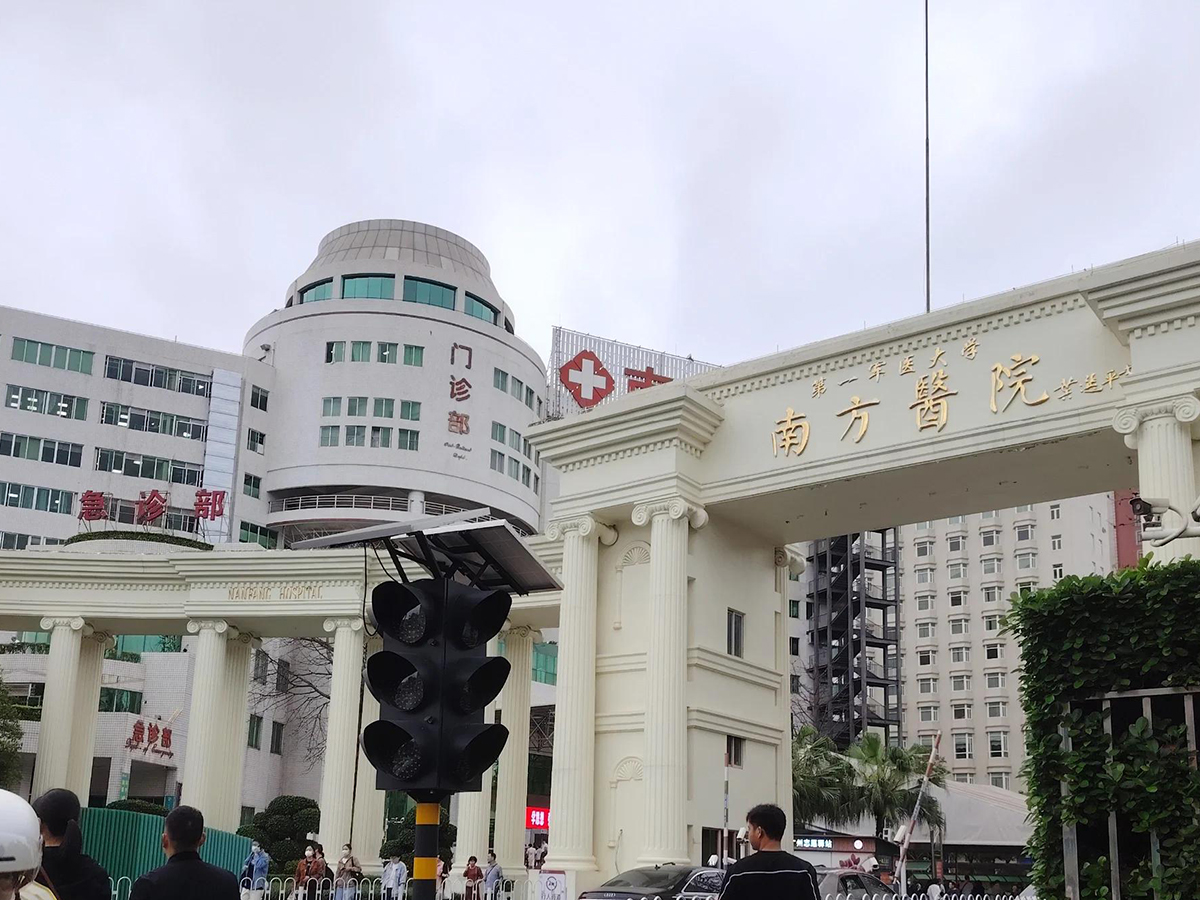
Southern Medical University Southern Hospital
→
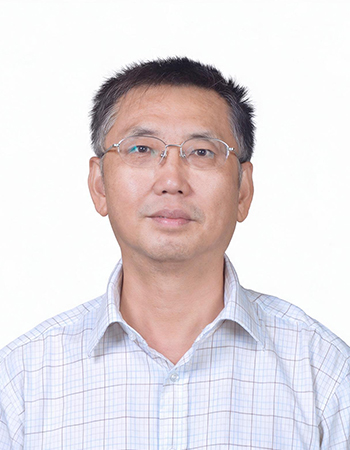
Core expert in rheumatology and immunology, professor, chief physician, doctoral supervisor
Internal Medicine
Research areas : Systemic lupus erythematosus, lupus nephritis, Sjögren's syndrome, and complex connective tissue diseases; Cutting-edge technologies: differential diagnosis of autoantibody profiles, and individualized immunosuppressive regimens for refractory lupus; Academic Highlights: Advanced training in the Department of Rheumatology and Immunology at Peking Union Medical College Hospital; over 30 years of in-depth expertise in the differential diagnosis of complex rheumatic and immunological diseas
Affiliated Hospital
West China Hospital of Sichuan University
→
Chief Physician, Professor, Doctor of Medicine, Postgraduate Supervisor.
Internal Medicine
Research Areas : Early diagnosis and standardized treatment of rheumatic and immunological diseases. Cutting-Edge Technologies: Proficient in the comprehensive diagnosis and treatment of connective tissue disease-related interstitial lung disease and the standardized management of IgG4-related diseases. Areas of Expertise: RA, SLE, Sjögren's syndrome, ankylosing spondylitis, dermatomyositis, systemic vasculitis, mixed connective tissue disease, connective tissue disease-related interstitial lung disease,
Affiliated Hospital
Renji Hospital Affiliated to Shanghai Jiao Tong University School of Medicine
→
Deputy Director of the Department, Professor/Master's Supervisor
Internal Medicine
Research focus: Adrenal gland diseases. Core Values: Director of the Adrenal Disease Diagnosis and Treatment Center of West China Hospital, member of the Adrenal Group of the Endocrinology Branch of the Chinese Medical Association, academic and technical leader of the Sichuan Provincial Health Commission, and leader in the construction of a standardized diagnosis and treatment system for adrenal diseases.
Affiliated Hospital
West China Hospital of Sichuan University
→
Deputy Director of the Department of Infectious Diseases, Doctoral Supervisor
Internal Medicine
Research areas : The role and mechanism of gut microbiota in the progression of chronic liver disease and liver cancer; novel biomarkers for the cure of hepatitis B. Cutting-edge technologies: Research on the mechanism of gut microbiota and the progression of chronic liver disease; exploration of novel biomarkers for the cure of hepatitis B. Specializes in treating: chronic hepatitis B, cirrhosis, and liver cancer. Academic Highlights: A core research member of the Department of Infectious Diseases at Nan
Affiliated Hospital
Southern Medical University Southern Hospital
→
Director of the Department of Geriatrics, Peking Union Medical College, and Doctoral Supervisor
Internal Medicine
Research areas: Gastrointestinal diseases, cirrhosis, constipation, diarrhea, indigestion in the elderly; coexistence of multiple diseases and complex diseases in the elderly; screening and prevention of geriatric syndromes (frailty, falls, depression, anxiety, adjustment of multiple medications, malnutrition); preoperative assessment of the elderly. Cutting-edge technologies: Establishing the Department of Geriatrics at Peking Union Medical College Hospital, building a stable interdisciplinary team in ge
Affiliated Hospital
Peking Union Medical College Hospital, Chinese Academy of Medical Sciences
→
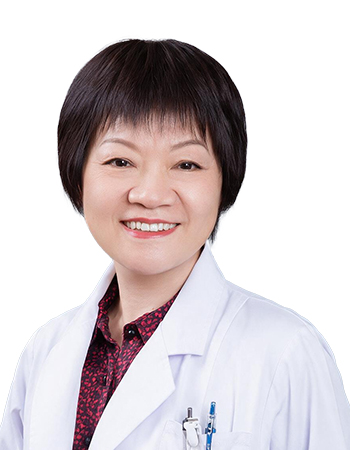
Professor – Director of the Third Department of Respiratory and Critical Care Medicine, specializing in interstitial lung disease and complex respiratory diseases.
Internal Medicine
Research areas: interstitial lung disease, complex respiratory diseases, diffuse parenchymal lung disease, and lung transplantation-related medical conditions. Cutting-edge technology: Serves as the head of the Interstitial Lung Disease Group of the Chinese Medical Association's Respiratory Diseases Branch, and leads the Third Department of Respiratory and Critical Care Medicine, primarily treating patients with interstitial lung disease, diffuse parenchymal lung disease, rare respiratory diseases, or com
 Affiliated Hospital
China-Japan Friendship Hospital
→
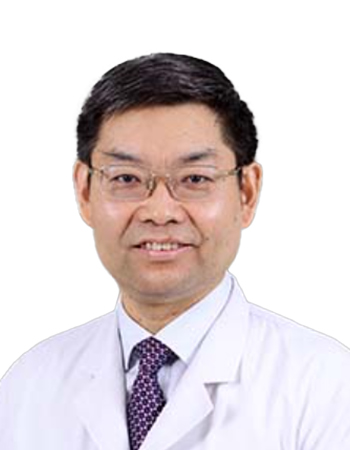
Professor , specializing in interstitial lung disease and diffuse lung disease
Internal Medicine
Research areas: Diffuse interstitial lung disease, sarcoidosis, pulmonary infections, and acute lung injury. Cutting-edge technology: Chief expert of the Ministry of Science and Technology's "Precision Medicine Research" project on interstitial lung disease, presiding over 11 research projects including the National Key Research and Development Program of China ("Precision Medicine") and the National Natural Science Foundation of China. Leading research on precision diagnosis and treatment of diffuse inte
Affiliated Hospital
Peking Union Medical College Hospital, Chinese Academy of Medical Sciences
→
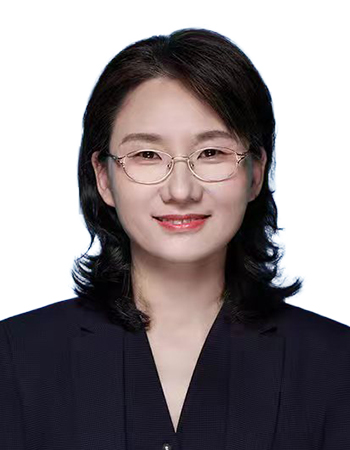
Chief Physician, Professor, Doctoral Supervisor, Deputy Director of the Department of Rheumatology
Internal Medicine
-Research areas : Rheumatoid arthritis, spondyloarthritis, systemic vasculitis; - Areas of expertise: Precision stratified treatment with biopharmaceuticals for arthritis, individualized immune modulation for ANCA vasculitis; - Areas of expertise: Rheumatoid arthritis, ankylosing spondylitis, ANCA-associated vasculitis, Behcet's disease; - Academic Highlights & Core Values: A renowned expert in the field of arthritis and systemic vasculitis in China, he has led multiple multi-center clinical studies of bi
Affiliated Hospital
Renji Hospital Affiliated to Shanghai Jiao Tong University School of Medicine
→
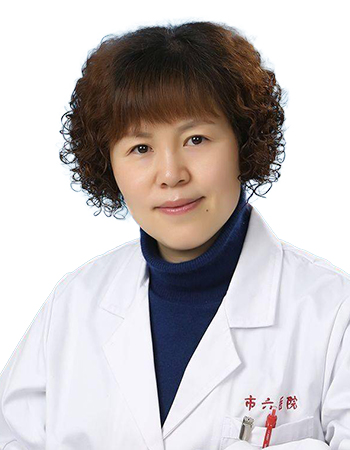
Deputy Director of the Department of Endocrinology and Metabolism, specializing in diabetic neurovascular disease.
Internal Medicine
Research areas : Screening and treatment of diabetic neurovascular complications; comprehensive management of diabetic foot disease. Cutting-edge technologies: Diabetic neurovascular disease screening and treatment system; multidisciplinary collaboration for diabetic foot disease. Specializes in treating: diabetic peripheral neuropathy, diabetic vascular disease, and diabetic foot. Academic Highlights: Core member of Shanghai Diabetes Clinical Medical Center; participated in the establishment of a collabo
Affiliated Hospital
Shanghai Jiao Tong University School of Medicine Affiliated Sixth People's Hospital
→
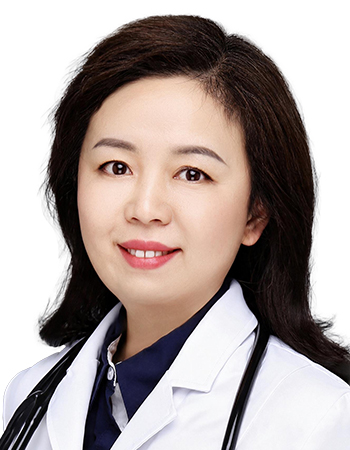
Chief Physician, Professor, Doctoral Supervisor, Deputy Director of the Geriatric Medicine Center, and Deputy Director of the National Clinical Research Center for Geriatric Diseases
Internal Medicine
-Research areas : cognitive impairment in the elderly, delirium in the elderly; sarcopenia and frailty in the elderly; perioperative management of the elderly. - Cutting-edge technologies: Early warning and non-pharmacological clustered intervention technology for delirium in hospitalized elderly patients; development of the world's first gene drug for sarcopenia (already in clinical trials); key technology system for the prevention and control of disability in the elderly (second prize of Huaxia Medical
Affiliated Hospital
West China Hospital of Sichuan University
→
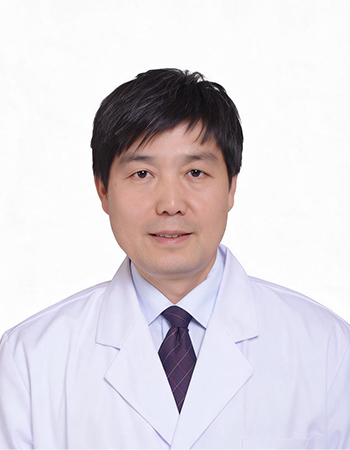
Director of Rheumatology and Immunology Department, Professor, Chief Physician, Level 1 Expert, Doctoral Supervisor
Internal Medicine
Research areas : stem cell therapy for systemic lupus erythematosus, systemic sclerosis, and refractory autoimmune diseases; rheumatic autoimmune diseases such as ankylosing spondylitis and rheumatoid arthritis; extensive experience in treating difficult and critical rheumatic immune diseases. Cutting-edge technologies: Immunoadsorption therapy for severe connective tissue diseases; clinical research on umbilical cord mesenchymal stem cell therapy for systemic sclerosis; immunoadsorption therapy for sever
Affiliated Hospital
West China Hospital of Sichuan University
→
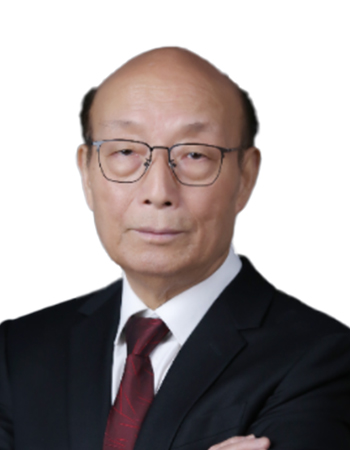
Chief Physician, Professor, Doctoral Supervisor
Internal Medicine
-Research areas : monogenic diabetes, molecular genetics of diabetes, pancreatic function assessment. - Cutting-edge technologies: MODY and mitochondrial diabetes gene testing; clamp technique for pancreatic islet function assessment. - Areas of expertise: Special types/hereditary diabetes, unexplained hypoglycemia, pancreatic-related diseases. - Academic Highlights: Core member of Academician Xiang Kunsan's team, pioneer in the field of monogenic diabetes in China, and leader of multiple genetic cohort s
Affiliated Hospital
Shanghai Jiao Tong University School of Medicine Affiliated Sixth People's Hospital
→
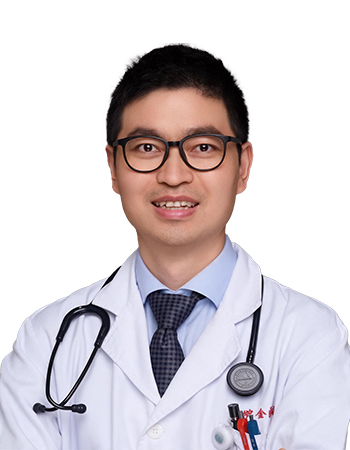
Associate Chief Physician, Doctoral Supervisor
Internal Medicine
-Research areas : antiphospholipid syndrome, pregnancy-related autoimmune diseases, thrombotic immune diseases. - Cutting-edge technologies: Obstetric APS risk assessment model; comprehensive management of recurrent miscarriage due to autoimmune diseases from preconception to pregnancy to postpartum. - Areas of expertise: Antiphospholipid syndrome, systemic lupus erythematosus complicated with pregnancy, immune-related recurrent miscarriage, thrombophilia. - Academic Highlights: Key member of the Departme
Affiliated Hospital
Ruijin Hospital Affiliated to Shanghai Jiao Tong University School of Medicine
→
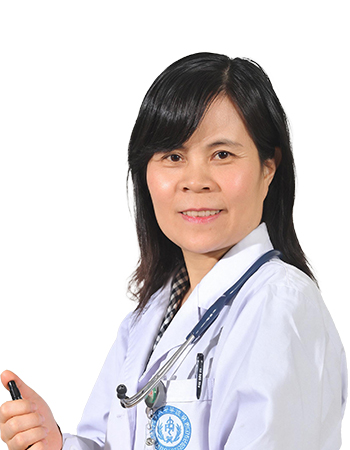
Professor, Doctoral Supervisor, Chief Physician, Deputy Director of the Center, Expert in Clinical Research of Anti-infective Drugs
Internal Medicine
Research areas : complex and critical bacterial and fungal infections, clinical pharmacology of antimicrobial drugs, diagnosis and treatment of bacterial and fungal infections; clinical research on anti-infective drugs; infection mechanisms and personalized treatment of drug-resistant bacteria. Cutting-edge technologies: TDM monitoring of antimicrobial drugs; individualized treatment plans for complex deep bacterial/fungal infections; precision diagnosis and treatment of difficult bacterial and fungal inf
Affiliated Hospital
West China Hospital of Sichuan University
→
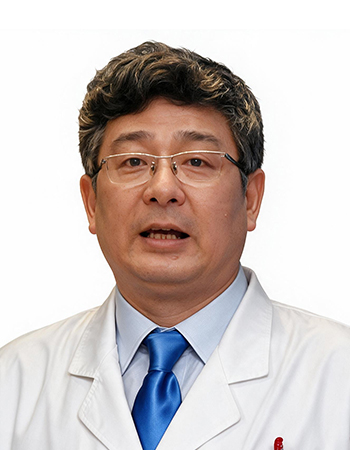
Chief Physician, Professor, Doctoral Supervisor, Head of Thyroid Subspecialty
Internal Medicine
-Research areas : Autoimmune thyroid diseases, thyroid nodules and thyroid tumors; - Areas of expertise: FNA biopsy of thyroid nodules, molecular pathological identification of thyroid nodules, and individualized and standardized treatment of hyperthyroidism; - Areas of expertise: Graves' disease, Hashimoto's thyroiditis, thyroid nodules, thyroid tumors; - Academic Highlights & Core Values: A leading expert in the field of thyroid diseases in China, who spearheaded the development of the TI-RADS classific
Affiliated Hospital
Ruijin Hospital Affiliated to Shanghai Jiao Tong University School of Medicine
→
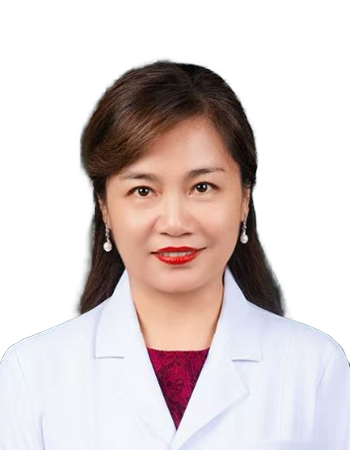
Professor , specializing in geriatrics and frailty-sarcopenia
Internal Medicine
Research areas: frailty-sarcopenia in the elderly, comprehensive geriatric assessment, perioperative management, and polypharmacy. Cutting-edge technology: Developed the "Peking Union Medical College Hospital Frailty-Sarcopenia Intelligent Assessment and Intervention System," integrating assessment, diagnosis, intervention, and follow-up, and was among the first batch of national demonstration clinics for the diagnosis and treatment of sarcopenia in the elderly. Participated in the formulation of Asian an
Affiliated Hospital
Peking Union Medical College Hospital, Chinese Academy of Medical Sciences
→
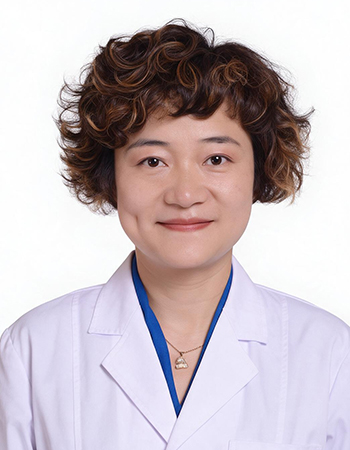
Director of Special Medical Center, Level 1 Expert in Rheumatology and Immunology, Professor, Chief Physician, Doctoral Supervisor
Internal Medicine
Research areas : Sjögren's syndrome, systemic vasculitis; metabolic-inflammatory response mechanisms and signaling pathways in rheumatoid arthritis; immune mechanisms and clinical studies of immune-related adverse pregnancies; molecular markers of muscle damage in inflammatory myopathy. Cutting-edge technologies: Epigenetics of rheumatoid arthritis, immune intervention programs for recurrent miscarriages related to autoimmune diseases; key participant in the West China Intractable Joint Disease MDT and t
Affiliated Hospital
West China Hospital of Sichuan University
→
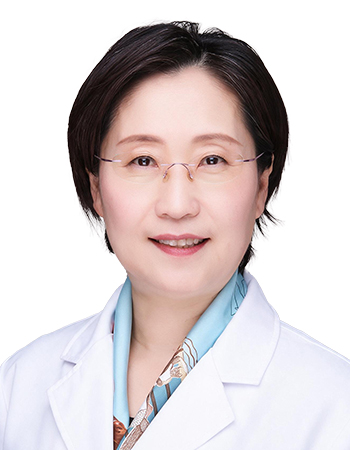
Chief Physician, Doctoral Supervisor, Deputy Director of the Department of Infectious Diseases, Director of the Clinical Virology Research Laboratory
Internal Medicine
-Research areas : molecular biology of hepatitis viruses, viral gene mutations, drug resistance mechanisms of hepatitis C/hepatitis B viruses. - Cutting-edge technologies: HBV/HCV deep gene sequencing, viral mutation and drug resistance detection; molecular diagnostic technology for viral hepatitis. - Areas of expertise: Chronic viral hepatitis, hepatitis of unknown cause, occult hepatitis, fatty liver. - Academic Highlights: Member of the Board of Directors of the International French-Speaking Institute
Affiliated Hospital
Ruijin Hospital Affiliated to Shanghai Jiao Tong University School of Medicine
→
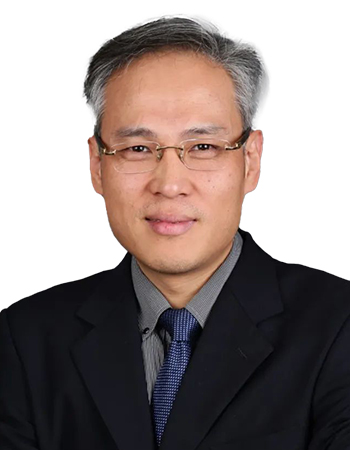
Director of Rheumatology Department, Chief Physician, Doctor of Medicine.
Internal Medicine
Research Areas : Complex and critical inflammatory rheumatic and immunological diseases, particularly SLE and dermatomyositis complicated with interstitial lung disease. Cutting-Edge Technologies: Led the clinical exploration of CD19/BCMA dual-target autologous CAR-T cell therapy for refractory SLE, achieving the first patient to achieve 104 weeks of drug-free clinical remission; spearheaded VA ECMO treatment for severe lupus patients. Areas of Expertise: SLE (prevention and treatment of various target or
Affiliated Hospital
Renji Hospital Affiliated to Shanghai Jiao Tong University School of Medicine
→
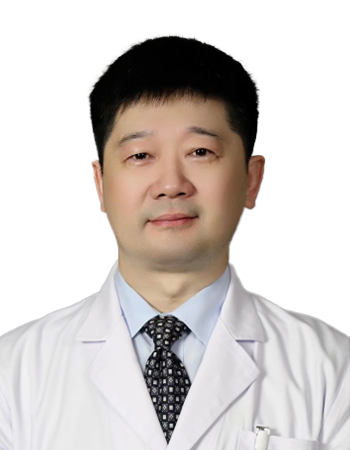
Allergen-specific immunotherapy and mRNA vaccines
Internal Medicine
Research areas: Novel immunotherapy strategies for allergic airway inflammation, mechanisms and clinical translation of allergen-specific immunotherapy. Cutting-edge technologies: Led the development of novel allergen-specific immunotherapy strategies based on mRNA vaccine technology, and constructed a lipid nanoparticle delivery system encoding Der p 1/Der p 2. Led a multicenter retrospective study of house dust mite allergen preparations for the treatment of allergic rhinitis with multiple allergies, fi
Affiliated Hospital
Peking Union Medical College Hospital, Chinese Academy of Medical Sciences
→
Expert in the Department of Rehabilitation Medicine at Xinhua Hospital, and a key member of the pediatric cerebral palsy rehabilitation treatment team.
Internal Medicine
Research Areas : Rehabilitation and treatment of pediatric neurological disorders, focusing on motor function training and family rehabilitation guidance for children with cerebral palsy. Cutting-Edge Technologies: Participated in clinical trials of robotic rehabilitation therapy and rehabilitation management platforms for children with cerebral palsy, accumulating rich experience in motor function assessment and family rehabilitation program development for children with cerebral palsy. Areas of Expertis
Affiliated Hospital
Renji Hospital Affiliated to Shanghai Jiao Tong University School of Medicine
→
HIV abnormal immune activation and immunomodulatory therapy
Internal Medicine
Research areas: Diagnosis and treatment of infectious diseases and fever of unknown origin; abnormal immune activation and immunomodulatory therapy in HIV infection. Cutting-edge technology: From 2014 to 2015, I conducted postdoctoral research at McGill University School of Medicine in Canada, focusing on clinical studies related to acute HIV infection. As one of the corresponding authors, I participated in the development of a treatment regimen combining intravenous immunoglobulin and low molecular weigh
Affiliated Hospital
Peking Union Medical College Hospital, Chinese Academy of Medical Sciences
→
Chief Physician and Professor of General Surgery.
Internal Medicine
Research areas: colorectal surgery, gastric surgery, laparoscopic surgery. Cutting-edge technology: Specializes in laparoscopic minimally invasive surgery for colorectal and gastric cancer, and has participated in the development of several national expert consensus statements on colorectal surgery. Has published multiple clinical research papers on laparoscopic surgery for colorectal tumors in core journals such as the Chinese Journal of Gastrointestinal Surgery. Specialties: Laparoscopic minimally invas
Affiliated Hospital
Peking Union Medical College Hospital, Chinese Academy of Medical Sciences
→
Chief Physician, Professor, Doctoral Supervisor, Director of the Geriatric Medicine Center, Deputy Director of the National Clinical Research Center for Geriatric Diseases
Internal Medicine
-Research areas : Vascular aging in the elderly, cohort studies of chronic diseases in the elderly, cardiovascular diseases in the elderly; assessment and intervention of geriatric syndromes (frailty, sarcopenia). - Cutting-edge technologies: cardiovascular risk stratification in the elderly, comprehensive management of cardiovascular diseases in the elderly, perioperative risk classification and differentiated management in the elderly; interactive assessment and intervention technology for geriatric syn
Affiliated Hospital
West China Hospital of Sichuan University
→
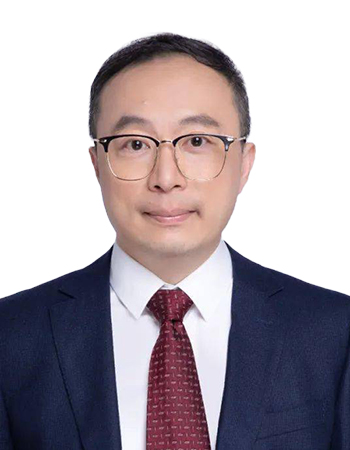
Deputy Director of the Department of Rheumatology, Chief Physician, Professor, Doctoral Supervisor, and Deputy Director of the Shanghai Institute of Rheumatology.
Internal Medicine
Research Areas : SLE, pregnancy immunology, rare diseases, autoinflammatory diseases, and basic and clinical research on scleroderma. Cutting-Edge Technologies: First systematic revelation of the molecular characteristics of different autoantibody subtypes in systemic sclerosis through multi-omics integrated analysis, published in *Annals of the Rheumatic Diseases* (IF=20); led clinical research on CAR-T cell therapy for progressive systemic sclerosis. Areas of Expertise: SLE, scleroderma, immune-related
Affiliated Hospital
Renji Hospital Affiliated to Shanghai Jiao Tong University School of Medicine
→
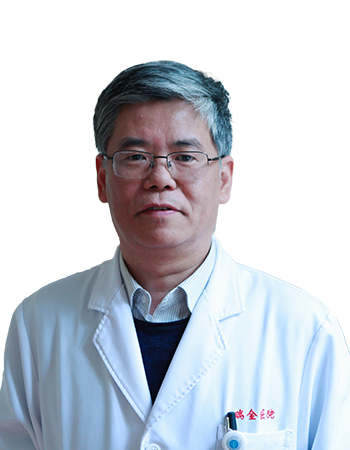
Professor , specializing in metabolic bone diseases and electrolyte imbalances
Internal Medicine
Research areas: metabolic bone diseases such as diabetes, adrenal gland diseases, parathyroid diseases, and osteoporosis, as well as electrolyte imbalances. Cutting-edge technology: Deeply involved in the fields of metabolic bone diseases and calcium and phosphorus metabolism, serving as the deputy editor-in-chief and director of the editorial department of the Chinese Journal of Endocrinology and Metabolism, and the deputy editor-in-chief of the Journal of Clinical Endocrinology and Metabolism. Specializ
Affiliated Hospital
Ruijin Hospital Affiliated to Shanghai Jiao Tong University School of Medicine
→
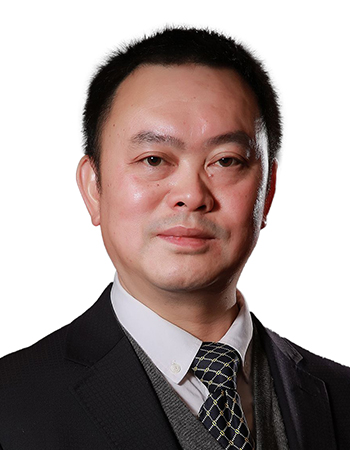
Professor , doctoral supervisor, leading expert in the subspecialty of diabetic foot and peripheral vascular disease, former director of the department, and director of the Diabetic Foot Diagnosis and Treatment Center.
Internal Medicine
- Research areas : Diabetic peripheral neuropathy/vascular disease, chronic metabolic wound repair, diabetic foot disease and peripheral vascular disease, diabetes and obesity. - Cutting-edge technologies: Autologous platelet-rich gel wound repair, ultrasonic debridement with water jets, negative pressure wound therapy combined with topical medication to promote healing, and MDT (Multidisciplinary Team) foot preservation system for diabetic foot. - Areas of expertise: refractory ischemic diabetic foot ulc
Affiliated Hospital
West China Hospital of Sichuan University
→
Deputy Director of the Department of Infectious Diseases, Chief Physician, Doctoral Supervisor
Internal Medicine
Research areas : research on discontinuation of hepatitis B nucleoside (acid) drugs; HIV; difficult-to-treat infections. Cutting-edge technologies: Hepatitis B antiviral treatment discontinuation strategies; investigation of fever of unknown etiology; comprehensive diagnosis and treatment of AIDS. Specializes in treating: viral hepatitis (hepatitis B, hepatitis C), fatty liver, cirrhosis, liver abscess, fever of unknown origin, tuberculosis, sepsis, systemic infections, and AIDS. Academic Highlights: Depu
Affiliated Hospital
Southern Medical University Southern Hospital
→
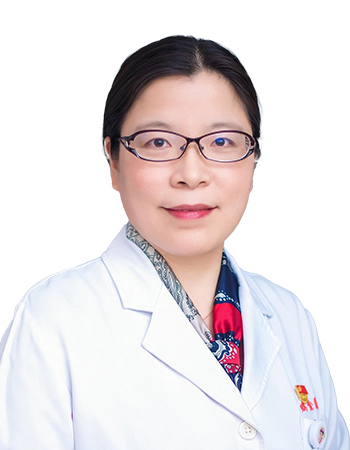
Chief Physician, Key Member of the Department of Infectious Diseases, Northern Campus
Internal Medicine
Research areas : Clinical diagnosis and treatment of infectious diseases; comprehensive management of liver diseases. Specializes in treating: viral hepatitis, liver damage of unknown cause, and autoimmune liver diseases. Academic Highlights: Participated in the research on teaching reform of infectious diseases in French-language classes; core expert for free clinics and popular science education at the Northern Campus.
Affiliated Hospital
Ruijin Hospital Affiliated to Shanghai Jiao Tong University School of Medicine
→
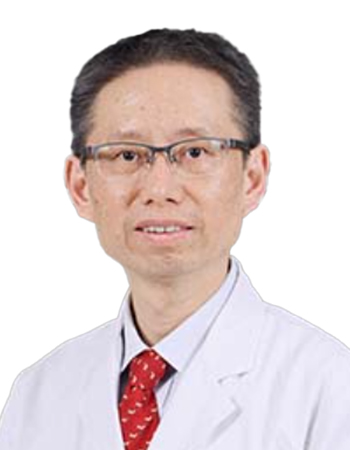
Chief Physician and Professor of the Department of Respiratory and Critical Care Medicine , specializing in rare respiratory diseases and pulmonary vascular diseases
Internal Medicine
Research areas: Clinical and basic research on rare respiratory diseases such as lymphangioleiomyomatosis (LAM) and pulmonary alveolar proteinosis (PAP), and pulmonary hypertension. Cutting-edge technology: Pioneered the clinical use of rapamycin for LAM treatment in China, establishing the largest follow-up population of LAM patients in the country. Introduced novel blood testing methods for PAP and LAM, potentially achieving a diagnostic accuracy rate of over 90%. Undertook a National 973 Program projec
Affiliated Hospital
Peking Union Medical College Hospital, Chinese Academy of Medical Sciences
→
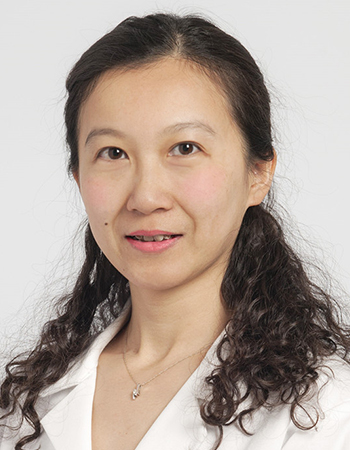
Doctor of Medicine, Director of the Department of Rare Diseases, Chief Physician of Rheumatology and Immunology, Dr., and Doctoral Supervisor at Peking Union Medical College Hospital.
Rare & Complex DiseasesInternal Medicine
Visiting Scholar at the University of California, San Francisco, and Visiting Researcher in Rheumatology and Immunology at the Cleveland Clinic. Editorial Board Member of the *Chinese Journal of Clinical Immunology and Allergy*, *Chinese Journal of General Practitioners*, and *Peking Union Medical College Journal*. Vice Chairman of the Immunodeficiency Monitoring and Translation Professional Committee of the China Association for the Promotion of Human Health Science and Technology; Standing Committee Mem
Affiliated Hospital
Peking Union Medical College Hospital, Chinese Academy of Medical Sciences
→
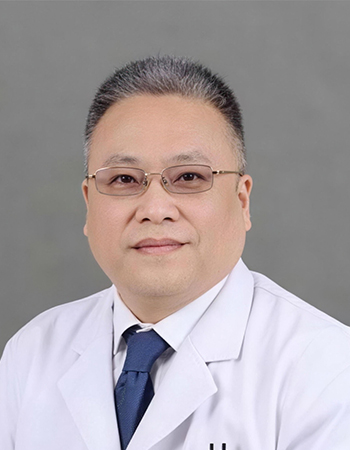
Chief Physician of Rheumatology and Immunology, Professor, Doctoral/Postdoctoral Supervisor
Internal Medicine
He graduated from the Department of Basic Medical Sciences, Shanghai First Medical College in 1984. In 1995, he received the Ivy Wu Fellowship to study immunopathology at the University of Hong Kong. In 1998, he received a strategic partnership program from the Ministry of Health to systematically study GCP at Janssen-Ortho Inc. in Canada. He is the Chief Physician and Dr. of Rheumatology and Immunology, and a doctoral/postdoctoral supervisor. From 2002 to 2010, he served as the Deputy Director of the Dep
Affiliated Hospital
Peking Union Medical College Hospital, Chinese Academy of Medical Sciences
→
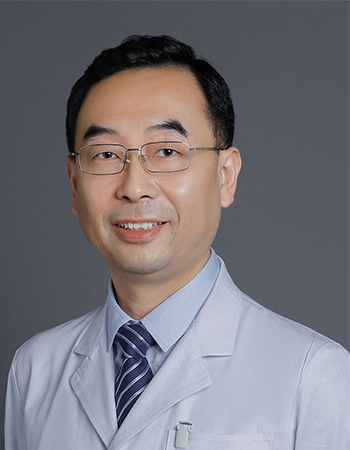
Doctor of Medicine, Chief Physician, Dr., Doctoral Supervisor, and Director of the Department of Rheumatology and Immunology.
Internal Medicine
Specializes in the standardized diagnosis and treatment of various rheumatic diseases, particularly scleroderma, dermatomyositis, and pulmonary hypertension. Received his Doctor of Medicine degree from Peking Union Medical College (8-year program) in 1999. He participated in an exchange program at the University of California, San Francisco School of Medicine, and was among the first batch of staff selected for the hospital's "Hundred Talents Program" to visit and exchange ideas at six rheumatology center
Affiliated Hospital
Peking Union Medical College Hospital, Chinese Academy of Medical Sciences
→
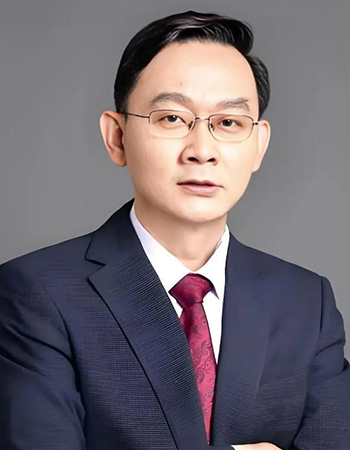
Chief Physician, Dr., and Doctoral Supervisor. Graduated from Peking Union Medical College.
Internal Medicine
Currently working at Peking Union Medical College Hospital, serving as Assistant to the President and Director of the Research Department, Executive Deputy Director of the Department of Rheumatology and Immunology, and Director of the Clinical Immunology Center of the Chinese Academy of Medical Sciences. Specializes in the diagnosis and treatment of various rheumatic and immunological diseases, including systemic lupus erythematosus, rheumatoid arthritis, connective tissue diseases, immune liver diseases,
Affiliated Hospital
Peking Union Medical College Hospital, Chinese Academy of Medical Sciences
→
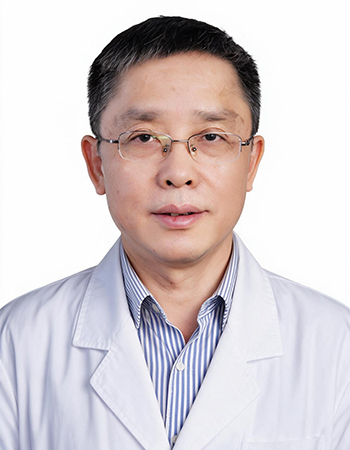
Dr. and Chief Physician of the Department of Rheumatology and Immunology at Peking Union Medical College Hospital, and Doctoral/Postdoctoral Supervisor.
Internal Medicine
Currently serving as Chairman of the Rheumatology Branch of the Chinese Medical Association, Vice President of the Rheumatology Branch of the Chinese Medical Doctor Association, former Chairman of the Rheumatology Branch of the Beijing Medical Association, Deputy Editor-in-Chief of the *Chinese Journal of Clinical Immunology and Allergy*, Deputy Editor-in-Chief of the *Chinese Journal of Clinical Rheumatology and Immunology*, and member of the editorial board of the *Chinese Journal of Internal Medicine*,
Affiliated Hospital
Peking Union Medical College Hospital, Chinese Academy of Medical Sciences
→
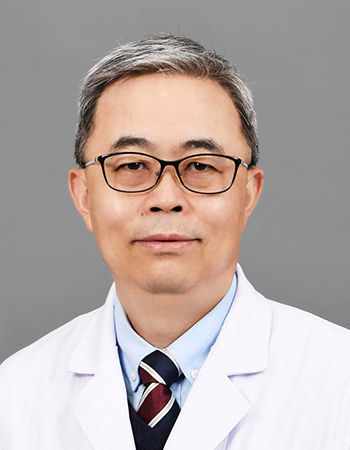
He holds a medical doctorate and is currently the Director and Chief Physician of the Department of Endocrinology at Peking Union Medical College Hospital
Internal Medicine
Chinese Academy of Medical Sciences, and a Dr. and Doctoral Supervisor at Peking Union Medical College, Chinese Academy of Medical Sciences. He also serves as the Chairman of the 5th Chinese Medical Association Osteoporosis and Bone Mineral Diseases Branch. He was a visiting scholar at the University of Tokyo, Japan, from 2000 to 2001. He primarily engages in clinical and research work on endocrine and metabolic diseases, with particular expertise in the basic and clinical research of metabolic bone disea
Affiliated Hospital
Peking Union Medical College Hospital, Chinese Academy of Medical Sciences
→
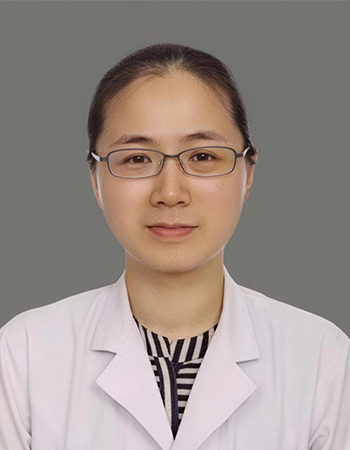
MD, Chief Physician, Doctoral Supervisor, Executive Deputy Director of the Department of Endocrinology.
Internal Medicine
Graduated from West China University of Medical Sciences in 1995 and participated in an exchange program at Kumamoto University School of Medicine, Japan in 2008. Currently serves as a member and secretary of the Chinese Pituitary Tumor Collaborative Group, Vice Chairman of the Youth Committee of the Endocrinology and Metabolism Branch of the Chinese Medical Doctor Association, Vice Chairman of the Adolescent Medicine Professional Committee of the Chinese Medical Doctor Association, and Chairman of the En
Affiliated Hospital
Peking Union Medical College Hospital, Chinese Academy of Medical Sciences
→
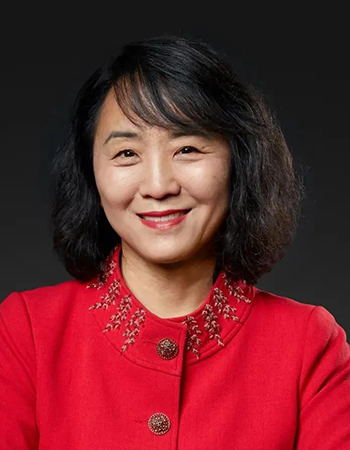
Doctor of Medicine, Dr., Doctoral Supervisor, and renowned expert.
PediatricsInternal Medicine
Currently serving as Chairman of the Chinese Medical Association's Pediatrics Branch, Standing Committee Member of the International Academy of Pediatrics, Standing Committee Member of the Asian Academy of Pediatrics, Vice President of the Chinese Medical Doctor Association's Pediatrics Branch, Head of the Respiratory Specialty Group of the Chinese Medical Association's Pediatrics Branch, Member of the 10th Pharmacopoeia Commission of the Ministry of Health, Standing Committee Member of the Chinese Medica
 Affiliated Hospital
Beijing Children's Hospital (School of Pediatrics, National Children's Medical Center), Capital Medical University
→
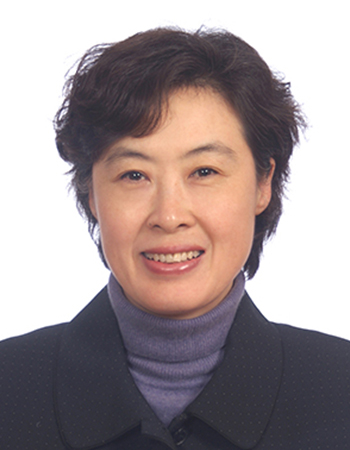
Chief Physician/Dr., Doctoral Supervisor, Chief Expert of the Department of Critical Care Medicine, and recipient of the State Council Special Allowance.
Internal Medicine
He received his doctoral degree from Capital Medical University in 2003. He has received advanced training at the PICU of Buffalo Children's Hospital in the United States, the PICU of Montefiore Children's Hospital in New York, and the Bambino Gesu Children's Hospital in Rome, Italy. He specializes in the diagnosis, treatment, and research of common and complex critical pediatric diseases, including various infectious diseases (such as severe pneumonia, encephalitis, sepsis, gastrointestinal infections, a
Affiliated Hospital
Beijing Children's Hospital (School of Pediatrics, National Children's Medical Center), Capital Medical University
→
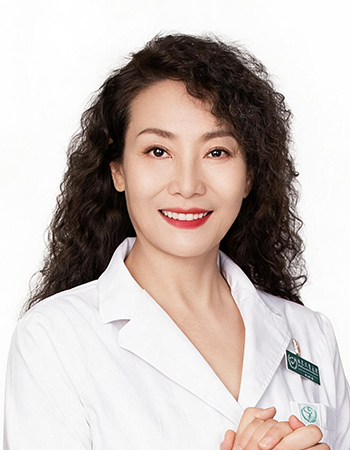
Chief Physician, Dr., Doctoral Supervisor, and Nationally Renowned Physician. Director of the Department of Endocrinology, Genetics and Metabolism, Beijing Children's Hospital, Capital Medical University, National Children's Medical Center
PediatricsInternal Medicine
Co-Director of the Rare Disease Research Laboratory; Level 1 Chief Physician; Level 2 Dr.; Doctoral Supervisor. Has been engaged in clinical, teaching, and research work on pediatric endocrinology, genetic, and metabolic diseases for over 20 years. Published over 400 first-author/corresponding author papers in core professional journals, including over 150 SCI-indexed papers. Principal author of several guidelines for diabetes, short stature, and gonadal diseases. Has presided over and participated in 25
Affiliated Hospital
Beijing Children's Hospital (School of Pediatrics, National Children's Medical Center), Capital Medical University
→
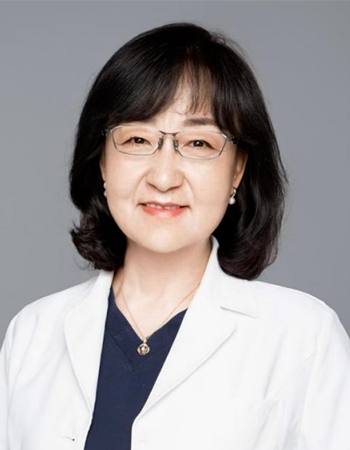
MD, Chief Physician (Level 1), Dr., and Master's/Doctoral/Postdoctoral Supervisor at Beijing Children's Hospital, Capital Medical University.
Internal Medicine
Currently serving as Executive President of Beijing Children's Hospital Zhengzhou Branch. She graduated from the Medical Department of Inner Mongolia Medical College in 1984 and received her doctoral degree from Beijing Children's Hospital, Capital Medical University in 2000. She has over 40 years of experience in pediatric internal medicine and over 30 years in pediatric rheumatology. She is a Standing Committee Member of the Chinese Rheumatology Society, Vice Chairman of the Beijing Rheumatology Society
Affiliated Hospital
Beijing Children's Hospital (School of Pediatrics, National Children's Medical Center), Capital Medical University
→
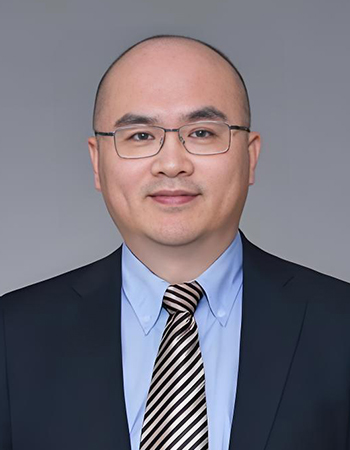
Doctoral supervisor, Dr., and researcher; PhD in Clinical Laboratory Diagnostics from Fudan University Shanghai Medical College
Internal Medicine
Postdoctoral Fellow at the NIH (National Institutes of Health). Director of the Department of Laboratory Medicine and Director of the Central Laboratory at Huashan Hospital Affiliated to Fudan University; Deputy Director of the Research Center for Rheumatology, Immunology and Allergic Diseases at Fudan University; Deputy Director of the Institute of Molecular and Translational Medicine at Huashan Hospital. Chief Scientist of the National Key Research and Development Program; Member of the 8th National Hea
 Affiliated Hospital
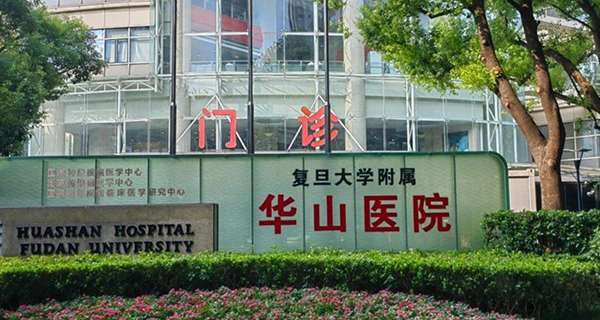
Huashan Hospital Affiliated to Fudan University
→
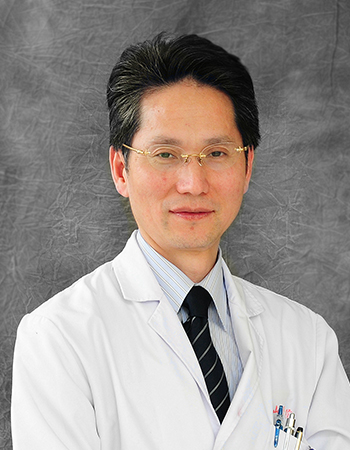
Postdoctoral fellow at Harvard Medical School, is a chief physician, Dr., and doctoral supervisor.
Internal Medicine
He currently serves as the director of the Antibiotics Research Institute at Huashan Hospital affiliated with Fudan University, the first chairman of the Chinese Society of Bacterial Infection and Drug Resistance Prevention and Control, a standing committee member of the Chinese Society of Infectious Diseases, vice chairman of the Infectious Diseases Professional Committee and the Fungal Diseases Professional Committee of the China Medical Education Association, a member of the Executive Committee of the
Affiliated Hospital
Huashan Hospital Affiliated to Fudan University
→
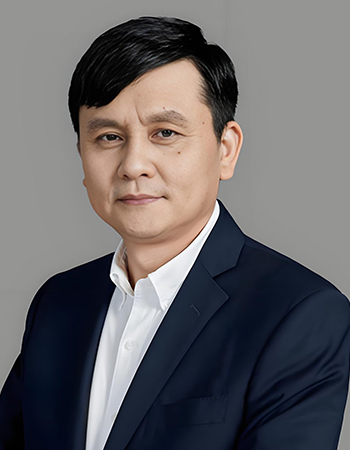
Dr., Chief Physician, and Doctoral Supervisor. Director of the National Center for Infectious Diseases, Director of the Department of Infectious Diseases at Huashan Hospital affiliated with Fudan University
Internal Medicine
Director of the Department of Internal Medicine at the Clinical Medical College of Fudan University, Director of the Shanghai Key Laboratory of Infectious Diseases and Biosafety Emergency Response, and Head of the Shanghai Expert Group for COVID-19 Medical Treatment. Member of the WHO Tuberculosis Prevention and Control Guidelines Expert Group and Vice Chairman of the Infectious Diseases Branch of the Chinese Medical Association. Graduated from the Department of Medicine, Shanghai Medical University, and
Affiliated Hospital
Huashan Hospital Affiliated to Fudan University
→
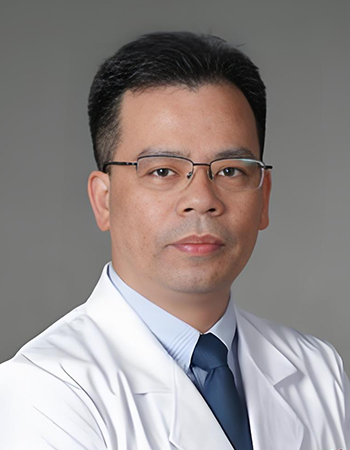
Chief Physician and Doctoral Supervisor. Director of the Department of Critical Care Medicine and Director of the Clinical Training and Examination Center at the Children's Hospital Affiliated to Fudan University
PediatricsInternal Medicine
Director of the Shanghai Pediatric Emergency Center, and Director of the AHA Advanced Cardiovascular Training Center. Chief Expert of the 14th Five-Year Plan National Key Research and Development Program; Board Member of the World Federation of Pediatric Critical Care Societies (WFPICCS). Deputy Head of the Emergency Medicine Group of the Chinese Medical Association Pediatrics Branch, Head of the Pediatric ECMO Group of the Extracorporeal Life Support Committee of the Chinese Medical Doctor Association, a
 Affiliated Hospital
Children's Hospital Affiliated to Fudan University (National Children's Medical Center)
→
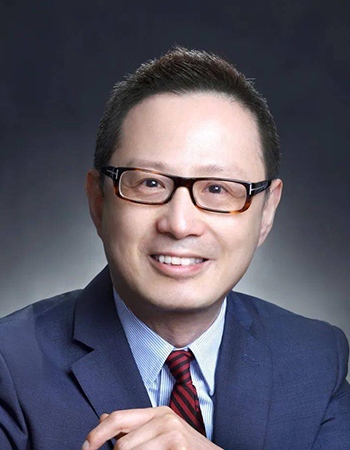
Chief Physician, Dr., Researcher, and Doctoral Supervisor. Distinguished Dr. at Shanghai Jiao Tong University, and Distinguished Honorary Dr. at the Australian National University
Internal Medicine
Director of the Department of Rheumatology at Renji Hospital affiliated with Shanghai Jiao Tong University School of Medicine; Director of the Sino-Australian Joint Research Center for Personalized Immunology; Director of the Shanghai Clinical Medical Center for Autoimmune Diseases; and Director of the Shanghai Institute of Rheumatology. Head of the Molecular Rheumatology Research Group at the Institute of Health Sciences, Shanghai Institutes for Biological Sciences, Chinese Academy of Sciences; Member of
Affiliated Hospital
Renji Hospital Affiliated to Shanghai Jiao Tong University School of Medicine
→
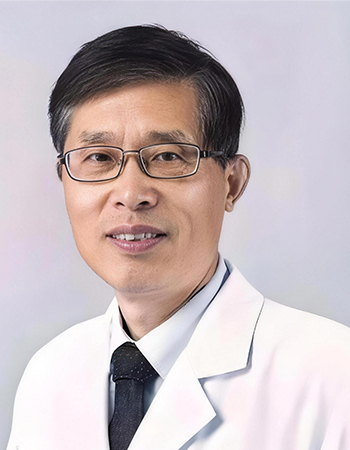
Deputy Director of the Shanghai Institute of Pediatric Medicine, Academic Leader of Pediatric Endocrinology, Genetics and Metabolism, Chief Physician, Level 2 Dr., Doctoral Supervisor, and Expert Receiving Special Government Allowances from the State Council
PediatricsInternal Medicine
Member of the Expert Committee on Rare Disease Diagnosis and Treatment and Guarantee of the National Health and Family Planning Commission, Vice President of the Medical Genetics Physician Branch of the Chinese Medical Doctor Association, and Head of the Neonatal Disease Screening Group of the Child Health Branch of the Chinese Preventive Medicine Association. Since 1981, he has been deeply involved in the research of genetic metabolic diseases, pioneering neonatal genetic metabolic disease screening in C
 Affiliated Hospital
Xinhua Hospital Affiliated to Shanghai Jiao Tong University School of Medicine
→
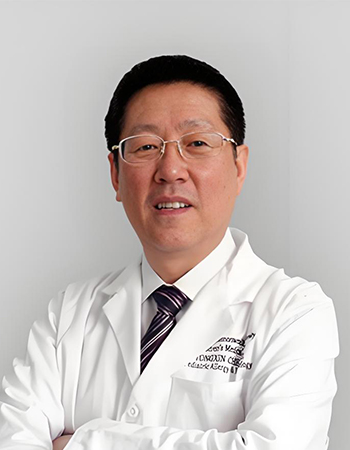
Chief Physician, Dr., Doctoral Supervisor. Director of the Department of Allergy and Immunology, Director of the Clinical Center for Infection and Immunology at the National Children's Medical Center (Shanghai), and Academic Leader of Rheumatology/Immunology
Internal Medicine
Standing Director of the Chinese Society for Immunology, Vice Chairman of the Chinese Society of Clinical Immunology, Deputy Head of the Immunology Group of the Chinese Pediatric Society, and Chairman of the Shanghai Society for Immunology. He pioneered clinical and genetic diagnosis of primary immunodeficiency diseases in China. In 2006, he successfully cured three cases of primary immunodeficiency diseases in my country using hematopoietic stem cell transplantation for the first time, filling a gap in t
 Affiliated Hospital
Shanghai Children's Medical Center (National Children's Medical Center), affiliated with Shanghai Jiao Tong University School of Medicine
→
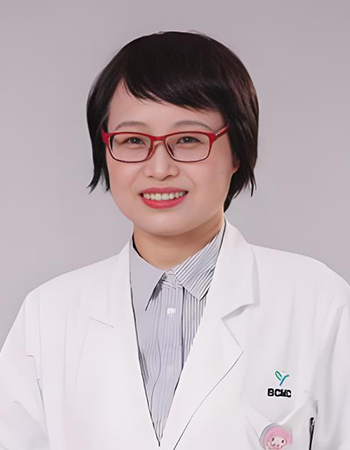
Chief Physician, Doctoral Supervisor. Director of the Department of Endocrinology and Metabolism, Deputy Director of the Department of Medical Genetics, and Director of the Clinical Research Ward
PediatricsInternal Medicine
He has presided over and participated in multiple research projects, including the "Eleventh Five-Year Plan" National Science and Technology Support Project and the National Natural Science Foundation of China, and has published over 130 papers. He led the world's first in vivo base-editing drug clinical study for childhood and adolescent hyperchylomicronemia (FCS), exploring in vivo gene-editing therapy through LNP delivery technology; he also led the world's first gene therapy project for childhood and
Affiliated Hospital
Shanghai Children's Medical Center (National Children's Medical Center), affiliated with Shanghai Jiao Tong University School of Medicine
→
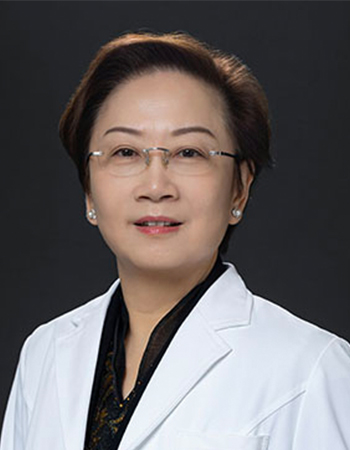
Chief Physician, Master's Supervisor. Director of the Department of Internal Medicine, Director of the Standardized Training Base for Pediatric Residents
PediatricsInternal Medicine
Vice President of the Pediatric Critical Care Physicians Branch of the Chinese Medical Doctor Association, Vice President of the Critical Care Physicians Branch of the Shanghai Medical Doctor Association, Deputy Director of the Pediatric Emergency Care Committee of the Pediatric Physicians Branch of the Chinese Medical Doctor Association, and Member/Advisor to the Emergency Care Group of the Chinese Medical Association's Pediatrics Branch. With 37 years of experience in frontline clinical practice in pedi
Affiliated Hospital
Shanghai Children's Medical Center (National Children's Medical Center), affiliated with Shanghai Jiao Tong University School of Medicine
→