
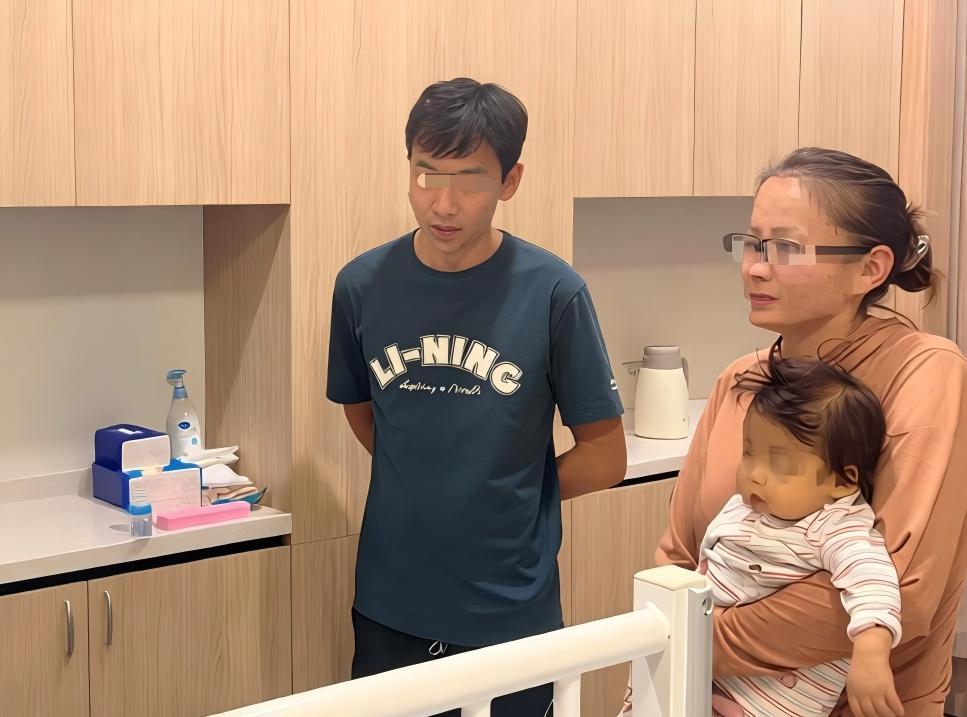
Patient records:
Name: Mei Ling
Age: 3 months
Nationality: Malaysia
Diagnosis: Methylmalonic acidemia (MMA), combined type
Treatment Hospital: Xinhua Hospital Affiliated to Shanghai Jiao Tong University School of Medicine
Decoding Genetic Defects: A Lifelong Battle for Precision Nutrition
Meiling was born in Kuala Lumpur, Malaysia. Shortly after birth, she began experiencing recurrent vomiting, lethargy, and feeding difficulties, and quickly developed metabolic acidosis and severe anemia. Local hospitals diagnosed her with methylmalonic acidemia (MMA) through blood tandem mass spectrometry and urine gas chromatography-mass spectrometry. This is an autosomal recessive inherited organic acidemia. Due to a gene defect, the baby's body cannot properly metabolize certain amino acids and fatty acids, leading to the accumulation of toxic metabolites such as methylmalonic acid in the body. These metabolites attack the brain, kidneys, and bone marrow, and each metabolic crisis can lead to irreversible brain damage or even death.
Meiling's parents sought our help in desperation. MMA management is extremely complex, requiring a top-tier team specializing in genetic metabolic diseases. Without hesitation, we recommended Meiling to Xinhua Hospital affiliated with Shanghai Jiao Tong University School of Medicine. This hospital is a national center for newborn screening and the diagnosis and treatment of genetic metabolic diseases. Professor Gu Xuefan's team is an absolute authority in the precise subtyping of methylmalonic acidemia and individualized diet and drug treatment, especially skilled in performing vitamin B12 loading tests on combined MMA to determine if there is an opportunity to use cobalamin, a highly effective drug.
In the initial service phase, our core value proposition was "certainty." We arranged for Meiling and her family to have a remote pre-consultation with a genetic counselor at Xinhua Hospital via video. We translated and organized Meiling's blood tandem mass spectrometry data and gene mutation report (MMACHC gene mutation). Before the consultation, the expert made a crucial judgment: she has a cblC deficiency and responds to hydroxycobalamin treatment. This meant that Meiling was treatable, bringing immense hope to the whole family.
Meiling and her family arrived in Shanghai. We coordinated with a nutritionist to accompany them for their consultation, converting the extremely complex dietary plan devised by the doctor—"special formula milk (with isoleucine, valine, methionine, and threonine removed) + very low protein diet + hydroxycobalamin injections + L-carnitine"—with its precise gram measurements and injection frequency, into food measurement methods commonly used in Malaysia. We patiently taught Meiling's mother how to calculate her natural protein intake for each meal and established a "metabolic crisis warning diary," teaching her to recognize early crisis signals such as drowsiness and vomiting.
The end of our services marked the beginning of MMA's lifelong management. We established a lifelong follow-up file for Meiling. Every month, Meiling has her blood drawn locally, and the blood smear is mailed via cold chain to the laboratory at Xinhua Hospital to monitor her blood propionylcarnitine and methylmalonic acid concentrations. When these indicators fluctuate, a nutritionist coordinates adjustments to her diet remotely via video. Through professional, meticulous, and cross-border continuous care, we ensure that Meiling's brain develops normally in a "toxin-free" environment. Now, two-year-old Meiling is lively and adorable, with completely normal developmental assessments. Our services have ushered in a "normal" life for her.