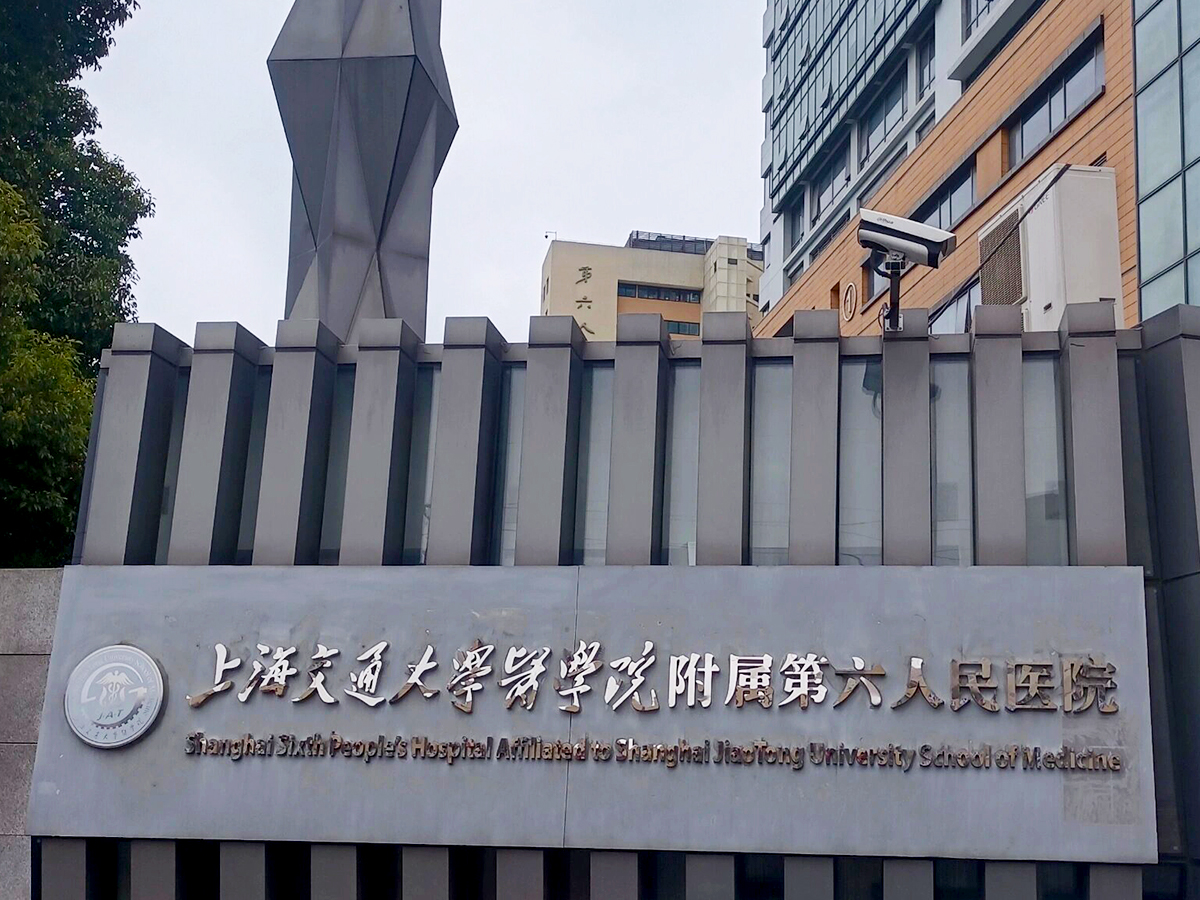

Endocrinology
It is a National Key Clinical Specialty and National Key Discipline; Shanghai Diabetes Clinical Medical Center, Shanghai Diabetes Research Institute, and Shanghai Key Laboratory of Diabetes; the laboratory has 15,000 m² of basic research facilities and has invested over 200 million RMB in research equipment. It houses a national biobank for metabolic diseases; is a co-construction unit of the National Key Laboratory for the Prevention and Treatment of Metabolic Disorders and Esophageal Cancer; and has a doctoral program and postdoctoral research station in endocrinology and metabolism. It is the birthplace of molecular etiology research on diabetes in China, having established the largest and longest-following longitudinal multimodal diabetes and complications cohort in the country, with a total sample size exceeding 100,000. It has undertaken more than 10 national-level projects, including the 973 Program, National Key Research and Development Program, and National Natural Science Foundation of China projects, and has won 5 National Science and Technology Progress Awards.
- Historical Origins and Spiritual Inheritance
Established in the 1960s, the discipline is one of the birthplaces of molecular etiology of diabetes in my country. Under the leadership of two generations of discipline leaders, Academician Xiang Kunsan (founder of molecular genetics of diabetes in China) and Academician Jia Weiping (chief scientist of the 973 Program and former chairman of the Diabetes Branch of the Chinese Medical Association), it became one of the earliest teams in China to conduct molecular genetic research on diabetes. Inheriting the discipline's spirit of basing itself on the metabolic characteristics of the Chinese people, precise classification, integration of medical treatment and prevention, and translational research, it adheres to the construction of a complete system from genetic etiology, clinical diagnosis and treatment, complication prevention and control to community chronic disease management.
- Core Business Operation Efficiency
The team comprises 85 members, including 2 academicians and 17 doctoral supervisors; it sees over 200,000 outpatients annually, with approximately one-third being complex cases referred from across the country. For many consecutive years, it has ranked among the top three in China's STEM (Science, Technology, Engineering, and Mathematics) rankings in endocrinology and metabolism. It offers specialized outpatient clinics for diabetes genetics, obesity, pituitary-adrenal gland disorders, and diabetic foot MDT (Multidisciplinary Team) care; it has established the largest longitudinal follow-up diabetes care station in China; it possesses a complete evaluation platform including high insulin-positive glucose clamps, gene sequencing, dynamic blood glucose monitoring, and AI-based diabetes screening; it has spearheaded the development of multiple national diabetes treatment guidelines, pioneered a hospital-community integrated diabetes management model which has been promoted nationwide; and it undertakes consultations for complex monogenic diabetes, refractory obesity, and rare endocrine diseases.
- Discipline Positioning and National/Global Benchmarking
A leading endocrinology and metabolism discipline in China, consistently ranking among the top 3 in the nation for hospital science and technology evaluation. It also consistently ranks among the top 10 in the Fudan University specialty reputation rankings. A complete diagnostic and treatment system covering more than 10 subspecialties, including diabetes classification and diagnosis, genetic counseling, blood glucose monitoring, obesity, diabetic nephropathy/foot/eye disease, and gestational diabetes, has been established. Benchmarking against top metabolic centers in Europe and America, its Chinese diabetes susceptibility gene profile, single-gene mutation diabetes gene diagnosis, dynamic blood glucose monitoring standards for Chinese populations, and AI-based screening technology for diabetic retinopathy have reached international advanced levels. Differentiated Advantages: The only center in Taiwan that simultaneously possesses a complete system for diabetes molecular genetic subtyping, precise metabolic assessment, comprehensive management of obesity/metabolic surgery, multidisciplinary team (MDT) for diabetes complications, and prevention and control of chronic diseases in the population; unlike general endocrinology departments, its core advantages lie in monogenic diabetes, the standard of abdominal obesity in Taiwan, multidisciplinary limb salvage for diabetic foot, and diagnosis and treatment of rare endocrine diseases.
Hospital Specialists
8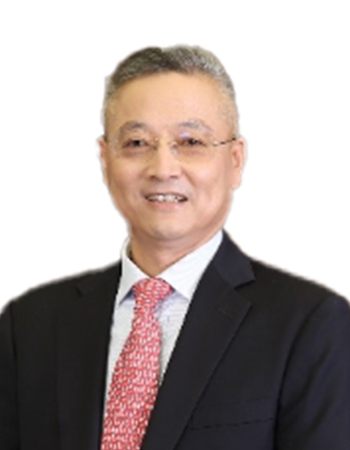 Zhang Xianlong
Chief Physician, Level 2 Professor, Doctoral Supervisor, Head of Joint Surgery Department, Director of Robotic Clinical Application Training Center
↗
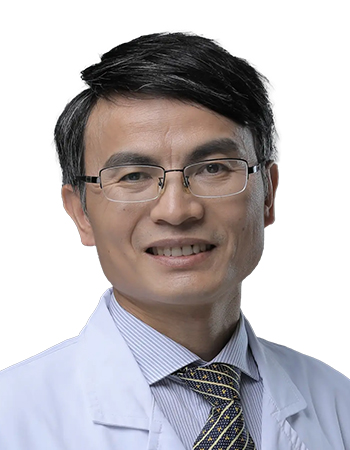 Yi Hongliang
Chief Physician, Doctoral Supervisor
↗
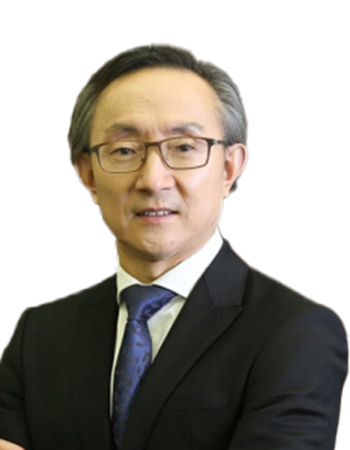 Yang Qingcheng
Chief Physician, Doctoral Supervisor, Director of Bone Tumor and Bone Disease Surgery
↗
 Wu Qingkai
Deputy Director of Obstetrics and Gynecology, Head of Female Pelvic Floor Specialty
↗
 Peng Xiaochun
Associate Chief Physician, Doctoral Supervisor, Deputy Director of the Department of Joint Surgery
↗
 Bao Yuqian
Chief Physician, Professor, Doctoral Supervisor, Director of the Department of Endocrinology and Metabolism
↗
 Zhang Weitian
Chief Physician, Doctoral Supervisor, Director of the Nasal Skull Base Subspecialty
↗
 Yan Xiaoyu
Chief Physician, Master's Supervisor
↗