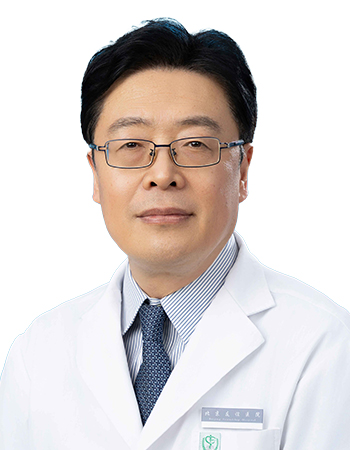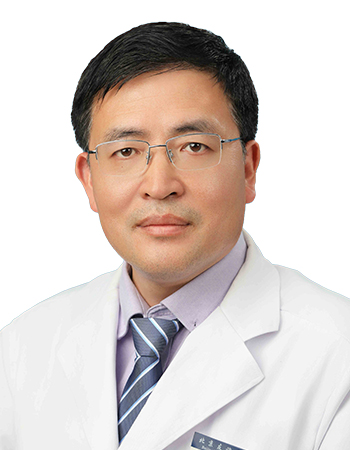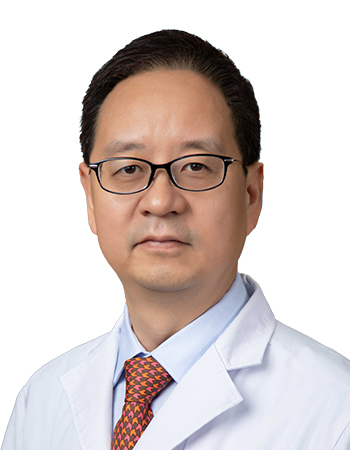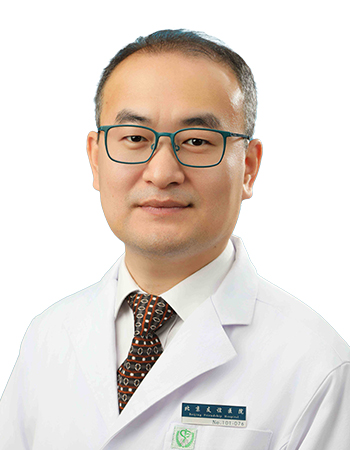
Beijing Friendship Hospital (Second Clinical Medical College), Capital Medical University ✓ Certified partner hospital

Beijing · Partner Hospital

Beijing Friendship Hospital (Second Clinical Medical College), Capital Medical University

The hospital is the supporting unit of the National Clinical Research Center for Digestive Diseases and the National Key Laboratory of Digestive Health, and a pilot unit of the National Flagship Hospital for Integrated Traditional Chinese and Western Medicine. It has 12 national key clinical specialties, 27 doctoral programs, and 33 master's programs. It is ranked A+ in the national performance evaluation of tertiary public hospitals and is one of the earliest hospitals in the country to undertake the tasks of healthcare for cadres and medical treatment for foreign guests. In 2018, it became one of the first batch of pilot units in the country to establish a modern hospital management system.

Organ TransplantGastroenterologyInternal MedicineRehabilitationSurgery
Request Hospital Matching

Hospital Introduction

1. Historical Origins and Spiritual Inheritance

Founded in 1952 as the Beijing Soviet Red Cross Hospital, affiliated with Capital Medical University, Beijing Friendship Hospital was the first large-scale comprehensive hospital established by the Party and the government after the founding of the People's Republic of China. In its early days, veteran revolutionaries such as Mao Zedong, Zhou Enlai, Liu Shaoqi, and Zhu De personally inscribed words for the hospital, with Chairman Mao Zedong writing the inscription "Reduce the people's diseases and improve their health." In March 1957, the Soviet government officially transferred the hospital to the Chinese government, and Premier Zhou Enlai attended the handover ceremony. In 1970, Premier Zhou personally named it "Beijing Friendship Hospital." Inheriting the hospital motto of "Benevolence, Compassion, and Excellence," the hospital has developed over seventy years into a large-scale, tertiary-level Class A comprehensive hospital under the jurisdiction of Beijing Municipality, integrating medical treatment, teaching, scientific research, and prevention.

2. Overall Scale and Hardware Capabilities

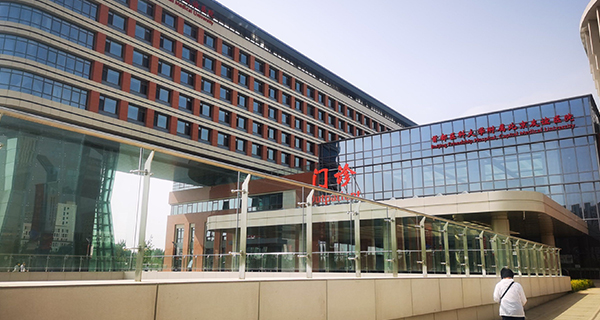
The hospital has formed a new development pattern of "three campuses and one department" comprising the Xicheng Campus, Tongzhou Campus, Shunyi Campus, and the outpatient department in the administrative office area of the city's sub-center. It currently has over 6,200 employees, including one academician of the Chinese Academy of Engineering, three Beijing Scholars, 261 postgraduate supervisors, and 848 senior professional and technical personnel. The three campuses have a total of 3,306 beds and 50 clinical, medical technology, and platform departments. The hospital houses five research institutions, including the Beijing Institute of Tropical Medicine and the Beijing Institute of Clinical Medicine, and has one national key laboratory, six Beijing key laboratories, and five Beijing clinical quality control centers. It is also equipped with one of Beijing's first batch of demonstration research-type wards and a biobank certified by ISO9001.

3. National Ranking and Authoritative Certification

The hospital is the supporting unit of the National Clinical Research Center for Digestive Diseases and the National Key Laboratory of Digestive Health, and a pilot unit of the National Flagship Hospital for Integrated Traditional Chinese and Western Medicine. It has 12 national key clinical specialties, 27 doctoral programs, and 33 master's programs. It is ranked A+ in the national performance evaluation of tertiary public hospitals and is one of the earliest hospitals in the country to undertake the tasks of healthcare for cadres and medical treatment for foreign guests. In 2018, it became one of the first batch of pilot units in the country to establish a modern hospital management system.

4. Core Business Data

In 2024, the hospital had a total of 4.137 million outpatient visits and 127,000 inpatient discharges. It has prominent specialties, including the diagnosis and treatment of digestive and urinary system diseases, liver and kidney transplantation, tropical diseases and parasitic diseases, integrated traditional Chinese and Western medicine, as well as clinical imaging diagnosis and interventional therapy.

5. MDT Multidisciplinary Collaboration System

The hospital has established a liver cancer diagnosis and treatment center, with the Department of General Surgery leading a collaboration with departments such as Hepatology, Radiology, Interventional Radiology, Critical Care Medicine, and Oncology. The Hepatology Sub-center, General Surgery Sub-center (Liver Transplantation Center), and Gastroenterology Sub-center have created a comprehensive multidisciplinary diagnosis and treatment system covering imaging, pathology, pharmacology, endoscopy, interventional radiology, liver disease ICU, and liver transplantation for complex liver diseases in both adults and children.

6. International and Foreign-Related Medical Treatment System

The hospital has an international medical center that provides special and foreign-related medical services according to social needs. It is one of the earliest hospitals in the country to undertake the task of health care for cadres and medical care for foreign guests. It also maintains long-term academic exchange and cooperation with outstanding medical colleges and universities at home and abroad, and receives domestic and foreign experts, scholars and international students for short-term exchanges and visits.

Key Departments

Explore the Clinical Focus and Capabilities of This Hospital's Key Departments

Select a department to view its full profile.

Department Profile

Digestive Rehabilitation

A domestic demonstration platform for full-cycle digestive rehabilitation of chronic digestive diseases, postoperative gastrointestinal dysfunction, and inflammatory bowel disease. Benchmarking against the World Gastroenterology Organization (WGO), it is a comprehensive treatment center for difficult cases of gastrointestinal motility disorders, postoperative functional impairment of digestive diseases, and nutritional and functional rehabilitation of chronic digestive diseases.

Historical Origins and Spiritual Inheritance:

The Department of Rehabilitation Medicine at Beijing Friendship Hospital was established in 1952, the same year as the hospital itself, making it one of the earliest established rehabilitation medicine centers in China. The hospital boasts a strong academic heritage in the integration of traditional Chinese and Western medicine: Professor Wang Baoen broke the international perception that "cirrhosis is irreversible," developing the "861 Compound," which provides an effective traditional Chinese medicine treatment for liver fibrosis; Professors Zhang Shuwen and Wang Baoen jointly created a system for treating multiple organ failure using both traditional Chinese and Western medicine, and established diagnostic criteria for sepsis and multiple organ dysfunction syndrome using integrated traditional Chinese and Western medicine. These achievements have laid the academic foundation for the digestive rehabilitation field, establishing a model of "equal emphasis on traditional Chinese and Western medicine, and the integration of acupuncture and medication in modern rehabilitation."

Core business operational efficiency:

The Department of Rehabilitation Medicine currently has a team of 64 members, including 14 physicians, 42 therapists, and 8 nurses. Ten members hold doctoral degrees, 32 hold master's degrees, and there is one doctoral supervisor and one master's supervisor. The department has a rehabilitation medicine ward located in the Shunyi campus, focusing on early-stage, acute-phase, and complex/critical care rehabilitation. It collaborates closely with multiple disciplines, including orthopedics, cardiovascular medicine, neurosurgery, and critical care medicine, to create an integrated clinical rehabilitation platform. The hospital's rehabilitation center uses a combination of acupuncture and medication with modern rehabilitation physiotherapy techniques to treat digestive diseases, severe infections, and post-illness rehabilitation in the elderly.

Discipline Positioning and Benchmarking:

It is a national pilot unit for integrated traditional Chinese and Western medicine (one of the 12 selected nationwide in 2023), the host institution of the National Clinical Research Center for Digestive Diseases, a national standardized cardiac rehabilitation center, and a national standardized training base for cardiopulmonary rehabilitation specialist nurses/rehabilitation therapists. Professor Xie Ying serves as the director of the Department of Rehabilitation Medicine, a standing director of the Beijing Rehabilitation Medicine Association, the vice chairman of the Neurological Rehabilitation Branch of the Beijing Neurological Society, and a standing member of the Rehabilitation Professional Committee of the Beijing Association of Integrated Traditional and Western Medicine. She has national academic influence in the fields of neurological rehabilitation, cardiopulmonary rehabilitation, obesity and metabolic disease rehabilitation, chronic disease rehabilitation, and psychological rehabilitation.

Next Step

Is this hospital right for you?

Submit diagnosis, treatment history, and goals; hospitals and specialists recommend a formal case assessment.

Contact our service team