
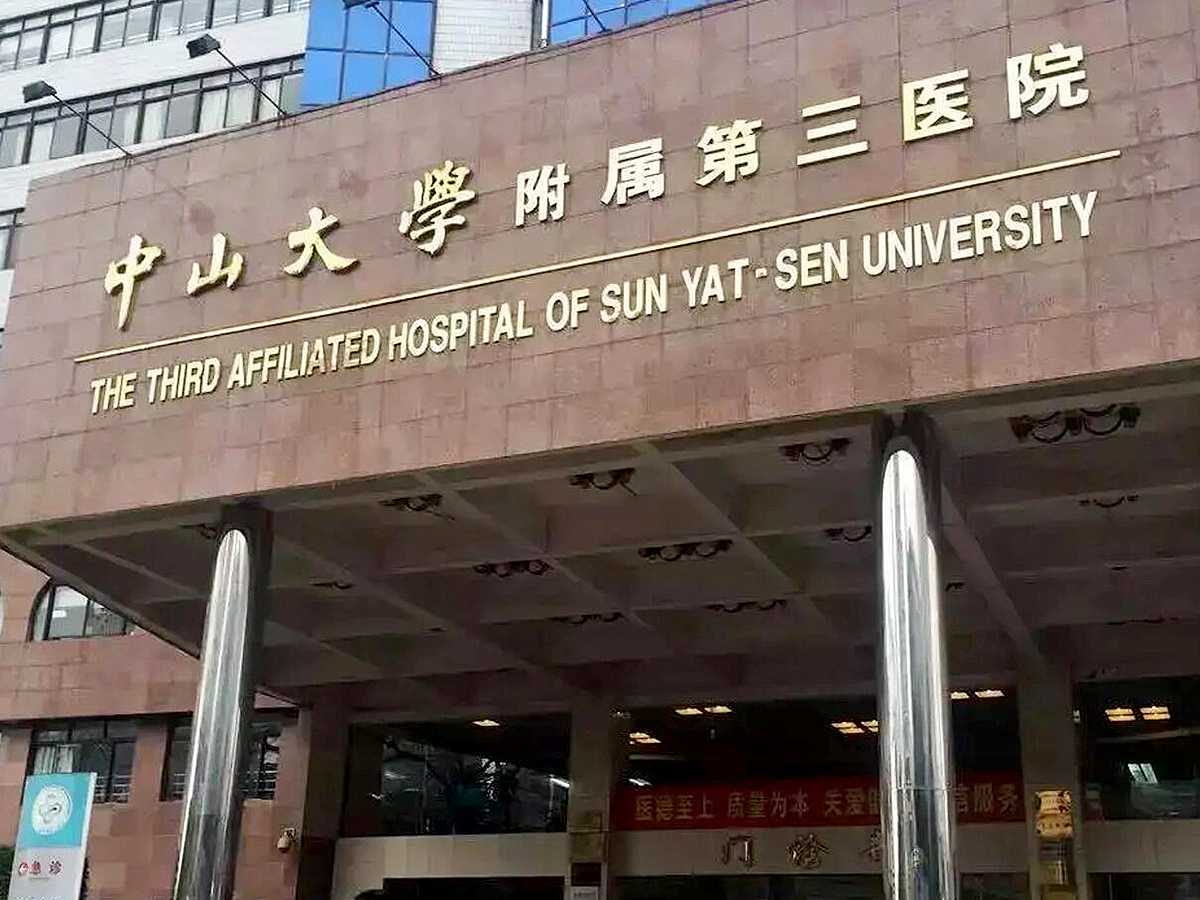
Spine / Spinal Cord Injury Rehabilitation
National Key Clinical Specialties (Rehabilitation Medicine, Orthopedics); National Regional Neurological Medical Center jointly established by the National Health Commission and Guangdong Province; Guangzhou Major and Complex Diseases (Spinal Cord Injury) Diagnosis and Treatment Center; National Key Research and Development Program Project Support Unit; Clinical Research Platform for Stem Cell Therapy for Spinal Cord Injury; Brain-Computer Interface and Neuromodulation Center. The leading unit of the National Key Research and Development Program "Clinical Research on Stem Cell Therapy for Spinal Cord Injury," leading the first stem cell clinical research project in the field of spinal cord injury in China to be registered with the National Health Commission and the State Drug Administration. One of the first core units of the National Clinical Research Center for Orthopedics and Sports Rehabilitation. The Department of Rehabilitation Medicine is the lead unit for a National Key Research and Development Program project. In the past five years, it has received 22 grants from the National Natural Science Foundation of China and has led one National Key Research and Development Program project. The department boasts a number of leading scientists, including chief scientists of National Key Research and Development Programs, leading talents in health and medical fields under the Guangdong Special Support Program, and leading medical talents in Guangdong Province.
- Historical Origins and Spiritual Inheritance
The Department of Rehabilitation Medicine was established in 1995, specializing in and excelling in neurorehabilitation. The Department of Spinal Surgery originated from the Department of Orthopedics, founded in 1972. It is the lead unit of the National Key Research and Development Program "Clinical Research on Stem Cell Therapy for Spinal Cord Injury" and one of the first core units of the National Clinical Research Center for Orthopedics and Sports Rehabilitation. The two departments have formed a collaborative tradition in the treatment and rehabilitation of spinal cord injuries, encompassing "acute surgical decompression—subacute functional reconstruction—long-term rehabilitation management," with their core values condensed as "function-oriented and evidence-based." The Spinal Cord Injury Treatment Center was established under the leadership of Rong Limin's team. It integrates multiple disciplines such as spinal surgery, rehabilitation medicine, critical care medicine, and urology to build a complete chain of spinal cord injury diagnosis and treatment system, including emergency care, surgery, critical care, rehabilitation, and long-term follow-up. It inherits the integrated diagnosis and treatment concept of "surgical repair + nerve regeneration + functional reconstruction".
- Core Business Efficiency
The Tianhe and Lingnan campuses have dedicated spinal cord injury rehabilitation wards, with a total of 105 beds. The Luogang campus is expected to have 140 beds after the addition of a second ward in 2026. The Department of Spinal Surgery includes a scoliosis center with 131 beds. It is equipped with a motor function assessment room, a urodynamic testing room, a robotic rehabilitation training area, and a neuromodulation therapy room. Services cover bedside rehabilitation in the acute phase, functional reconstruction in the subacute phase, management of chronic complications, and community rehabilitation guidance. The department completes hundreds of spinal cord injury functional assessments and rehabilitation interventions annually, undertakes national continuing education projects, and trains spinal cord injury rehabilitation specialists nationwide. It has also established a leading domestic biobank of spinal cord injuries.
- Discipline Positioning
The Department of Rehabilitation Medicine is a National Key Clinical Specialty Construction Project Unit, a National Key Research and Development Program Project Chief Unit, and a Guangdong Provincial High-Level Key Clinical Specialty. In the 2023 Fudan University Rankings, the Department of Rehabilitation Medicine ranked sixth in the country, and has been among the top ten in the country for six consecutive years, and has ranked first in South China for four consecutive years. One of the few MDT centers in China to achieve seamless integration of spinal surgery and spinal cord injury rehabilitation; its stem cell repair of spinal cord injury and brain-computer interface exoskeleton rehabilitation are at the forefront of international standards; its standardized rehabilitation programs for post-spinal cord injury spasms and neurogenic bladder are domestic benchmarks; it has taken the lead in formulating domestic group standards for spinal cord injury stem cell therapy in accordance with the diagnostic and treatment standards of the International Society for Spinal Cord Injury (ISCoS), and its technical solutions have been promoted to many parts of the country.
Hospital Specialists
6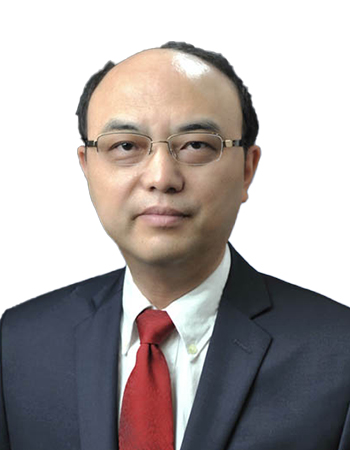 Wu Benquan
Chief Physician, Doctoral Supervisor, Head of Respiratory Rehabilitation Subspecialty
↗
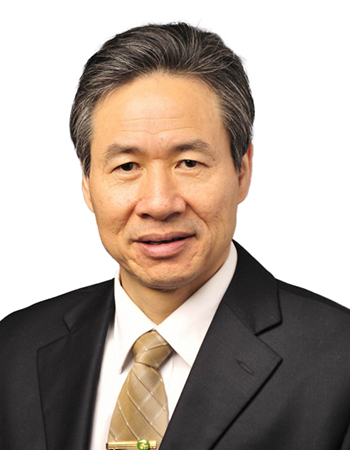 Liu Jinlai
Chief Physician, Doctoral Supervisor
↗
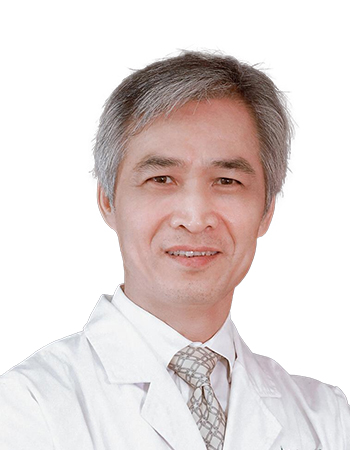 Rong Limin
Director of the Spinal Cord Injury Treatment Center, Level 2 Professor, Chief Physician, Doctoral Supervisor, Chief Scientist of the National Key Research and Development Program
↗
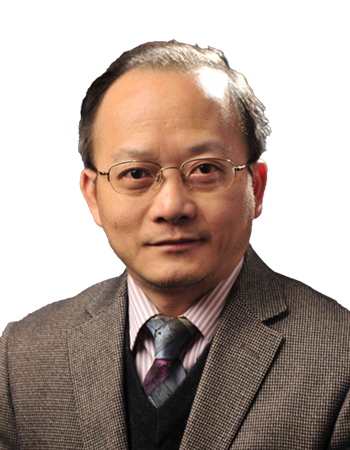 Zhou Hanjian
Director of the Cardiac Rehabilitation Center, Chief Physician, and Master's Supervisor
↗
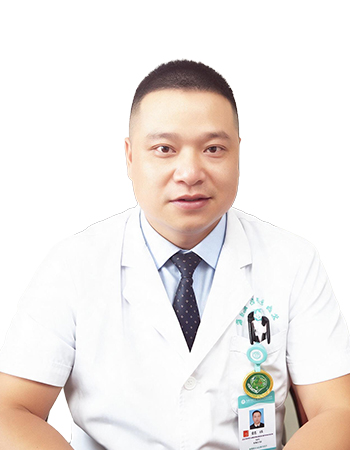 Yu Yong
Associate Chief Physician, Master's Supervisor
↗
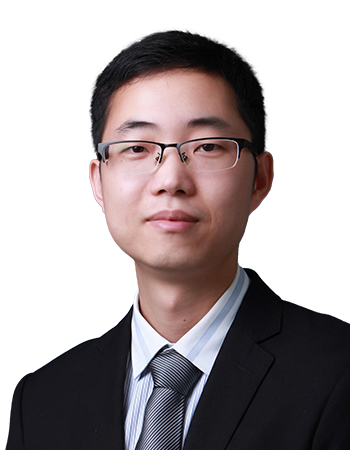 Zheng Haiqing
Professor, Chief Physician, Doctoral Supervisor
↗