
Patient records
Name: Hans
Age: 52 years old
Nationality: German
Diagnosis: Chronic alcoholic pancreatitis, multiple pancreatic duct stones, dilation of the main pancreatic duct (diameter >1cm), and intractable abdominal pain.
Treatment Hospital: Pancreatic Center, Ruijin Hospital Affiliated to Shanghai Jiao Tong University School of Medicine
For patients with chronic pancreatitis, the recurring, deep-seated abdominal pain is an indescribable torment. Hans's story tells how he ended years of pain in China using a non-surgical "endoscopic lithotripsy" technique.
1. A soul "hijacked" by pain
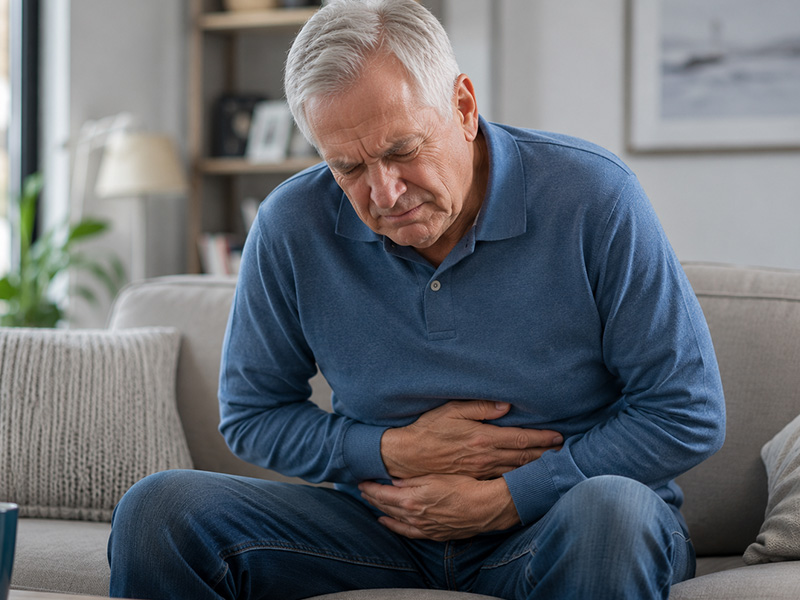
Hans, a mechanical engineer in Munich, has a long history of alcohol consumption. For the past five years, he has suffered from recurring, severe upper abdominal pain that often radiates to his back, preventing him from lying flat and forcing him to curl up. He was diagnosed with chronic pancreatitis, and CT and MRCP scans revealed that his main pancreatic duct was filled with stones, causing severe dilation of the duct, obstructing pancreatic juice drainage, and increasing pressure, which was the root cause of his pain.
In Germany, he tried various painkillers, from nonsteroidal anti-inflammatory drugs to strong opioids, but their effectiveness decreased, and he developed a severe dependence on them. Doctors recommended surgery, including pancreatotomy to remove stones and pancreaticojejunostomy, but the surgery was invasive and risky, so he hesitated.
2. Our Value: Finding a minimally invasive solution for endoscopic lithotripsy between painkillers and major surgery.
Hans learned through the international pancreatic disease support community that China is a world leader in the treatment of pancreatic duct stones in chronic pancreatitis using extracorporeal shock wave lithotripsy (ESWL) combined with ERCP. This is a minimally invasive procedure that requires no open surgery.
After systematically reviewing his imaging data, our medical case manager structurally annotated key features such as the size, location, and density of the stones. Based on this clear imaging summary, the attending specialist confirmed during the consultation that his stones were an ideal indication for ESWL (Extracorporeal Shrinkage Ligamentation). Following this, we did three things for him:
First, precise matching and treatment plan planning. We matched him with a center in China that has the largest number of ESWL cases in pancreatic diseases globally—the Pancreatic Center of Ruijin Hospital affiliated with Shanghai Jiao Tong University School of Medicine. During the remote consultation, the experts planned a three-step plan for him: First, under anesthesia, extracorporeal shock wave lithotripsy (ESWL) was performed, using high-energy shock waves through the skin to break large stones in the pancreatic duct into smaller stones; second, ERCP was performed immediately to remove the broken stones with a basket; third, if necessary, a pancreatic duct stent was placed to drain pancreatic fluid and prevent recurrence.
Secondly, comprehensive support and pain management. After Hans arrived in China, our German-speaking coordinator accompanied him throughout his several ESWL and ERCP treatments. The treatment process was gradual, and his pain was relieved after each treatment. The coordinator also helped him communicate with Chinese experts to develop a scientific opioid tapering plan to help him gradually wean off drug dependence.
Third, post-diagnosis services and follow-up. We established a "Remote Follow-up Record after Chronic Pancreatitis Surgery" for him, with the core task of monitoring pain control, pancreatic duct patency, and pancreatic function. We collect his pain score, analgesic usage, and indicators such as blood glucose and digestive enzymes through remote follow-up every month. Every six months, we coordinate for him to undergo MRCP in Munich and send the images back to China for evaluation.
3. Therapeutic Effects and Insights
After several ESWL and ERCP treatments, Hans' pancreatic duct stones were largely cleared, and his main pancreatic duct became patent again. His abdominal pain subsided significantly, and he successfully weaned himself off opioid painkillers. In an email to us, he wrote: "Thank you for ending my five-year nightmare. You showed me that chronic pancreatitis doesn't have to be surgical, and you don't have to rely on painkillers. You helped me regain a normal life and a long-lost peace."