
Eye, Ear, Nose and Throat Hospital Affiliated to Fudan University (Shanghai ENT Hospital) ✓ Certified partner hospital

Shanghai · Partner Hospital

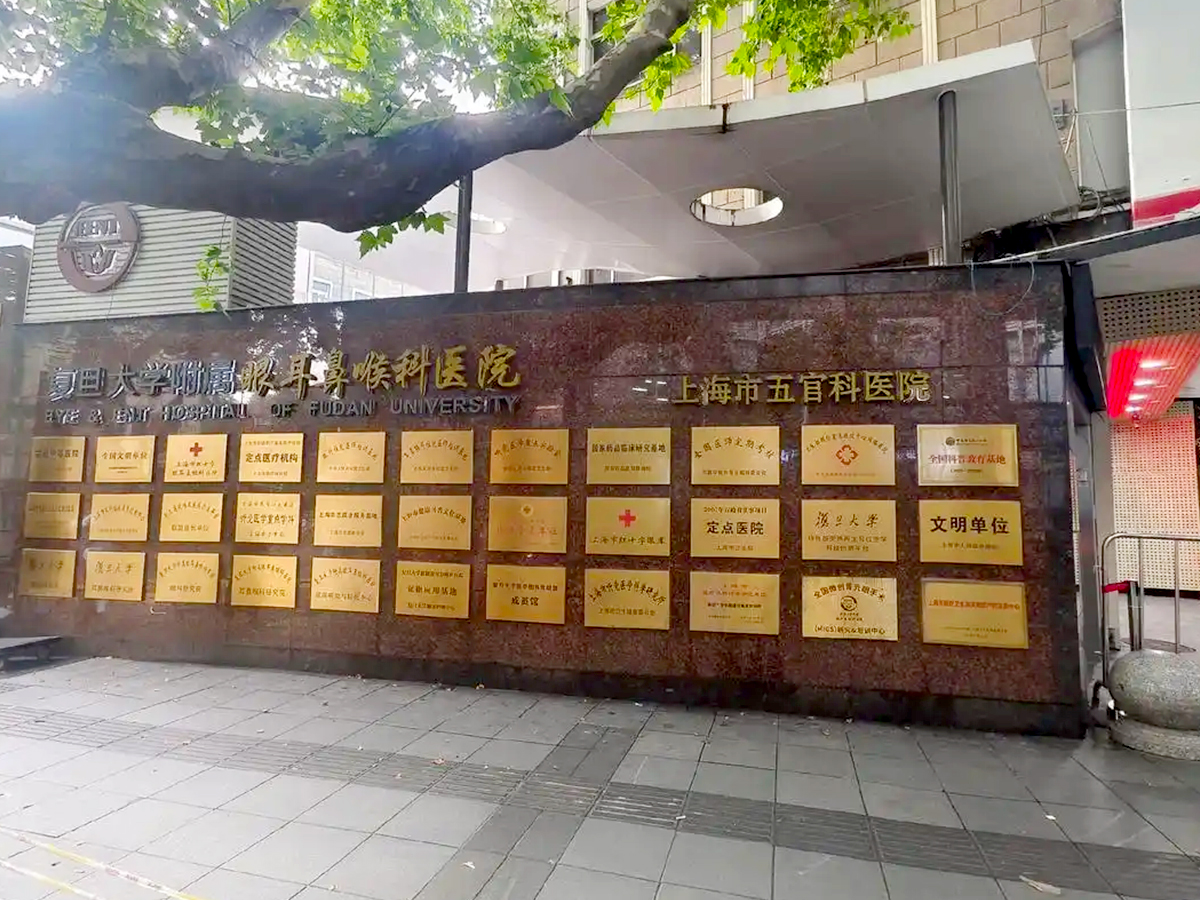
Eye, Ear, Nose and Throat Hospital Affiliated to Fudan University (Shanghai ENT Hospital)

The hospital's Department of Otolaryngology is a national key clinical specialty and a national quality control center for otolaryngology-head and neck surgery, consistently ranking first in the national specialty rankings for over ten years. The Department of Ophthalmology is a key discipline of the Ministry of Education and a national key clinical specialty, consistently ranking among the top three in China and first in East China in the ranking of best hospital specialties for over ten years. The hospital is one of the world's largest centers for the diagnosis, treatment, and research of otolaryngological-head and neck diseases.

ENT
Request Hospital Matching

Hospital Introduction

1. Historical Origins and Spiritual Inheritance

The Eye, Ear, Nose and Throat Hospital Affiliated to Fudan University is the first specialized eye, ear, nose and throat hospital established in New China. Founded in 1952 by national first-class professors Hu Maolian and Guo Bingkuan, it is the only Grade III Class A eye, ear, nose and throat hospital directly under the National Health Commission. The hospital has always adhered to the motto of integrity, unity, pragmatism, and innovation. From Professors Hu Maolian and Guo Bingkuan, the founders of otolaryngology and ophthalmology in China, to Professor Wang Zhengmin, the father of domestically produced cochlear implants and an academician of the Chinese Academy of Sciences, generations of ENT specialists have upheld the hospital's principles. It now boasts a dual-wing development pattern: the Fenyang and Pujiang campuses form the clinical medical wings, the Baoqing Road branch's Optometry Center and the Yaohua Road branch's Day Surgery Center form the specialized disease center demonstration wings, and the Shaanxi South Road Science and Technology Innovation Center further strengthens this. The goal is to build a first-class specialized eye, ear, nose and throat hospital with international influence and an Asian medical center for ENT diseases.

2. Overall Scale and Hardware Capabilities

The hospital has an approved capacity of 894 beds, with 755 actually in operation. It currently has 2009 employees, including 1 academician of the Chinese Academy of Sciences, 6 recipients of the National Science Fund for Distinguished Young Scholars, 4 recipients of the National Science Fund for Excellent Young Scholars, 63 doctoral supervisors, and 60 master's supervisors. The hospital possesses high-level research platforms such as the National Health Commission Key Laboratory of Hearing Medicine, the Chinese Academy of Medical Sciences Innovation Unit for Endoscopic Nasal Skull Base Tumor Surgery, and the Shanghai Key Laboratory for Rare Disease Gene Editing and Cell Therapy (under construction), and has established research-oriented wards.

3. National Ranking and Authoritative Certification

The hospital's Department of Otolaryngology is a national key clinical specialty and a national quality control center for otolaryngology-head and neck surgery, consistently ranking first in the national specialty rankings for over ten years. The Department of Ophthalmology is a key discipline of the Ministry of Education and a national key clinical specialty, consistently ranking among the top three in China and first in East China in the ranking of best hospital specialties for over ten years. The hospital is one of the world's largest centers for the diagnosis, treatment, and research of otolaryngological-head and neck diseases.

4. Core Business Data

By 2025, the hospital's outpatient and emergency services will have exceeded 3.44 million visits, and surgeries will have exceeded 148,000, with medical services reaching all parts of the country. The Department of Otolaryngology will have approximately 700,000 outpatient visits and more than 15,000 surgeries annually; the Department of Ophthalmology will have approximately 1.4 million outpatient visits and more than 95,000 surgeries annually. The hospital's landmark achievements include a cover article in The Lancet and the world's first clinical trial of gene therapy for congenital deafness.

5. MDT Multidisciplinary Collaboration System

The hospital has established a multidisciplinary collaborative diagnosis and treatment model for complex diseases such as ear and skull base surgery, nasal and skull base surgery, head and neck tumors, fundus diseases, glaucoma, and orbital and eye tumors. Relying on medical-engineering integration platforms such as gene therapy and surgical robots, it provides one-stop diagnosis and treatment services for patients with difficult diseases of the five senses. It has also built a research-oriented ward to promote the clinical translation of innovative drugs and gene and cell therapies.

6. International and Foreign-Related Medical Treatment System

With its leading technology, the hospital safeguards the visual and auditory well-being of patients worldwide. In 2026, my country's first C909 aircraft dedicated to ENT health arrived in Vientiane, Laos, marking the first stop of the "Air Health Silk Road" for overseas public welfare medical services. It provides Lao people with screening, surgical treatment, personnel training, and material donations for eye, ear, nose, and throat diseases. Its international academic influence continues to improve, benchmarking against the Johns Hopkins University Otolaryngology Head and Neck Surgery Center and Ophthalmology Center in the United States.

Key Departments

Explore the Clinical Focus and Capabilities of This Hospital's Key Departments

Select a department to view its full profile.

Department Profile

Otolaryngology (ENT)

It is a national key discipline and a national key clinical specialty; the Department of Otolaryngology-Head and Neck Surgery has been ranked first in the country for many consecutive years in the Fudan University Specialty Reputation List; it is a national-level referral center for difficult cases in ear and skull base surgery, cochlear implants, nasal and skull base surgery, head and neck tumors, and genetic therapy for hereditary deafness; it is benchmarked against the Johns Hopkins Otolaryngology-Head and Neck Surgery Center in the United States.


The Eye, Ear, Nose and Throat Hospital Affiliated to Fudan University is the first specialized eye, ear, nose and throat hospital in New China. Founded in 1952 by national first-class professors Hu Maolian and Guo Bingkuan, it is the only Grade III Class A eye, ear, nose and throat hospital directly under the National Health Commission. The hospital adheres to the motto of "Integrity, Unity, Pragmatism, and Innovation," aiming to become "a first-class specialized eye, ear, nose and throat hospital with international influence and an Asian medical center for ENT diseases." From Professors Hu Maolian and Guo Bingkuan, the founders of ENT and ophthalmology in China, to Professor Wang Zhengmin, the father of domestically produced cochlear implants and an academician of the Chinese Academy of Sciences, generations of ENT professionals have consistently upheld the hospital's motto and principles, practicing them diligently in every aspect of their work, from treating patients to conducting scientific research. It has now formed a "one hospital, two wings" development pattern - the Fenyang Campus and the Pujiang Campus constitute the two wings of clinical medical care, the Baoqing Road Branch Optometry Center and the Yaohua Road Branch Day Surgery Center form the two wings of specialized disease centers, and the Shaanxi South Road Science and Technology Innovation Center serves as a source of innovation.


Core business operational efficiency:


The hospital has 894 approved beds, with 755 actually in use. It currently has 2009 employees, including 1 academician of the Chinese Academy of Sciences, 6 recipients of the National Science Fund for Distinguished Young Scholars, 4 recipients of the National Science Fund for Excellent Young Scholars, 63 doctoral supervisors, and 60 master's supervisors. In 2024, the hospital saw over 3.29 million outpatient and emergency visits and performed over 193,000 surgeries, its medical reach extending throughout the country. The Department of Otolaryngology comprises five tertiary departments: Hearing and Speech Disorders, Neurosacral Surgery, Head and Neck Surgery, Rhinology, the Integrated Traditional Chinese and Western Medicine Rhinology Center, and Laryngology. It sees approximately 700,000 outpatient visits and performs over 15,000 surgeries annually.


Discipline Positioning and Core Strengths:


The hospital's Department of Otolaryngology is a national key clinical specialty and a national quality control center for otolaryngology-head and neck surgery. Its reputation has ranked first among national specialty rankings for over ten consecutive years, and it is one of the world's largest centers for the diagnosis, treatment, and research of otolaryngological-head and neck diseases. Its core advantages can be summarized as a four-dimensional integration: the historical foundation of the first specialized ENT hospital in New China × the world's first gene therapy for deafness and specialized surgical robots × international leadership in auditory medicine and nasal-cranial-base surgery × a complete industry-academia-research transformation through medical-engineering integration. The hospital boasts high-level research platforms, including the National Health Commission Key Laboratory of Hearing Medicine, the Chinese Academy of Medical Sciences' Innovative Unit for Endoscopic Nasal Skull Base Tumor Surgery, and the Shanghai Key Laboratory for Rare Disease Gene Editing and Cell Therapy (in preparation). It has also established research-oriented wards. Its landmark achievements include a Lancet cover article and the world's first clinical trial of gene therapy for congenital deafness.

Hospital Specialists

8

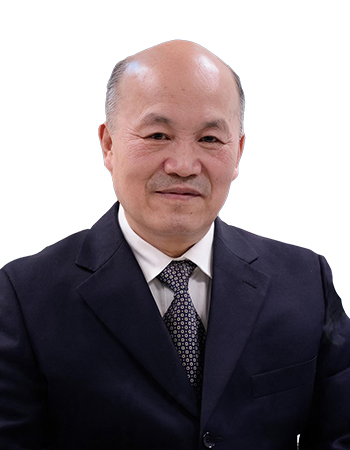
Xu Gezhi Xu Gezhi Chief Physician, Professor, Doctoral Supervisor, Former Director of Ophthalmology
ENT
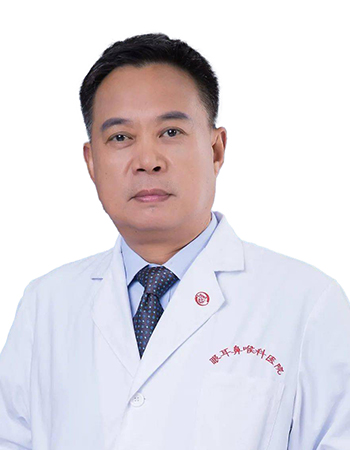
Chu Renyuan Chu Renyuan Chief Physician, Professor, Doctoral Supervisor, Founder of Ocular Genetics
ENT
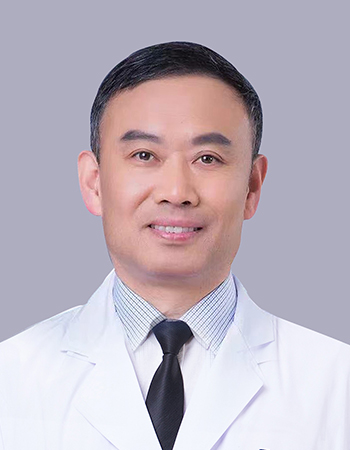
Li Huawei Li Huawei Chief Physician, Dr., and Doctoral Supervisor. Director of the Department of Otolaryngology and Research Institute at the Eye, Ear, Nose and Throat Hospital affiliated with Fudan University
ENT
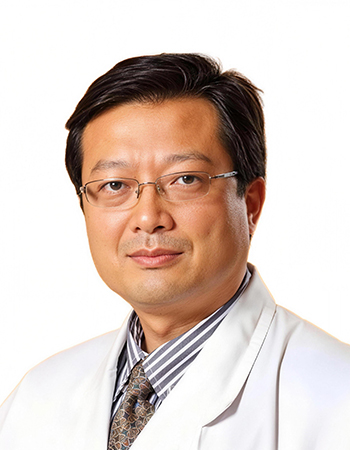
Wang Dehui Wang Dehui Chief Physician, Dr., and Doctoral Supervisor. Currently serving as Vice President of the Eye, Ear, Nose and Throat Hospital affiliated with Fudan University
ENT
Wu Haitao Wu Haitao Chief Physician, MD, PhD, Doctoral Supervisor, Dr.. Vice President of the Department of Otolaryngology, Eye, Ear, Nose and Throat Hospital Affiliated to Fudan University, and Deputy Director of the Department of Otolaryngology
OncologyENT
Tao Lei Tao Lei Doctor of Medicine, Chief Physician, Dr., and Doctoral Supervisor. Vice President of the Department of Otolaryngology, Deputy Director of the Department of Otolaryngology, and Director of the Department of Head and Neck Surgery at the Eye, Ear, Nose and Throat Hospital Affiliated to Fudan University
ENTOncology
Shu Yilai Shu Yilai Vice President of the Eye, Ear, Nose and Throat Hospital Affiliated to Fudan University and Director of the Center for the Diagnosis and Treatment of Hereditary Deafness
ENT
Zhou Xingtao Zhou Xingtao Chief Physician, Dr., Doctoral Supervisor, President and Deputy Party Secretary of the Eye, Ear, Nose and Throat Hospital Affiliated to Fudan University, and Director of the Shanghai Eye and Vision Research Center
ENT

Next Step

Is this hospital right for you?

Submit diagnosis, treatment history, and goals; hospitals and specialists recommend a formal case assessment.

Contact our service team