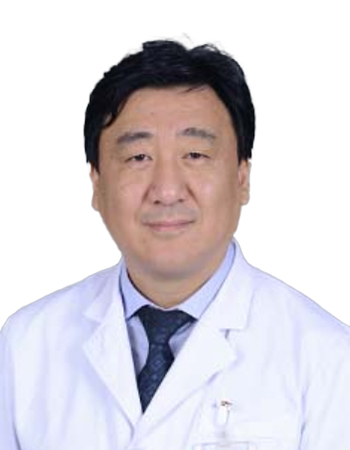
Professor , specializing in colorectal cancer screening and neuroendocrine tumors
Gastroenterology
Research areas: carcinogenesis mechanisms, clinical screening and prevention of colon polyps and colorectal cancer; neuroendocrine tumors of the gastrointestinal pancreas. Cutting-edge technology: Long-term research on the treatment of colon polyps and the screening, prevention, and carcinogenesis mechanisms of colorectal cancer (Visiting Scholar at Massachusetts General Hospital, Harvard Medical School). Led the compilation of national expert consensus on neuroendocrine tumors and gastrointestinal mucosa
 Affiliated Hospital
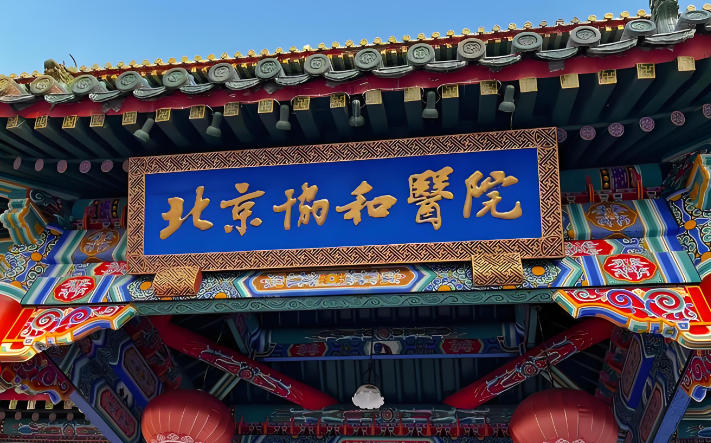
Peking Union Medical College Hospital, Chinese Academy of Medical Sciences
→
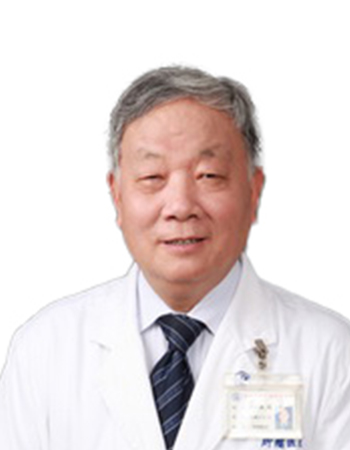
Chief Physician, Professor, Founder of the Discipline
Gastroenterology
Research areas : Basic and clinical research on pancreatic tumors, comprehensive treatment of advanced pancreatic cancer; Cutting-edge technology: Establishment of a multidisciplinary diagnosis and treatment system for pancreatic cancer; Areas of expertise: Pancreatic cancer, ampullary cancer, and tumors at the bile duct-pancreatic junction; Academic highlights: A leading authority on pancreatic tumors in China, and Director of the Academic Committee of the Shanghai Pancreatic Tumor Institute; Core values
 Affiliated Hospital
Fudan University Cancer Hospital
→
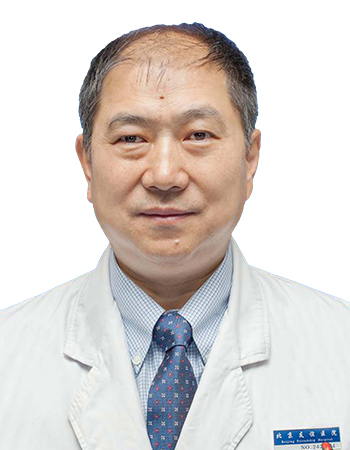
Professor – Specializing in Interventional Digestive Endoscopy
Gastroenterology
Research areas: Endoscopic interventional (minimally invasive) diagnosis and treatment of digestive diseases, including endoscopic diagnosis and treatment of early gastrointestinal cancers, pancreatic and biliary diseases, and gastrointestinal bleeding. Cutting-edge technology: Proficient in interventional (minimally invasive) endoscopic diagnosis and treatment of digestive tract cancers, with extensive experience in endoscopic treatment of early gastrointestinal cancers and pancreatic and biliary disease
 Affiliated Hospital
Beijing Friendship Hospital (Second Clinical Medical College), Capital Medical University
→
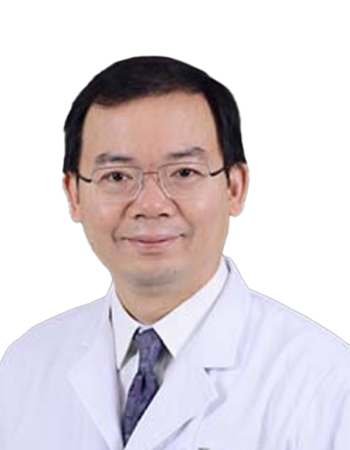
Specializing in Colorectal Tumor Surgery and Inflammatory Bowel Disease
Gastroenterology
Research areas: Surgical treatment of colorectal tumors and surgical treatment of inflammatory bowel disease. Cutting-edge technology: Participated in laparoscopic minimally invasive surgery for colorectal cancer and surgical treatment of inflammatory bowel disease in the professional group, and participated in multiple national multicenter clinical studies. Specializes in treating: colorectal cancer, inflammatory bowel disease (Crohn's disease, ulcerative colitis), and intestinal obstruction. Academic Hi
Affiliated Hospital
Peking Union Medical College Hospital, Chinese Academy of Medical Sciences
→
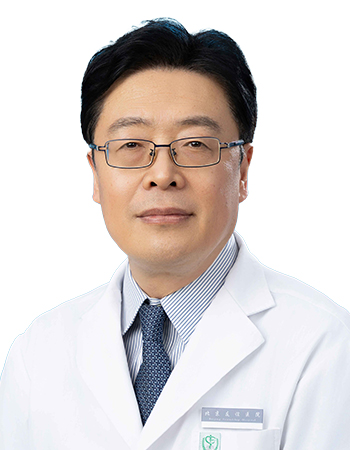
Chief Physician, Professor, Director of the Digestive Center
Gastroenterology
Research areas : early gastrointestinal cancer, endoscopic ultrasound (EUS), pancreatic and biliary diseases; Cutting-edge technology: EUS for precise diagnosis of pancreatic tumors and intramural lesions of the gastrointestinal tract; Areas of expertise: early esophageal/gastric cancer, pancreatic lesions, common bile duct stones; Academic highlights: Dean of the School of Digestive Health, Capital Medical University; Core value: Establishing standardized clinical pathways for early gastrointestinal canc
Affiliated Hospital
Beijing Friendship Hospital (Second Clinical Medical College), Capital Medical University
→
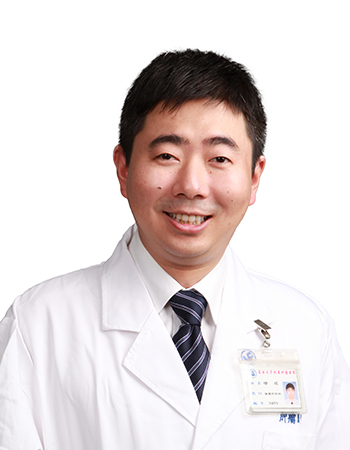
Chief Physician, Professor
Gastroenterology
Research Areas : Neoadjuvant conversion therapy for pancreatic cancer, peritoneal metastasis of pancreatic cancer; Cutting-edge Technology: Neoadjuvant therapy for pancreatic cancer + HIPEC (hyperthermic intraperitoneal perfusion) combined regimen; Areas of Expertise: Locally advanced pancreatic cancer, peritoneal metastasis of pancreatic cancer, periampullary cancer; Academic Highlights: Key expert in pancreatic cancer conversion therapy; Core Value: Improved screening criteria for conversion surgery in
Affiliated Hospital
Fudan University Cancer Hospital
→
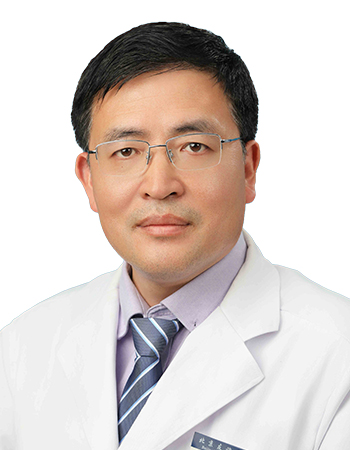
Chief Physician, Professor
Gastroenterology
Research areas : ERCP, complex biliary and pancreatic diseases, gastrointestinal stent treatment; Cutting-edge technologies: complex and difficult ERCP, endoscopic drainage of pancreatic and biliary obstruction; Areas of expertise: Giant common bile duct stones, benign and malignant biliary and pancreatic strictures, chronic pancreatitis; Academic highlights: Leading domestic ERCP training expert; Core value: Perfecting endoscopic minimally invasive stepwise treatment plans for complex pancreatic and bili
Affiliated Hospital
Beijing Friendship Hospital (Second Clinical Medical College), Capital Medical University
→
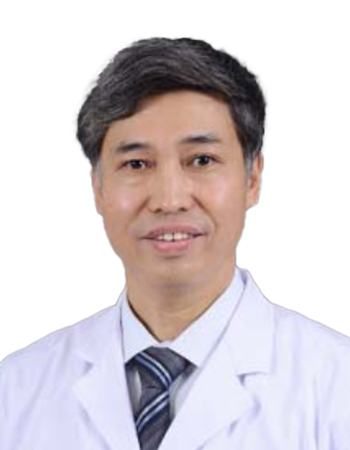
Professor , Chief Physician of General Surgery, Professor, and Doctoral Supervisor.
Gastroenterology
Research areas: Clinical and basic research in pancreatic surgery, and optimization of minimally invasive treatment and multidisciplinary team (MDT) models for pancreatic cancer. Cutting-edge technology: Long-term clinical and basic research in pancreatic surgery, specializing in the surgical diagnosis and treatment of pancreatic, gastrointestinal, biliary, and thyroid diseases, especially pancreatic diseases. Headed the Pancreatic Disease Consultation Center at Peking Union Medical College Hospital, prom
Affiliated Hospital
Peking Union Medical College Hospital, Chinese Academy of Medical Sciences
→
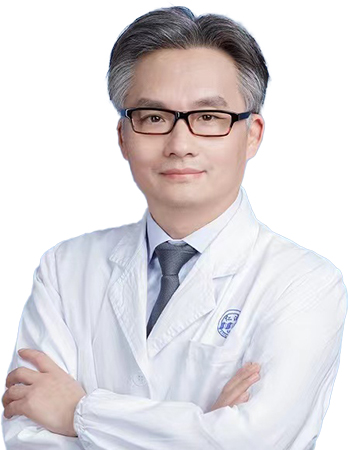
Distinguished Professor, Level 2 Professor, Chief Physician, Doctoral Supervisor at Shanghai Jiao Tong University; Director of the Department of Gastroenterology at Renji Hospital; Deputy Director of the Shanghai Institute of Digestive Diseases.
Gastroenterology
Research Areas : Clinical diagnosis and treatment and immunological research of autoimmune liver diseases, focusing on the regulatory mechanisms of the liver immune microenvironment and autoimmune responses. Cutting-Edge Technologies: Led the drafting of China's first consensus report on autoimmune hepatitis, and was a major contributor to the drafting of three other consensus reports; participated in initiating a renaming initiative for PBC that received international support. Areas of Expertise: Autoimm
 Affiliated Hospital
Renji Hospital Affiliated to Shanghai Jiao Tong University School of Medicine
→
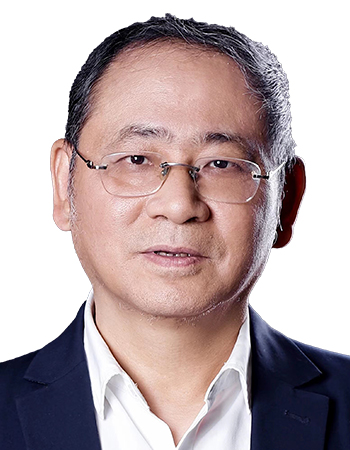
Chief Physician, Professor, Doctoral Supervisor, Chief Expert of Renji Hospital
Gastroenterology
Deputy Director of the Department of Gastroenterology and Director of the Endoscopy Center; Deputy Director of the Shanghai Institute of Digestive Diseases. Research Areas : Endoscopic diagnosis and treatment of various digestive tract diseases, especially complex small bowel diseases such as unexplained gastrointestinal bleeding. Cutting-edge Technologies: Pioneered the establishment of a subspecialty in endoscopic diagnosis and treatment of early digestive tract cancers in China; pioneered EMR and ESD t
Affiliated Hospital
Renji Hospital Affiliated to Shanghai Jiao Tong University School of Medicine
→
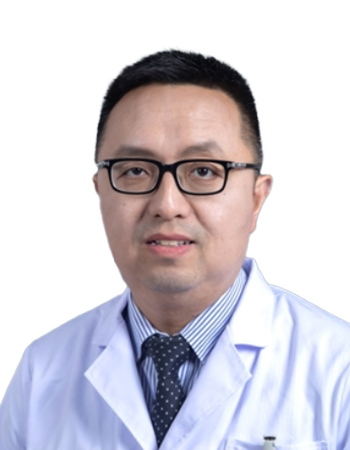
Chief Physician, Professor, Doctoral Supervisor, Vice President of Peking Union Medical College Hospital
Gastroenterology
-Research areas : Pancreatic diseases, digestive endoscopy, complex biliary and pancreatic diseases; - Technical expertise: ERCP, EUS, endoscopic drainage of complex biliary tract diseases; - Areas of expertise: Chronic pancreatitis, autoimmune pancreatitis, biliary obstruction, pancreatic cystic disease; - Academic Highlights & Core Values: A renowned expert in the field of pancreatic diseases in China, leading multi-center clinical research on pancreatic diseases and promoting minimally invasive endosco
Affiliated Hospital
Peking Union Medical College Hospital, Chinese Academy of Medical Sciences
→
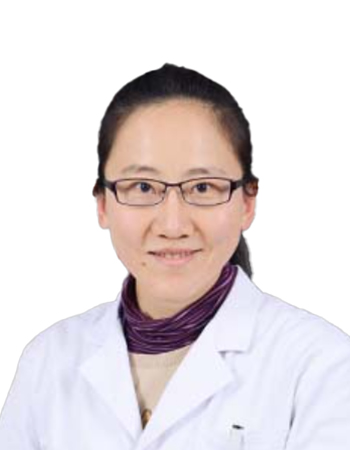
Chief Physician of General Surgery, Doctor of Medicine, Associate Professor, Master's Supervisor
Gastroenterology
Research areas: Surgical treatment of rectal cancer, colon cancer, gastric cancer, and inflammatory bowel disease; specializing in laparoscopic gastrointestinal tumor surgery. Cutting-edge technology: Primarily skilled in the surgical treatment of rectal cancer, colon cancer, gastric cancer, inflammatory bowel disease, and presacral cysts, with expertise in laparoscopic gastrointestinal tumor surgery. Extensive experience in sphincter-preserving surgery for low rectal cancer. Diseases specializing in: rec
Affiliated Hospital
Peking Union Medical College Hospital, Chinese Academy of Medical Sciences
→
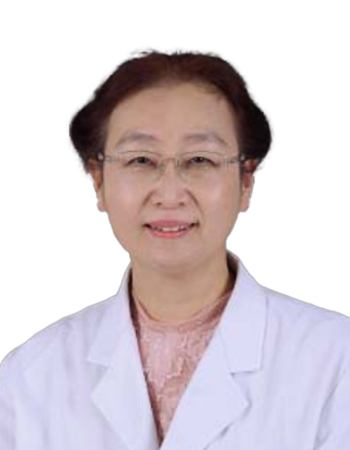
Professor , specializing in gastrointestinal surgery and nutritional metabolism
Gastroenterology
Research areas: General surgery, gastrointestinal surgery and nutrition and metabolism; clinical and basic research related to parenteral and enteral nutrition, including tumor and nutritional immunology, parenteral and enteral nutrition and gastrointestinal motility research, nutritional screening and standardization for elderly patients, weight loss and surgical treatment of diabetes and related hormone metabolism mechanisms, etc. Cutting-edge technologies: Among the first in China to perform radical ga
Affiliated Hospital
Peking Union Medical College Hospital, Chinese Academy of Medical Sciences
→
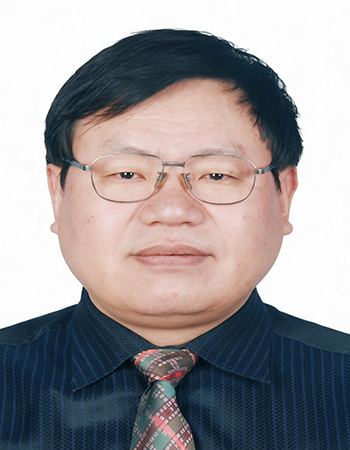
Associate Chief Physician and Associate Professor of General Surgery
Gastroenterology
Research areas: general surgery and surgical treatment of anal diseases. Cutting-edge technology: Since 2000, we have been conducting special research and surgical treatment of anal diseases. We have treated more than a thousand cases of severe hemorrhoids using the PPH (Procedure for Prolapse and Hemorrhoidal Pad Suspension) technique, accumulating rich experience and exchanging our knowledge at international conferences on many occasions. Areas of expertise: Severe prolapsed mixed hemorrhoids, circumfer
Affiliated Hospital
Peking Union Medical College Hospital, Chinese Academy of Medical Sciences
→
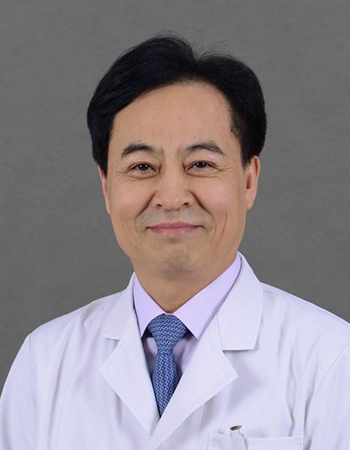
Honorary President of Peking Union Medical College Hospital, DR. of the Chinese Academy of Sciences, Dr. of Surgery, Doctoral Supervisor, and recipient of the State Council Special Allowance. Currently serving as President of the Chinese Medical Association, Chairman of the Surgical Branch, Head of the National Pancreatic Surgery Group
Gastroenterology
Specializes in the diagnosis and treatment of various basic surgical diseases; particularly skilled in the surgical diagnosis and treatment of pancreatic, biliary, gastrointestinal, and thyroid diseases, especially pancreatic diseases. With over forty years of medical experience, he has worked on the front lines of clinical practice, research, and teaching in general surgery, conducting comprehensive basic and clinical research on pancreatic cancer and achieving systematic and pioneering results. He propo
Affiliated Hospital
Peking Union Medical College Hospital, Chinese Academy of Medical Sciences
→
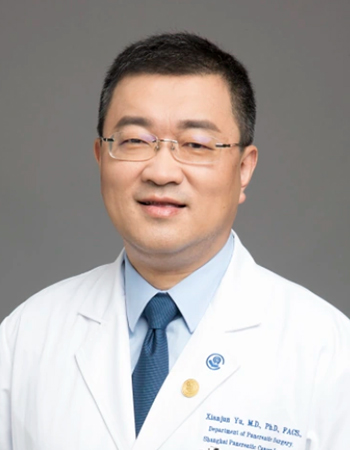
Chief Physician, Level 2 Dr., Doctoral Supervisor in both Surgery and Oncology. Currently serves as President of Fudan University Cancer Hospital
Gastroenterology
President of Shanghai Proton and Heavy Ion Center, Director of Shanghai Pancreatic Tumor Research Institute, Director of Shanghai Key Laboratory of Precision Diagnosis and Treatment of Pancreatic Tumors, and Director of the Clinical Research Center and Phase I Clinical Center of Fudan University Cancer Hospital. Chairman of the Pancreatic Cancer Professional Committee of the Chinese Anti-Cancer Association, recipient of the State Council Special Allowance, National Science Fund for Distinguished Young Sch
Affiliated Hospital
Fudan University Cancer Hospital
→
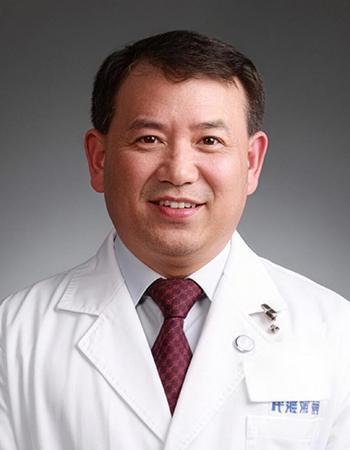
Chief Physician, Dr., Doctoral Supervisor, Director of the Department of Colorectal Surgery at Fudan University Cancer Hospital, and Director of the Fudan University Colorectal Cancer Diagnosis and Treatment Center.
OncologyGastroenterology
Chief Expert of the Multidisciplinary Collaborative Group for Colorectal Cancer, Director of the Fudan University Colorectal Cancer Diagnosis and Treatment Center, Director of the Continuing Education Committee of the Chinese Clinical Oncology Collaboration Center, and Director of the Colorectal Cancer Professional Committee of the Shanghai Municipal Center for Disease Control and Prevention. He received a Mamadi Sodeva Memorial Funding Scholarship to visit the United States in 1987, obtained his Clinical
Affiliated Hospital
Fudan University Cancer Hospital
→
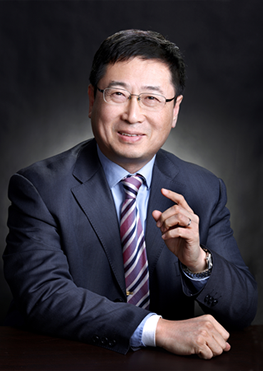
DR. of the Chinese Academy of Sciences, Dr., Chief Physician, and Doctoral Supervisor. Chair Dr. at Shanghai Jiao Tong University, Dean of the School of Gastroenterology, Shanghai Jiao Tong University School of Medicine
Gastroenterology
Director of the Gastroenterology Center of Renji Hospital, Executive President of Renji Anhui Hospital, Director of the Shanghai Institute of Digestive Diseases, Director of the Shanghai Clinical Quality Control Center for Gastroenterology, and Director of the National Health Commission Key Laboratory of Internal Medicine and Gastroenterology. He previously served as Vice President and Director of the Department of Gastroenterology at Renji Hospital for many years. He received his Ph.D. in Gastroenterolog
Affiliated Hospital
Renji Hospital Affiliated to Shanghai Jiao Tong University School of Medicine
→