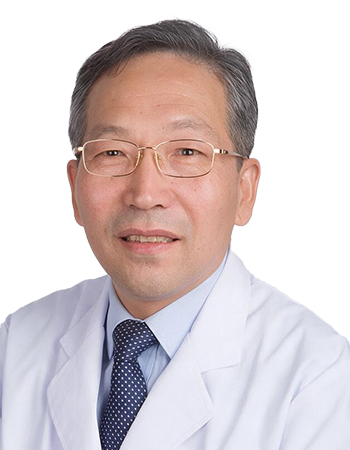
Chief Researcher, Qihuang Scholar, Director of the Cardiovascular Disease Research Institute
TCM & Acupuncture
Research areas : myocardial repair after myocardial infarction, atherosclerosis, chronic heart failure; Cutting-edge technologies: Qi-invigorating and blood-activating muscle-regenerating therapy for myocardial infarction, plaque-targeted regulation; Areas of expertise: coronary heart disease, myocardial infarction, chronic heart failure; Academic highlights: Principal investigator of a national key research and development project, multiple evidence-based studies have confirmed that traditional Chinese m
 Affiliated Hospital
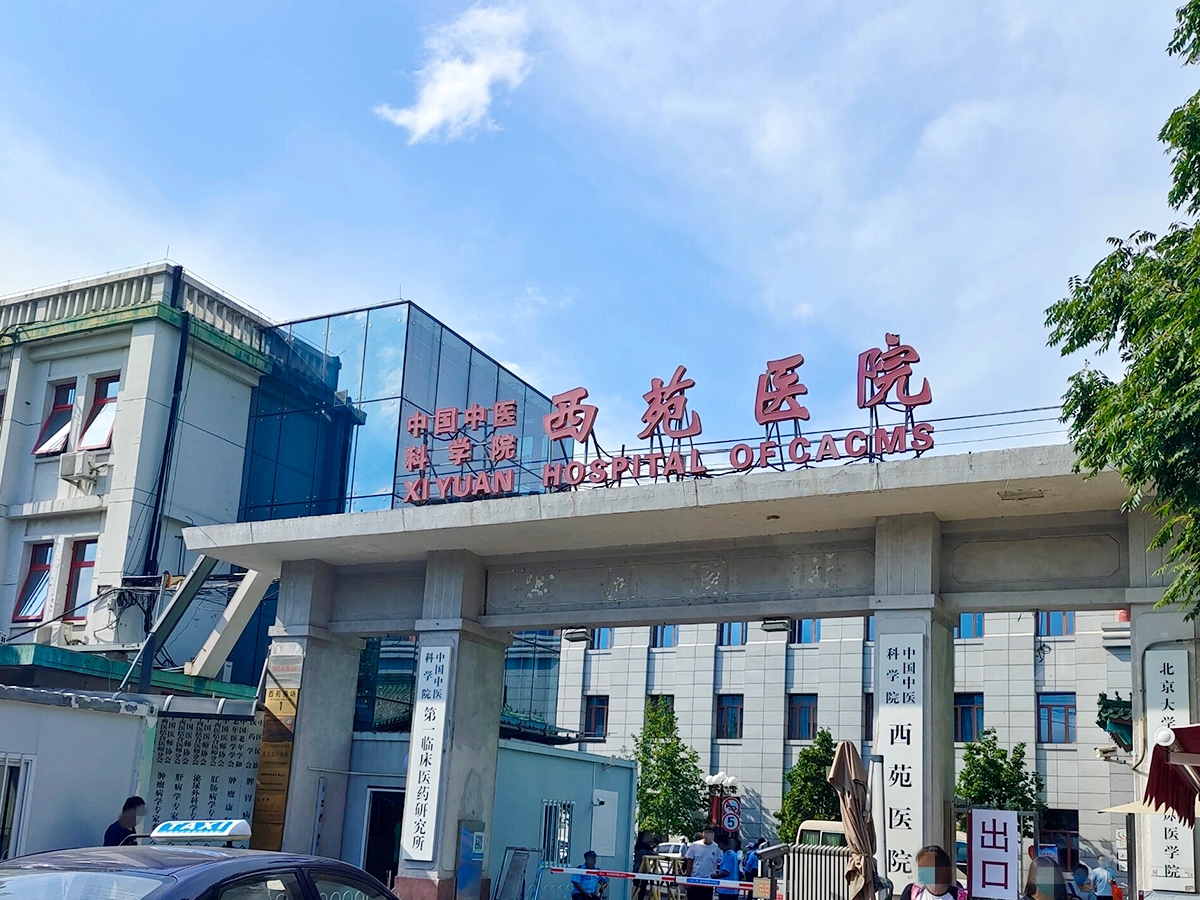
Xiyuan Hospital, China Academy of Chinese Medical Sciences (Xiyuan Hospital)
→
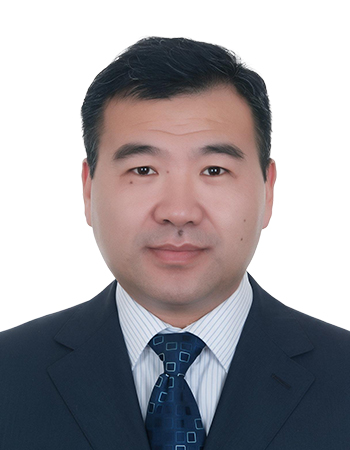
Chief Physician
TCM & Acupuncture
Research area : Personalized treatment of colorectal and anal diseases using integrated traditional Chinese and Western medicine. Specializes in treating: hemorrhoids, anal fistula, anal fissure, rectal prolapse, colorectal tumors, inflammatory bowel disease, radiation enteritis, irritable bowel syndrome, constipation, perianal skin diseases, rectovaginal fistula, and other anorectal and surgical diseases.
 Affiliated Hospital
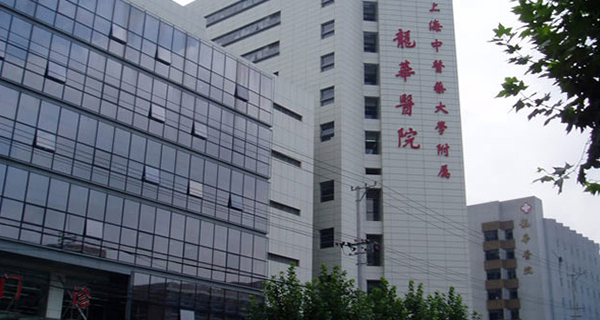
Longhua Hospital Affiliated to Shanghai University of Traditional Chinese Medicine
→
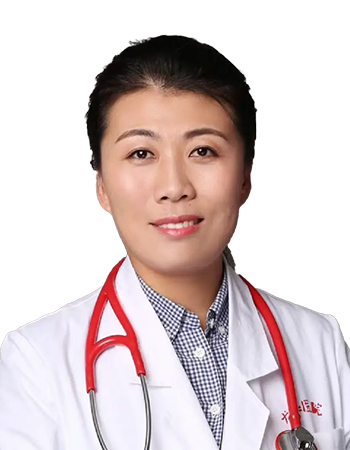
Chief Physician, Doctoral Supervisor, Director of the Department of Anorectal Surgery, and the Fifth Generation Successor of the Gu Family Surgery
TCM & Acupuncture
-Research areas : functional constipation, gut microbiota, complex anal fistula, pelvic floor dynamic disorders. - Cutting-edge technologies: Sacral nerve modulation therapy for defecation disorders; minimally invasive treatment combining sutures and VAAFT; research on the pathogenesis of constipation in traditional Chinese medicine. - Areas of expertise: intractable functional constipation, high-level complex anal fistula, pelvic floor defecation disorders, and chronic perianal wounds. - Academic Highlig
Affiliated Hospital
Longhua Hospital Affiliated to Shanghai University of Traditional Chinese Medicine
→
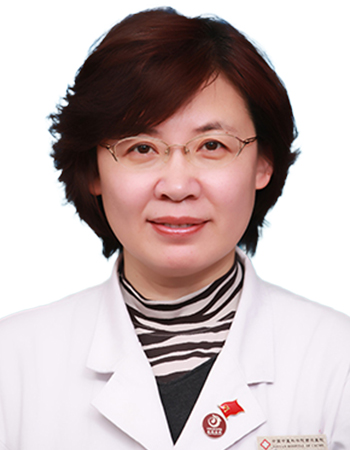
Professor , Deputy Director of Cardiovascular Department, specializing in Imperial Medicine and Palpitation Treatment
TCM & Acupuncture
Research areas: Imperial medicine, traditional Chinese medicine treatment of palpitations (arrhythmia), and research on Qing Dynasty imperial physician literature. Cutting-edge technology: Under the guidance of Academician Chen Keji, the three major official medical books of the Song Dynasty and the literature of imperial physicians of the Qing Dynasty were systematically organized. Based on the concept of "all diseases originate from the liver, and treating the liver is the first priority" of Tong Kuoqua
Affiliated Hospital
Xiyuan Hospital, China Academy of Chinese Medical Sciences (Xiyuan Hospital)
→
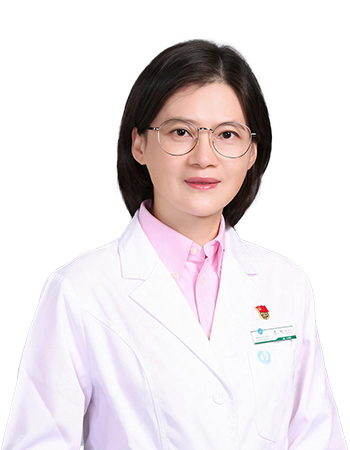
Chief Physician, Professor
TCM & Acupuncture
Research areas : metabolic diseases, obesity, diabetes; cutting-edge technologies: fire needle warming and breaking theory, combined acupuncture and drug therapy for metabolic diseases; Areas of expertise: Type 2 diabetes, hyperlipidemia, obesity; Academic highlights: Academic leader in the field of fire needle metabolic diseases; Core value: Building an integrated chronic disease management system that combines acupuncture and medication with lifestyle intervention for metabolic diseases.
 Affiliated Hospital
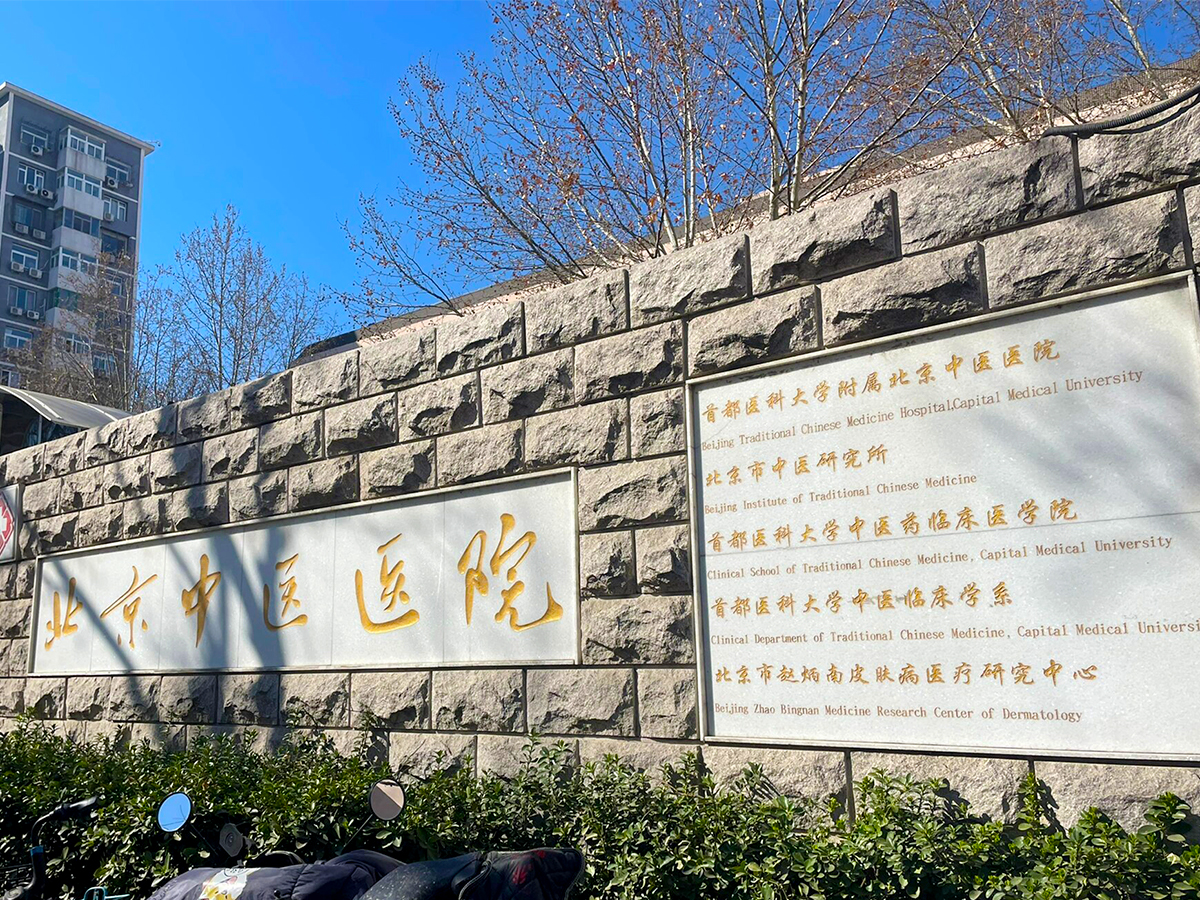
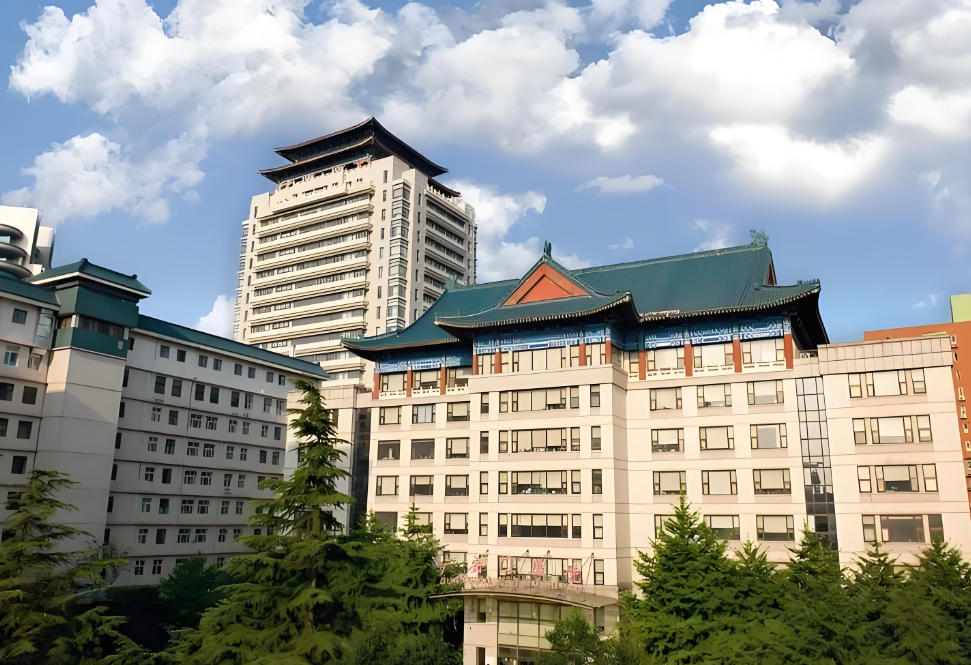
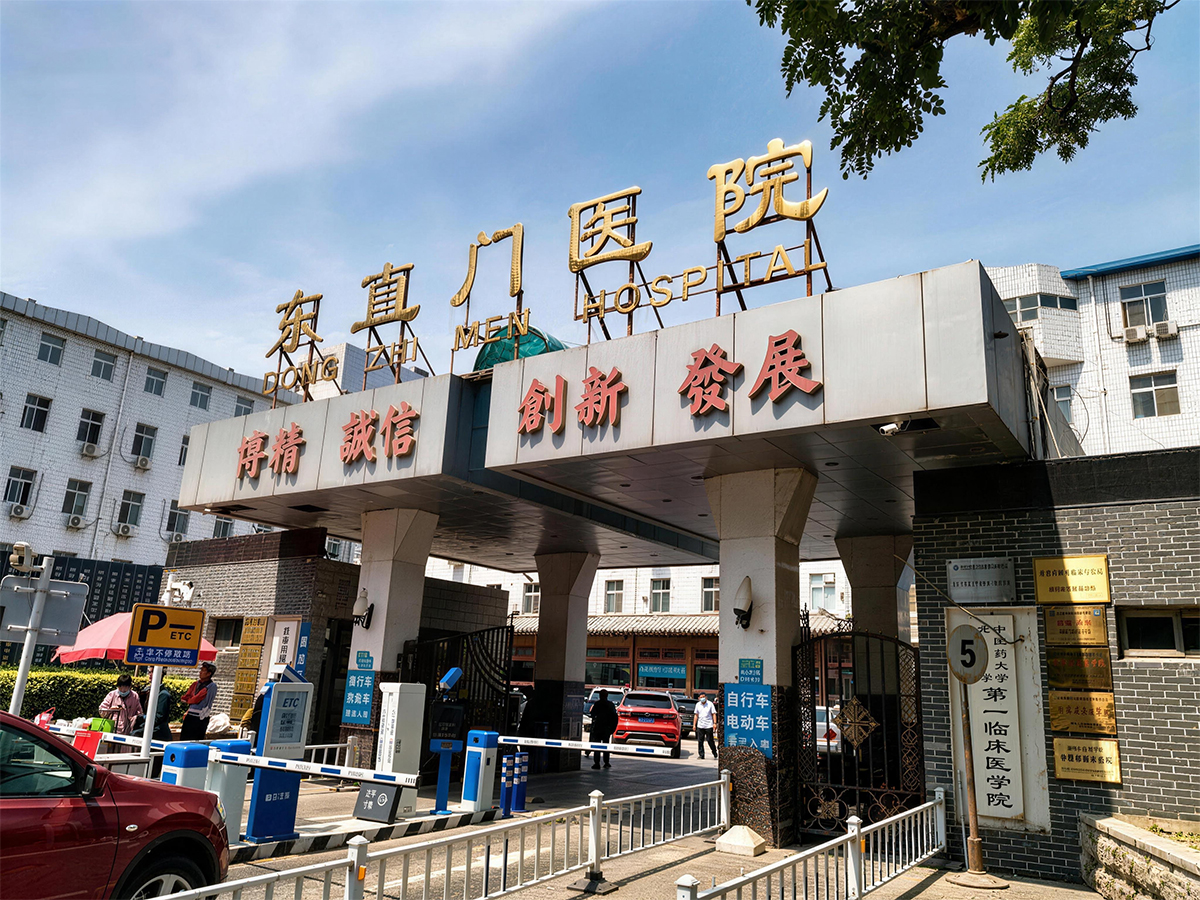
Beijing Hospital of Traditional Chinese Medicine (Clinical Medical College of Traditional Chinese Medicine), Capital Medical University
→
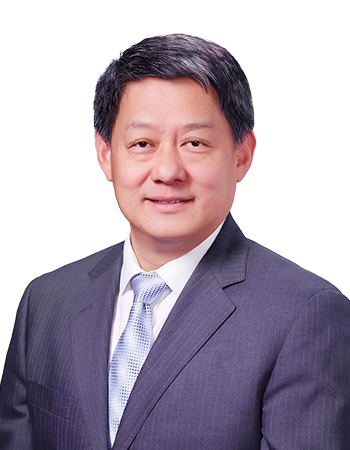
Chief Physician, Professor
TCM & Acupuncture
Research areas : Traditional Chinese medicine emergency care, infectious diseases, and respiratory critical care; Cutting-edge technologies: Traditional Chinese medicine epidemic disease theory, and integrated traditional Chinese and Western medicine treatment plans for sepsis. Areas of expertise: Severe pneumonia, sepsis, fever of unknown origin; Academic highlights: Head of the National Traditional Chinese Medicine Epidemic Prevention and Control Base; Core value: Establishing a TCM-based emergency care
Affiliated Hospital
Beijing Hospital of Traditional Chinese Medicine (Clinical Medical College of Traditional Chinese Medicine), Capital Medical University
→
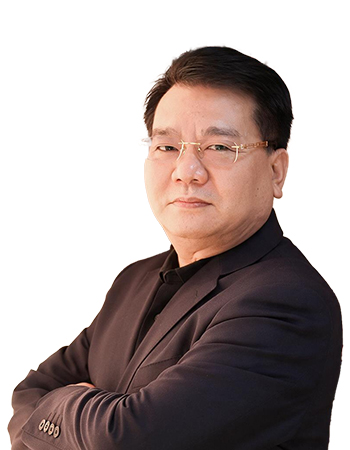
Chief Physician, Doctoral Supervisor, Specializing in Acupuncture for Brain Diseases
TCM & Acupuncture
Research areas : stroke complications, spastic paralysis, dysphagia; Cutting-edge technologies: optimization of acupuncture techniques for awakening the brain and opening the orifices, acupuncture program for post-stroke spasticity; Areas of expertise: post-stroke limb spasticity, dysphagia, shoulder-hand syndrome; Academic highlights: successor of Shi Xuemin's academic lineage; Core value: improvement of sequential acupuncture rehabilitation program for post-stroke sequelae.
 Affiliated Hospital
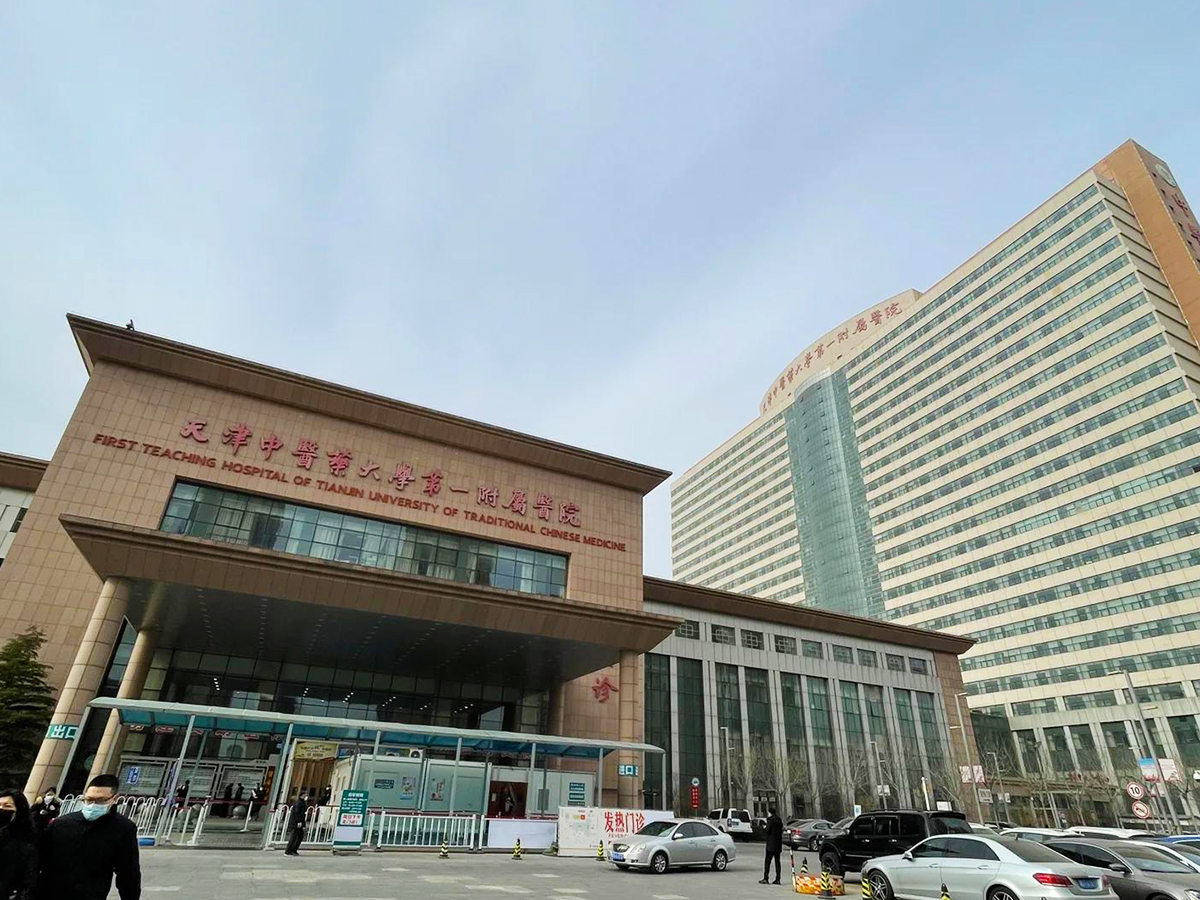
The First Affiliated Hospital of Tianjin University of Traditional Chinese Medicine
→
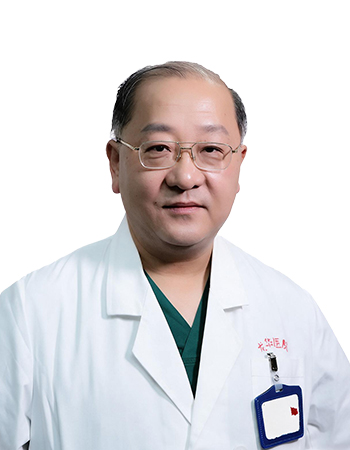
Chief Physician, Level 2 Professor, Doctoral Supervisor, Renowned Traditional Chinese Medicine Practitioner of Shanghai, and Fifth Generation Successor of the Gu Family Surgery School
TCM & Acupuncture
-Research areas : Traditional Chinese medicine prevention and treatment of hemorrhoids, perianal infections, pelvic floor disorders, and colorectal tumors. - Cutting-edge technologies: ligation and cutting of severe circumferential mixed hemorrhoids; staging and syndrome differentiation scheme for perianal necrotizing fasciitis; wound repair with Bai Shao ointment. - Areas of expertise: circumferential mixed hemorrhoids, perianal abscess, anal fistula, rectal prolapse, pelvic floor dysfunction. - Academic
Affiliated Hospital
Longhua Hospital Affiliated to Shanghai University of Traditional Chinese Medicine
→
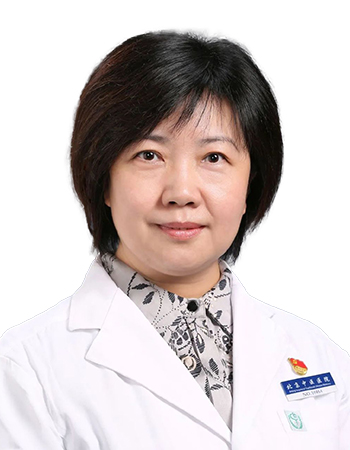
Doctor of Medicine, Chief Physician, Associate Professor, Master's Supervisor, Director of Dermatology.
TCM & Acupuncture
Research areas: Clinical diagnosis and treatment of psoriasis, bullous diseases, acne, and allergic skin diseases using traditional Chinese medicine; academic inheritance of the Zhao Bingnan School of Traditional Chinese Medicine Dermatology. Cutting-edge techniques: Having studied under renowned professors such as Zhang Zhili, Qu Xing, and Wang Jusheng, I am dedicated to the academic inheritance of the Zhao Bingnan School of Traditional Chinese Medicine Dermatology. Clinically, I skillfully apply TCM the
Affiliated Hospital
Beijing Hospital of Traditional Chinese Medicine (Clinical Medical College of Traditional Chinese Medicine), Capital Medical University
→
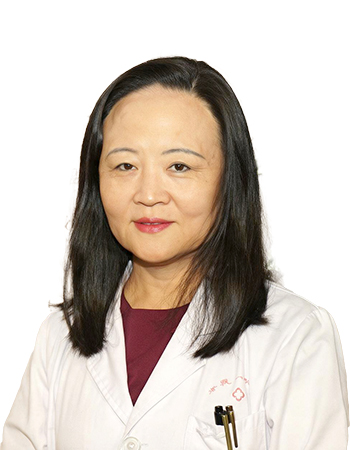
Professor – Specialist in Acupuncture and Moxibustion, specializing in cardiovascular and cerebrovascular diseases and peripheral nerve injury
TCM & Acupuncture
Research areas: Acupuncture treatment for cardiovascular and cerebrovascular diseases, peripheral nerve injury, vertebral artery type cervical spondylosis, and various pain syndromes. Cutting-edge technology: Key expertise includes acupuncture treatment of cardiovascular and cerebrovascular diseases, peripheral nerve injuries, and other ailments. Specializing in acupuncture treatment of diseases of the nervous, musculoskeletal, and digestive systems, vertebral artery type cervical spondylosis, and various
Affiliated Hospital
The First Affiliated Hospital of Tianjin University of Traditional Chinese Medicine
→
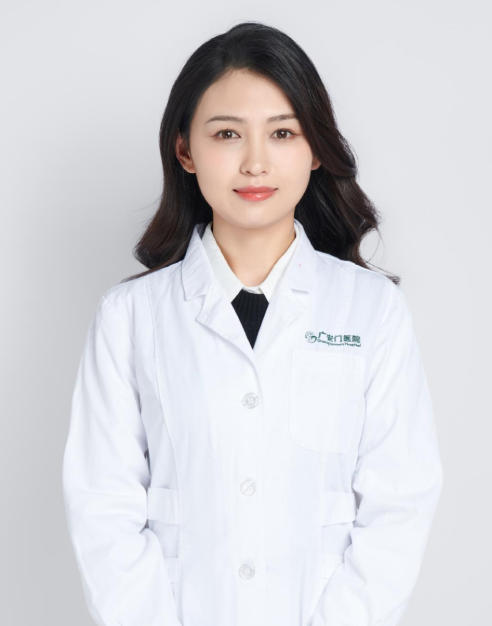
Medical Doctor, Attending Physician.
TCM & Acupuncture
She studied under renowned traditional Chinese medicine practitioners Professor Ding Quanmao and Professor Yao Kuiwu, drawing on the strengths of various schools of thought. She specializes in using acupuncture and massage techniques to treat soft tissue injuries and osteoarthritis such as cervical spondylosis, lumbar disc herniation, frozen shoulder, and knee osteoarthritis; common pediatric diseases such as anorexia and diarrhea; gynecological massage-related conditions such as dysmenorrhea and acute mastitis; and some internal medicine conditions such as stomach pain, constipation, migraines, and anxiety. She has participated in multiple research projects, led one project, published several papers in core journals, applied for two software copyrights, and co-authored one book.
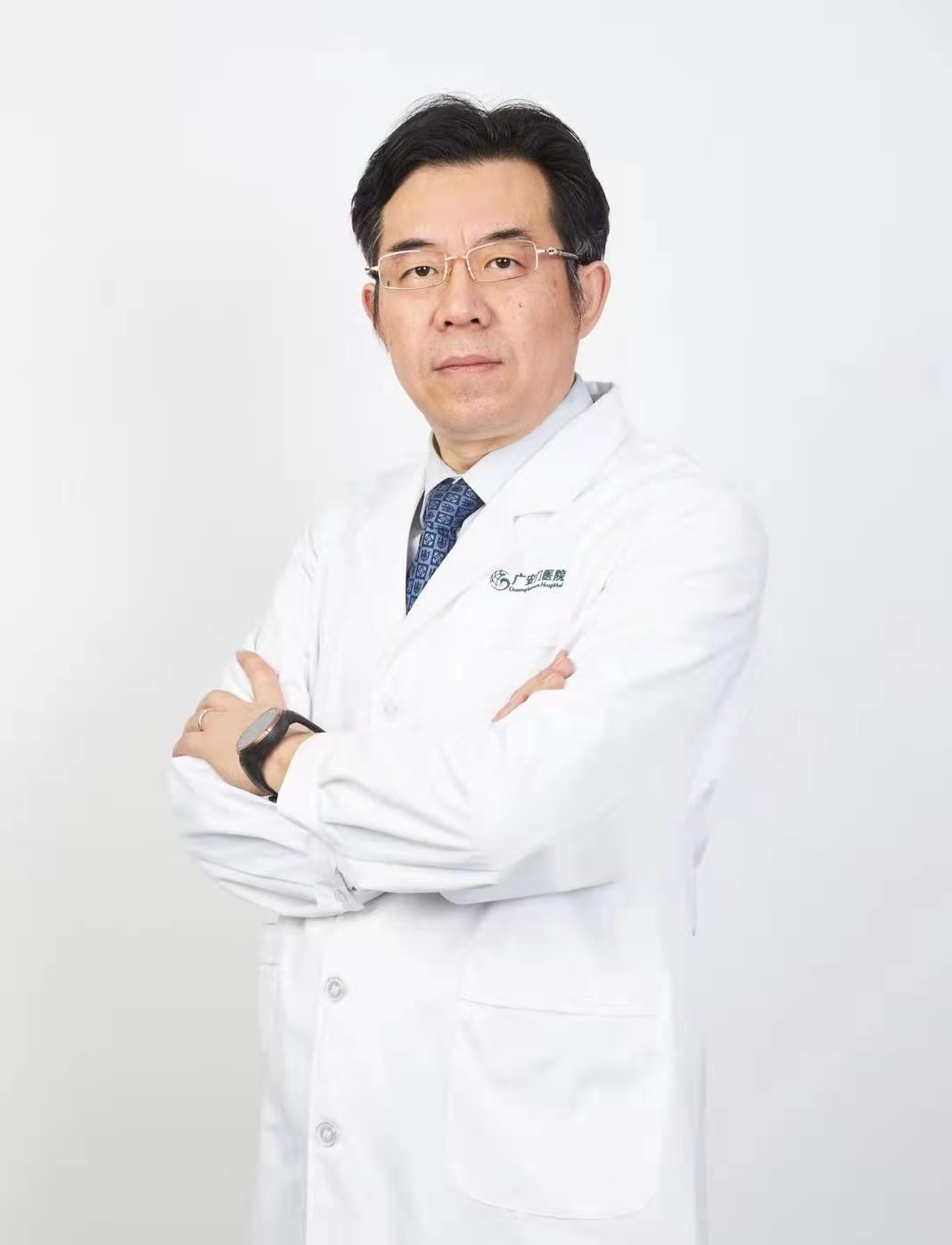
Chief Physician, Director of the Personnel Department, Doctoral Degree, Postdoctoral Fellowship.
TCM & Acupuncture
Specializes in diabetes and its various acute and chronic complications, thyroid diseases, obesity, and other miscellaneous internal medicine diseases in traditional Chinese medicine.
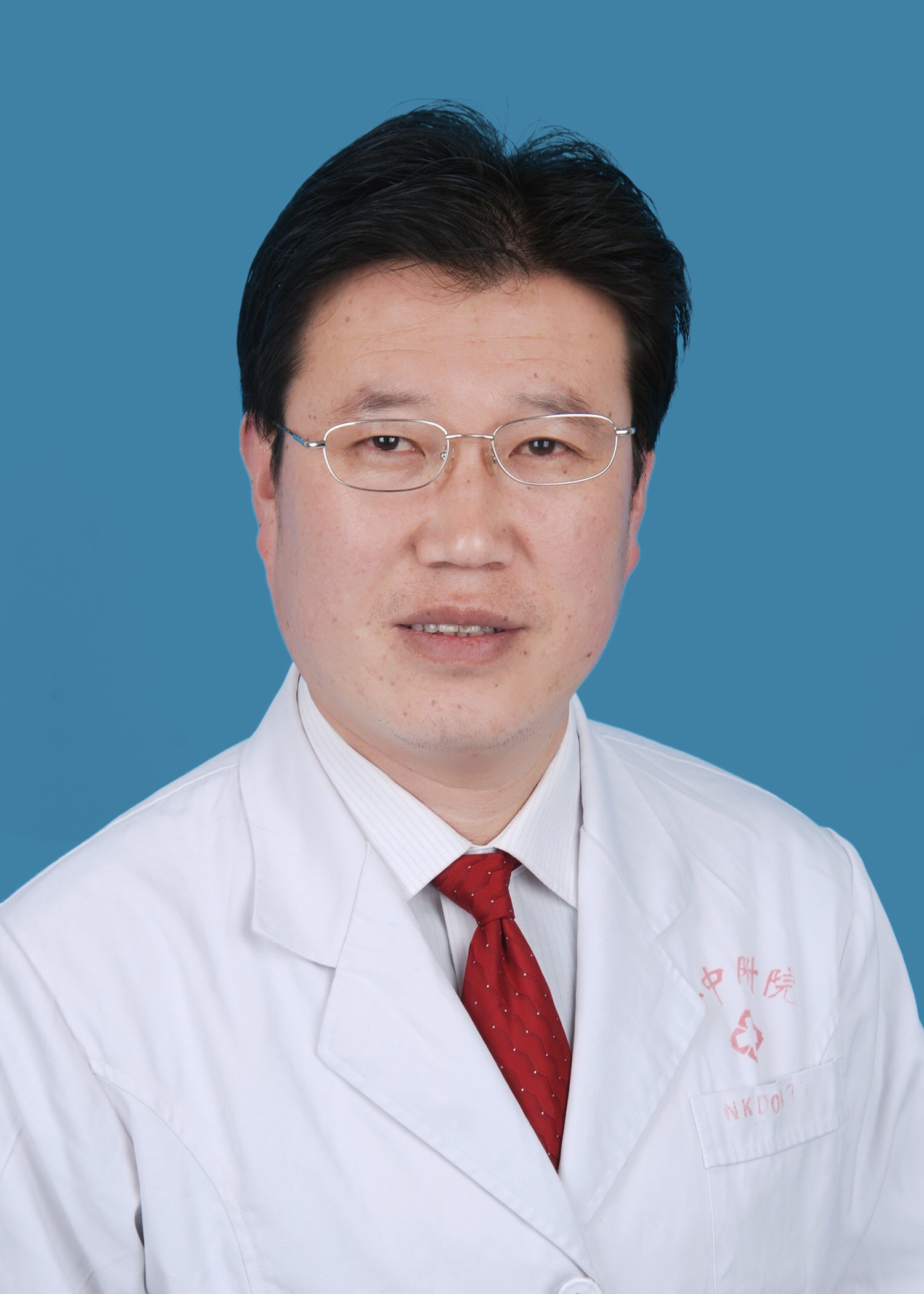
chief physician, master's supervisor, director of the Department of Acupuncture and Pain Management and director of the Department of Acupuncture and Tuina at the Affiliated Hospital of Gansu University of Traditional Chinese Medicine.
TCM & Acupuncture
Yao Xiaoqiang, male, chief physician, master's supervisor, director of the Department of Acupuncture and Pain Management and director of the Department of Acupuncture and Tuina at the Affiliated Hospital of Gansu University of Traditional Chinese Medicine. Specializes in using minimally invasive TCM techniques such as needle knife mirror, small needle knife, and acupuncture to treat painful conditions including: intractable joint swelling and pain, trigeminal neuralgia, migraine, cervical spondylosis, fro
 Affiliated Hospital
 of Gansu University of Traditional Chinese Medicine
→
Chief Physician, Professor, Doctoral Supervisor, Executive Vice President and Director of the Acupuncture Department of Gansu Huangfumi Acupuncture Hospital, and a renowned traditional Chinese medicine doctor in Gansu Province.
TCM & Acupuncture
Chief Physician, Professor, Doctoral Supervisor, Executive Vice President and Director of the Acupuncture Department of Gansu Huangfumi Acupuncture Hospital, and a renowned traditional Chinese medicine doctor in Gansu Province. With nearly 30 years of experience in clinical practice, teaching, and research in traditional Chinese medicine and acupuncture, I am skilled in using traditional medical and health care methods such as acupuncture, Chinese herbal medicine, and qigong to diagnose and treat various
Affiliated Hospital
Affiliated Hospital of Gansu University of Traditional Chinese Medicine
→
Professor, Master's Supervisor, and Renowned Traditional Chinese Medicine Practitioner in Gansu Province.
TCM & AcupunctureObstetrics & Gynecology
Professor, Master's Supervisor, and Renowned Traditional Chinese Medicine Practitioner in Gansu Province. It is used to treat gynecological endocrine disorders, inflammation of the female reproductive system, breast hyperplasia, uterine fibroids, threatened and habitual abortion, complications after induced abortion, endometriosis, infertility, menopausal syndrome, and sub-health conditions.
Affiliated Hospital
Affiliated Hospital of Gansu University of Traditional Chinese Medicine
→
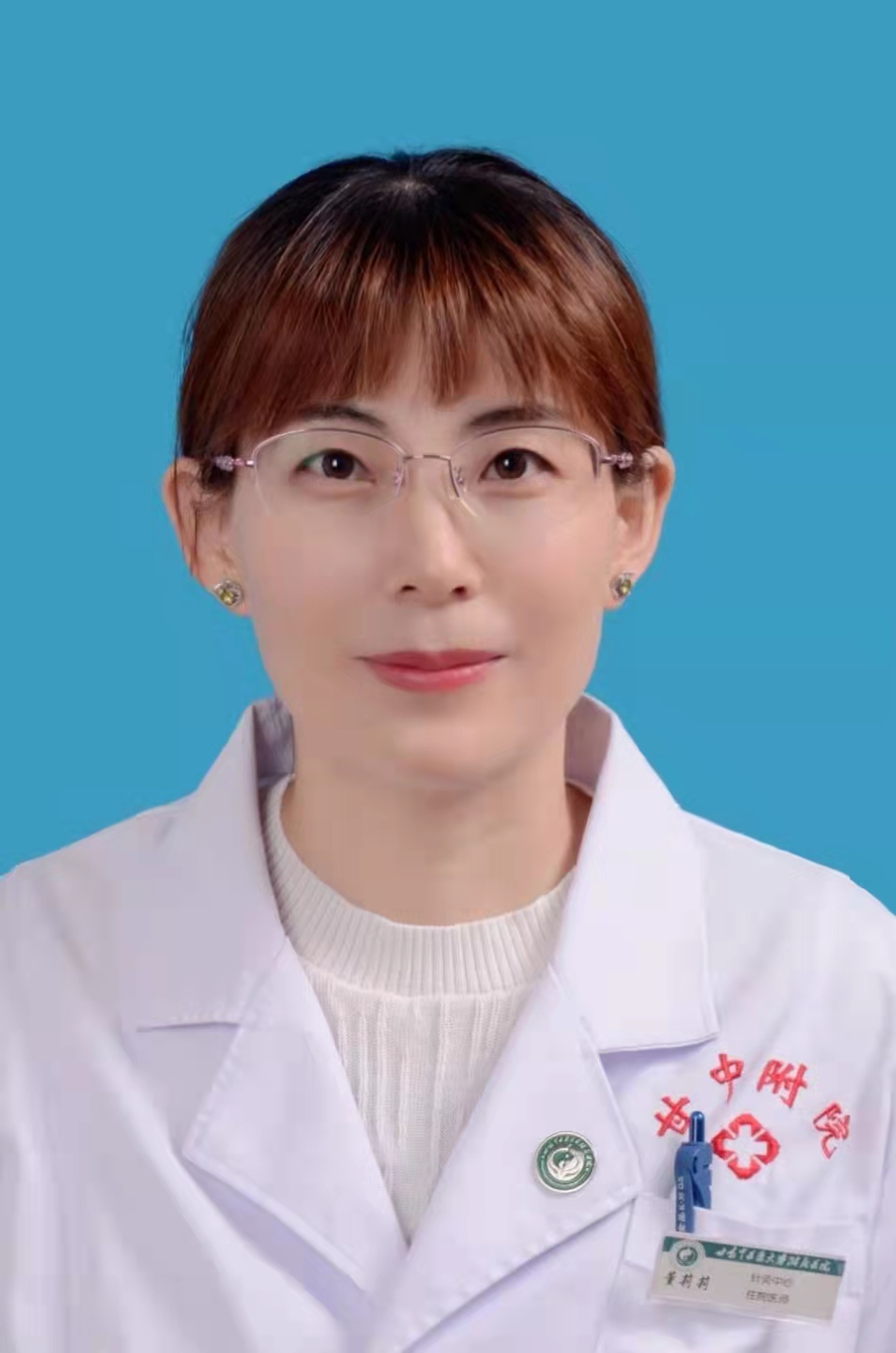
Master's degree graduate, attending physician in the Department of Acupuncture and Pain Management at the Affiliated Hospital of Gansu University of Traditional Chinese Medicine.
TCM & Acupuncture
Master's degree graduate, attending physician in the Department of Acupuncture and Pain Management at the Affiliated Hospital of Gansu University of Traditional Chinese Medicine. Specializes in acupuncture combined with blade acupuncture for treating pain in the neck, shoulders, waist, and legs, as well as trigeminal neuralgia, migraines, and other painful conditions; acupuncture and medication combined for treating stroke, peripheral facial paralysis, insomnia, and other neurological disorders; and acupo
Affiliated Hospital
Affiliated Hospital of Gansu University of Traditional Chinese Medicine
→
Professor, doctoral supervisor, renowned traditional Chinese medicine doctor in Gansu Province, and executive director of the Pediatrics Professional Committee of the China Association of Traditional Chinese Medicine.
TCM & Acupuncture
Professor, doctoral supervisor, renowned traditional Chinese medicine doctor in Gansu Province, and executive director of the Pediatrics Professional Committee of the China Association of Traditional Chinese Medicine. It is used to treat cough and asthma, indigestion, intellectual disability, epilepsy, ADHD, purpura, diarrhea, tic disorders, and recurrent infections in children.
Affiliated Hospital
Affiliated Hospital of Gansu University of Traditional Chinese Medicine
→