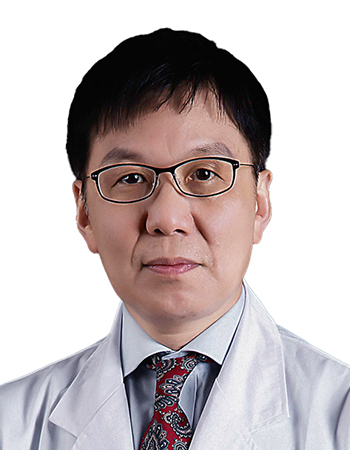
Chief Physician, Key Member of Lung Transplant Surgery Team
Organ Transplant
-Research areas : Lung transplant surgery, thoracoscopic lung transplantation; - Areas of expertise: Single/double lung transplantation surgery, perioperative critical care management after lung transplantation; - Diseases specializing in: end-stage bronchiectasis, pneumoconiosis, and late-stage lung damage from paraquat poisoning; - Academic Highlights & Core Values: Undertakes a large amount of clinical work in lung transplantation, deeply involved in optimizing the clinical process of ECMO-bridging lun
 Affiliated Hospital
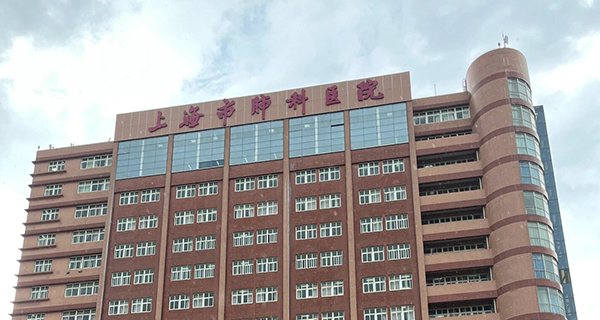
Shanghai Pulmonary Hospital (Shanghai Pulmonary Hospital Affiliated to Tongji University)
→
Chief Physician, Doctoral Supervisor, Director of Liver Transplantation Center, Director of General Surgery, Director of Organ Transplantation Center, Director of the National Health Commission Key Laboratory of Transplantation Engineering and Transplantation Immunology
Organ Transplant
-Research areas : Adult DCD liver transplantation, liver transplantation in elderly recipients, multi-organ transplantation, transplant immunology, optimization of perioperative procedures for liver transplantation; safety studies of living donor liver transplantation; quality assessment and preservation of DCD donor livers. - Cutting-edge technologies: ABO incompatible liver transplantation, liver-kidney combined transplantation, transplantation programs for elderly critically ill recipients; pioneering
 Affiliated Hospital
West China Hospital of Sichuan University
→
Director of the Liver Transplant Center & Department of Liver Surgery, Professor, Doctoral Supervisor, Founder of the Discipline, First-Class Expert, Leading Figure in the Field of Liver Transplantation in my country
Organ Transplant
-Research areas : Basic and clinical aspects of liver transplantation, and the development of living donor liver transplantation technology systems. - Cutting-edge technology: A pioneer in adult living donor liver transplantation in mainland China, leading the implementation of more than 1,200 clinical liver transplants and achieving eight leading firsts in liver transplantation technology nationwide; he began performing pediatric living donor liver transplantation in 2001 and performed the first adult li
Affiliated Hospital
West China Hospital of Sichuan University
→
Chief Physician, Doctoral Supervisor, Deputy Director of Liver Surgery
Organ Transplant
-Research areas : Adult liver transplantation, complex hepatobiliary surgery, combined liver and kidney transplantation; - Areas of expertise: Dual-donor liver transplantation, combined liver and kidney transplantation, and complex hepatobiliary tumor surgery; - Areas of expertise: End-stage cirrhosis, cirrhosis complicated with renal failure, and complex hepatobiliary malignancies; - Academic Highlights & Core Values: Responsible for the clinical system of multi-organ transplantation, handling complex ad
 Affiliated Hospital
Renji Hospital Affiliated to Shanghai Jiao Tong University School of Medicine
→
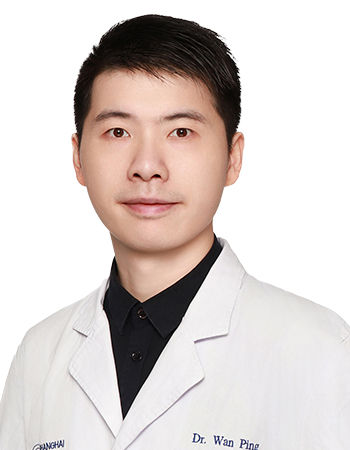
Associate Chief Physician, Liver Surgery Expert at Renji Hospital.
Organ Transplant
Research Areas : Pediatric liver transplantation, Kasai procedure for biliary atresia, and complex liver tumor resection, among other pediatric liver surgeries. Cutting-Edge Techniques: Proficient in the surgical treatment of pediatric liver diseases such as biliary atresia, inherited metabolic diseases, cholestasis, and hepatoblastoma, having treated over 1700 cases of various pediatric liver diseases and rare diseases; as a core member of the team, systematically conducting liver transplantation surgery
Affiliated Hospital
Renji Hospital Affiliated to Shanghai Jiao Tong University School of Medicine
→
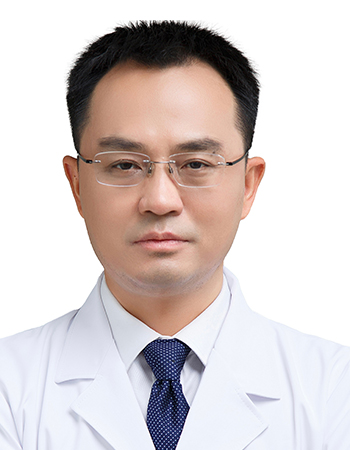
Chief Physician, Professor, Head of Respiratory Critical Care and ECMO
Organ Transplant
Research areas : perioperative extracorporeal life support during transplantation, ARDS, and post-transplant severe respiratory failure; Cutting-edge technologies: ECMO bridging lung transplantation and treatment of severe respiratory complications after transplantation; Areas of expertise: critical respiratory failure before lung transplantation and primary graft failure after transplantation; Academic highlights: Leading expert in domestic ECMO guidelines; Core value: Establishing standardized treatment
 Affiliated Hospital
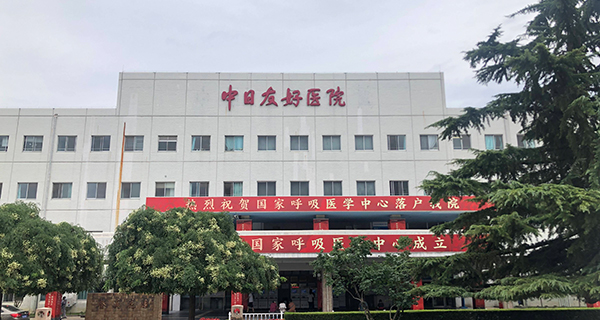
China-Japan Friendship Hospital
→
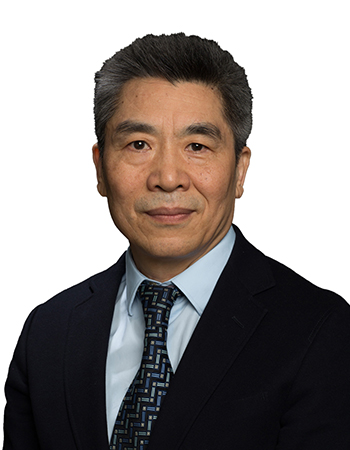
Discipline leader, specializing in critical heart failure surgery and artificial hearts
Organ Transplant
Research areas: Surgical treatment of complex congenital heart disease; application of cell therapy and tissue engineering techniques in cardiovascular diseases; development of artificial hearts and ventricular assist devices; immunological principles of allogeneic and xenogeneic heart transplantation; immune activation to promote myocardial regeneration. Cutting-edge technologies: Led the development of my country's first axial-flow pump ventricular assist device to enter clinical trials, and jointly dev
 Affiliated Hospital
Fuwai Hospital, Chinese Academy of Medical Sciences
→
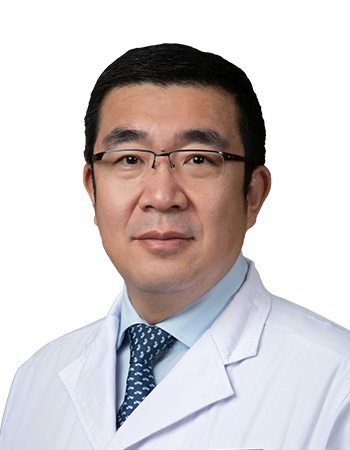
Chief Physician, Professor
Organ Transplant
Research areas : Adult living donor liver transplantation, liver tumor transplantation, post-transplant vascular and biliary complications; Cutting-edge technologies: Complex transplant vascular reconstruction, endoscopic combined with surgical repair of biliary complications; Areas of expertise: Hepatitis B cirrhosis, liver cancer meeting transplantation criteria, living donor and recipient evaluation; Academic highlights: Core backbone of liver transplantation surgery; Core value: Improving strategies f
 Affiliated Hospital
Beijing Friendship Hospital (Second Clinical Medical College), Capital Medical University
→
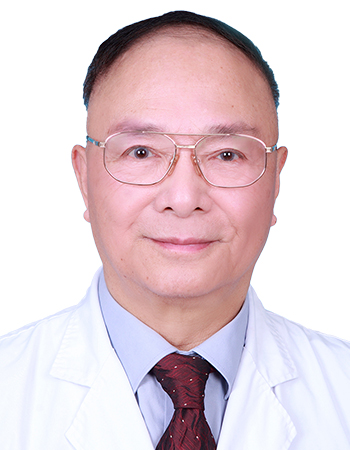
Chief Physician, Professor, Founder of Lung Transplantation
Organ Transplant
-Research area : Basic and clinical system construction for lung transplantation; - Areas of expertise: Establishment of early lung transplantation technology system, perioperative management of lung transplantation; - Areas of expertise: Transplantation assessment for various end-stage lung diseases; - Academic Highlights & Core Values: Completed the hospital's first clinical lung transplant in 2003; served as chief editor of the first domestic monograph on lung transplantation, promoting the establishme
Affiliated Hospital
Shanghai Pulmonary Hospital (Shanghai Pulmonary Hospital Affiliated to Tongji University)
→
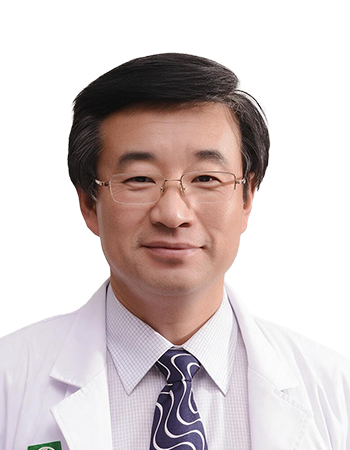
Academician – Director of the Lung Transplantation Center, specializing in respiratory and critical care medicine and end-stage lung disease
Organ Transplant
Research areas: Respiratory and critical care medicine, comprehensive diagnosis and treatment of end-stage lung disease and full management of lung transplantation, clinical and research studies on COPD, asthma, pulmonary embolism and pulmonary hypertension, and interstitial lung disease. Cutting-edge technology: As the academic leader of the National Center for Respiratory Medicine, he spearheaded the construction of a comprehensive medical system for respiratory diseases, ranging from early prevention a
Affiliated Hospital
China-Japan Friendship Hospital
→
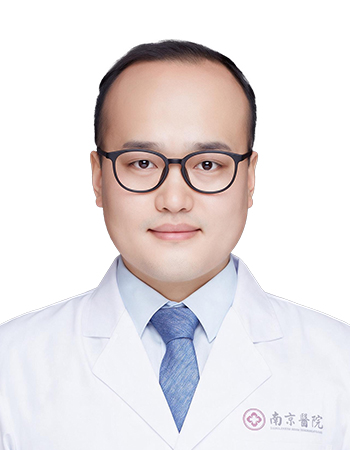
Associate Chief Physician
Organ Transplant
Research areas : basic and clinical research on kidney transplantation; organ maintenance and procurement; prevention and treatment of chronic renal failure. Specialties: Chronic renal failure after transplantation, perioperative management. Academic Highlights: He has long focused on basic and clinical research in kidney transplantation and has extensive experience in organ maintenance and procurement, as well as the prevention and treatment of chronic renal failure.
 Affiliated Hospital
Southern Medical University Southern Hospital
→
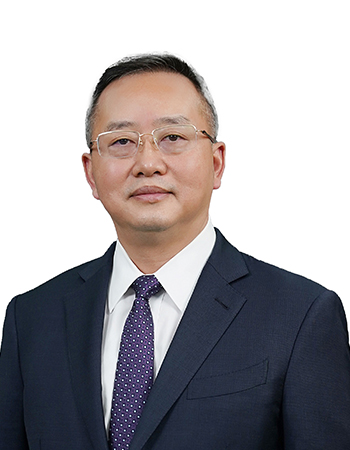
Professor, Doctoral Supervisor, Director/Guiding Expert of Lung Transplantation Center, Director of Thoracic Surgery, Vice President, Academic Leader
Organ Transplant
-Research areas : minimally invasive thoracic surgery, construction of lung transplantation surgical technology system, complex airway/vascular reconstruction; minimally invasive thoracic surgery; surgical treatment of lung cancer. - Cutting-edge technology: Expert who guided the world's first sequential double lung transplant under thoracoscopic surgery; the world's first thoracoscopic lung transplant; unidirectional thoracoscopic lobectomy (international first). - Areas of expertise: Surgical treatment
Affiliated Hospital
West China Hospital of Sichuan University
→
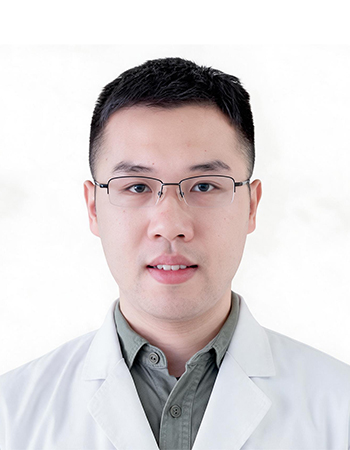
Attending Physician, Lecturer, and Master's Supervisor in Urology
Organ Transplant
Research areas : long-term follow-up, medication administration, and management of complications after kidney transplantation; assessment, registration, and surgery for living donor and deceased donor kidney transplantation. Areas of expertise: Post-kidney transplant follow-up management, urinary system injury and repair, kidney stones. Academic Highlights: Doctor of Clinical Medicine/Postdoctoral Fellow, Sichuan University/University of British Columbia; Member of the Organ Procurement and Evaluation Gro
Affiliated Hospital
West China Hospital of Sichuan University
→
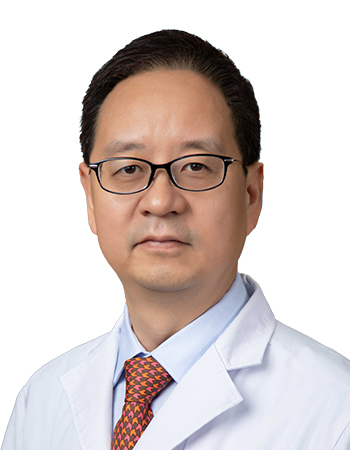
Professor – Director of the Liver Transplantation Center, specializing in liver transplantation and transplant immunology
Organ Transplant
Research areas: Clinical and basic research on liver transplantation, liver surgery and portal hypertension surgery, transplant tolerance and organ protection, cross-assisted domino liver transplantation. Cutting-edge technology: With over 30 years of medical experience, he has performed more than 3,200 liver transplant surgeries, including over 1,100 living donor liver transplants and over 1,100 pediatric liver transplants, making him one of the most prolific liver transplant surgeons in my country. He p
Affiliated Hospital
Beijing Friendship Hospital (Second Clinical Medical College), Capital Medical University
→
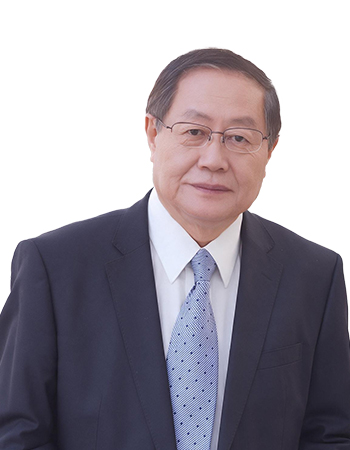
Chief Physician, Professor, Founder of Lung Transplantation
Organ Transplant
Research areas : Lung transplantation, end-stage lung disease surgery, complex thoracic surgery; Cutting-edge technologies: Sequential bilateral lung transplantation, perioperative ECMO bridging for lung transplantation; Areas of expertise: Interstitial lung disease, COPD, pulmonary hypertension, end-stage lung disease; Academic highlights: Pioneer of lung transplantation in China, core expert in national lung transplantation quality control; Core value: Establishing a standardized clinical system for lun
Affiliated Hospital
China-Japan Friendship Hospital
→
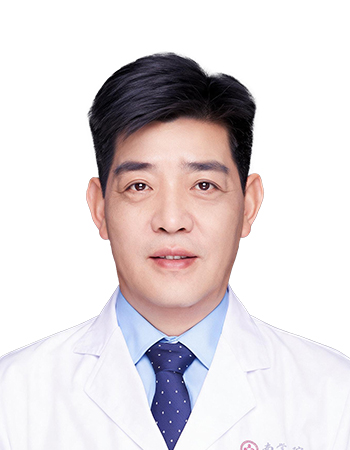
Chief Physician, Associate Professor, Director of Organ Transplantation Department
Organ Transplant
-Research areas : Multi-organ transplantation (liver and kidney, pancreas and kidney, hepatopancreatoduodenal transplantation), transplant surgery, management of transplant immunosuppressants. - Cutting-edge technologies: combined pancreas-kidney transplantation, combined liver-kidney transplantation, and complex donor organ preparation. - Areas of expertise: End-stage renal disease, end-stage liver disease, diabetes mellitus complicated with uremia, and acute and chronic rejection after transplantation.
Affiliated Hospital
Southern Medical University Southern Hospital
→
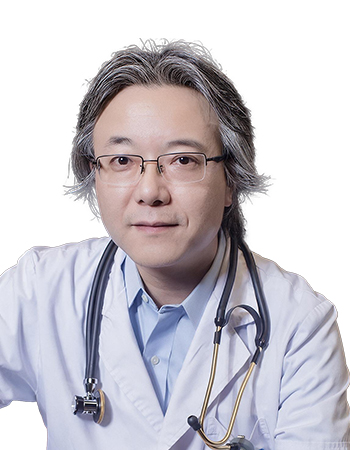
Deputy Director of Organ Transplant Center, Director of Kidney Transplant Center, Deputy Director of Urology Department, Chief Physician, Professor, Doctoral Supervisor, Academic Leader
Organ Transplant
-Research areas : living donor kidney transplantation, robotic minimally invasive kidney transplantation, clinical and basic research on kidney transplantation; with a focus on the rejection and adaptation mechanisms of ABO incompatible kidney transplantation and transplant immune tolerance. - Cutting-edge technologies: Transvaginal robotic kidney transplantation, minimally invasive laparoscopic kidney harvesting for living-related kidney transplantation; handling of complex blood vessels in kidney transp
Affiliated Hospital
West China Hospital of Sichuan University
→
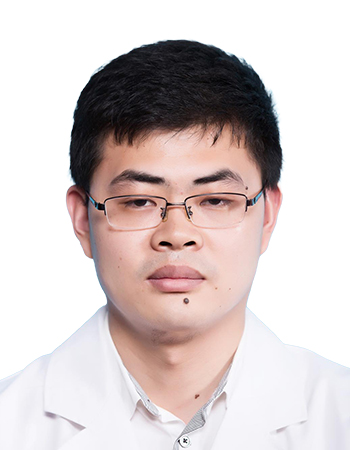
Post-heart transplant volume management and intensive care
Organ Transplant
Research areas: Post-heart transplant volume management strategies and prevention of early post-transplant complications. Cutting-edge technology: Based on clinical data from 121 heart transplant recipients, this study systematically analyzed postoperative fluid management protocols and early clinical outcomes, and established a multi-parameter-guided dynamic volume management protocol guided by central venous pressure, bedside ultrasound, and floating catheter parameters. Areas of expertise: Post-heart t
Affiliated Hospital
Fuwai Hospital, Chinese Academy of Medical Sciences
→
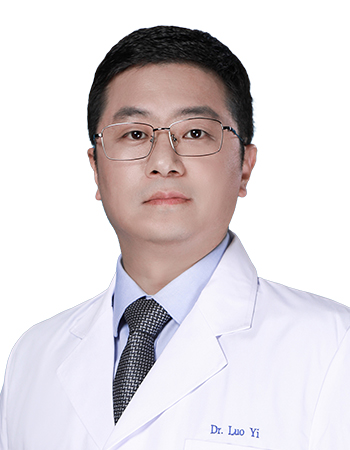
Chief Physician, MD, Deputy Director of the Department of Hepatobiliary Surgery, Renji Hospital
Organ Transplant
Executive Director of the Pediatric Hepatobiliary Surgery Ward and Secretary of the Party Branch of the Hepatobiliary Surgery Department. Research Areas : Minimally invasive laparoscopic surgery for liver tumors in adults and children, and liver transplantation for various end-stage liver diseases. Cutting-Edge Technologies: Internationally advanced in living donor liver transplantation and laparoscopic living donor liver transplantation liver resection; proficient in fluorescence-guided laparoscopic livi
Affiliated Hospital
Renji Hospital Affiliated to Shanghai Jiao Tong University School of Medicine
→
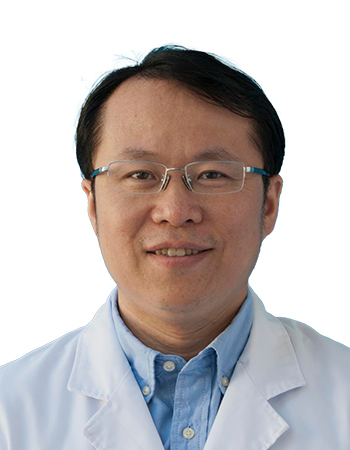
Heart transplantation and critical heart failure surgery
Organ Transplant
Research areas: Surgical treatment of severe heart failure; surgical treatment of chronic thromboembolic pulmonary hypertension (CTEPH); surgical treatment of mitral valve repair; prediction and intervention of perioperative acute kidney injury in cardiovascular diseases. Cutting-edge technology: While maintaining the top ranking nationwide in both surgical volume and quality, the team places greater emphasis on building research capabilities. The team has undertaken 2 National Key Research and Developmen
Affiliated Hospital
Fuwai Hospital, Chinese Academy of Medical Sciences
→
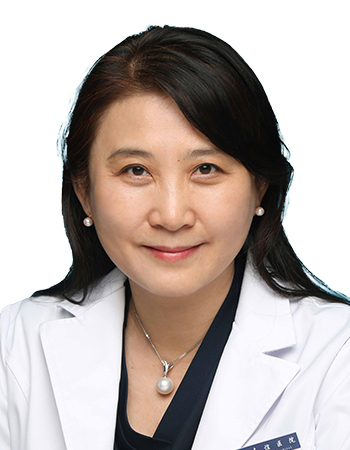
Chief Physician, Professor, Specializing in Severe Liver Disease/Transplant ICU
Organ Transplant
Research areas : perioperative critical care for liver transplantation, acute liver failure, post-transplant complications; cutting-edge technology: artificial liver + ECMO bridging liver transplantation; diseases of expertise: acute-on-chronic liver failure, post-transplant rejection, severe post-transplant infection, hepatorenal syndrome; academic highlights: a leading expert in the field of critical care for liver transplantation in China; core value: establishing a preoperative bridging support and po
Affiliated Hospital
Beijing Friendship Hospital (Second Clinical Medical College), Capital Medical University
→
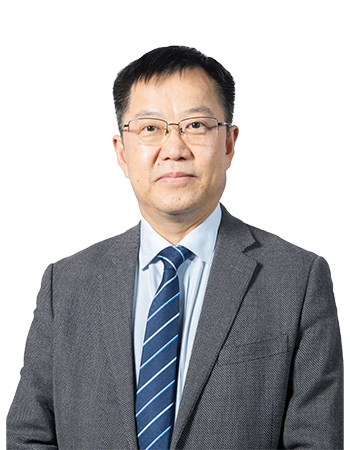
Professor, Doctoral Supervisor, Deputy Director of the Lung Transplantation Center, Director of the Department of Respiratory and Critical Care Medicine
Organ Transplant
-Research areas : post-transplant respiratory management, post-transplant infection and immune management, medical assessment and management of end-stage lung disease; preoperative assessment and postoperative management of lung transplantation. - Cutting-edge technologies: Recipient stratification assessment system for end-stage lung disease, endoscopic interventional treatment of post-transplant airway complications - Areas of expertise: Interstitial lung disease, pulmonary hypertension, COPD, preoperat
Affiliated Hospital
West China Hospital of Sichuan University
→
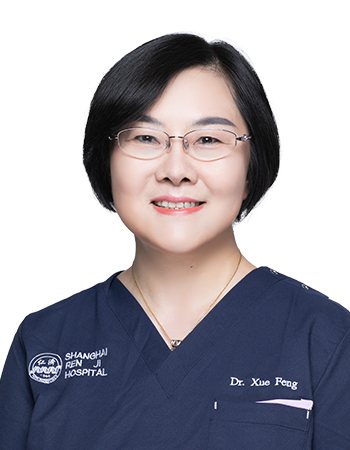
Chief Physician, Professor, Liver Surgery Expert at Renji Hospital, Transplant Internist.
Organ Transplant
Research areas : Post-liver transplant immune monitoring, individualized immunosuppression regimen development, diagnosis and treatment of acute and chronic rejection after transplantation, and long-term follow-up after organ transplantation. Cutting-edge technologies: Focused on improving long-term outcomes for liver transplant recipients through immune monitoring and personalized immunosuppression, with extensive experience in the management of liver transplantation in both adults and children. Areas of
Affiliated Hospital
Renji Hospital Affiliated to Shanghai Jiao Tong University School of Medicine
→
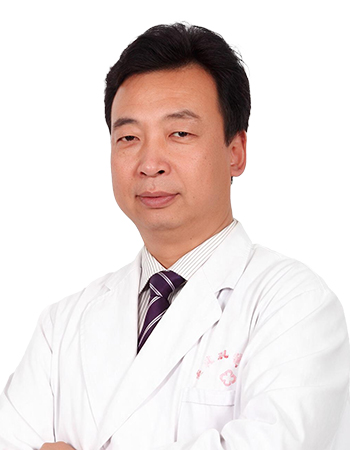
Chief Physician, Doctor of Medicine, Level 2 Professor, Executive Director of Liver Surgery at Renji Hospital.
Organ Transplant
Research Areas : Surgical diagnosis and treatment of various end-stage liver diseases, hepatobiliary diseases, and benign and malignant liver tumors, with particular expertise in pediatric and adult liver transplantation. Cutting-Edge Technologies: Focused on precise resection and transplantation of complex liver tumors, possessing unique surgical techniques. Areas of Expertise: End-stage liver disease, cirrhosis, liver cancer, hepatic hemangioma, biliary tract diseases, and pediatric liver transplantatio
Affiliated Hospital
Renji Hospital Affiliated to Shanghai Jiao Tong University School of Medicine
→
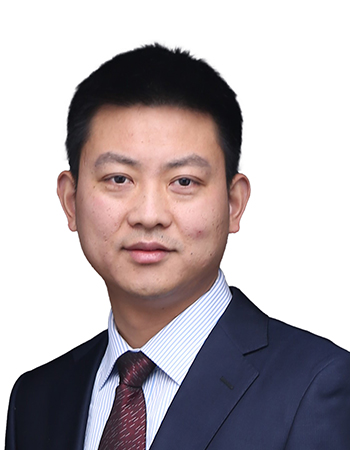
Associate Professor, Doctoral Supervisor, Deputy Director of the Lung Transplant Center, Chief Physician of Thoracic Surgery
Organ Transplant
-Research areas : Lung transplant surgery, donor lung protection, post-transplant rejection mechanisms, innovation in lung transplant technology; application of robotic surgery; surgical treatment of end-stage lung disease. - Cutting-edge technologies: The procedure of thoracoscopic double lung transplantation has been successfully implemented, including thoracoscopic-assisted small-incision lung transplantation and the world's first sequential double lung transplantation under thoracoscopic guidance (202
Affiliated Hospital
West China Hospital of Sichuan University
→
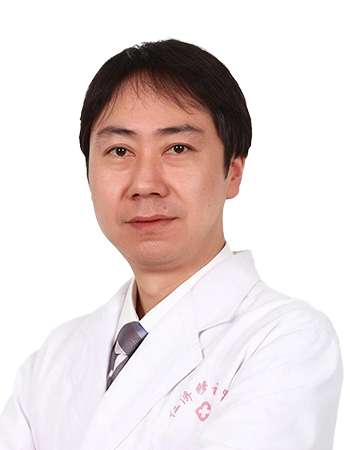
Chief Physician, Doctor
Organ Transplant
-Research areas : transplant immunology, long-term management after liver transplantation, and differentiation between rejection and infection; - Areas of expertise: Development of individualized immunosuppressant regimens after transplantation; comprehensive diagnosis and treatment of post-transplantation complications; - Areas of expertise: Acute/chronic rejection after liver transplantation, post-transplant infection, and recurrent liver disease after transplantation; - Academic Highlights & Core Value
Affiliated Hospital
Renji Hospital Affiliated to Shanghai Jiao Tong University School of Medicine
→
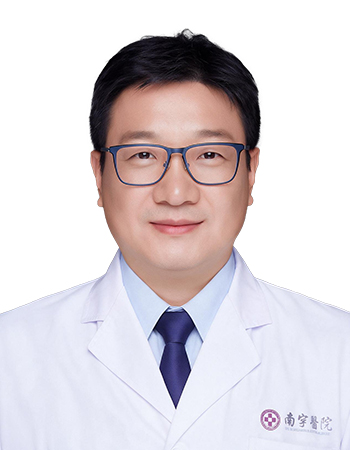
Chief Physician, Professor, Deputy Director of Department, Renowned Doctor of Lingnan
Organ Transplant
Research areas : Kidney transplantation, long-term post-transplant complications, individualized immunosuppressant regimens. - Cutting-edge technologies: Kidney transplantation in the elderly, kidney transplantation for diabetic nephropathy, and post-transplant intervention for chronic kidney disease. - Areas of expertise: Various end-stage renal diseases, post-transplant infections, chronic rejection, and graft dysfunction. - Academic Highlights & Value: 34 years of experience in transplantation, expert
Affiliated Hospital
Southern Medical University Southern Hospital
→
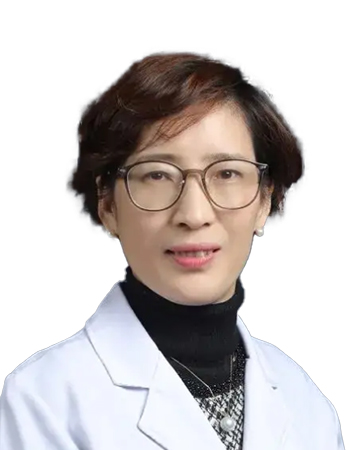
Chief Physician, Professor, Doctoral Supervisor, Department of Respiratory and Critical Care Medicine, Head of Lung Transplant MDT (Internal Medicine Department)
Organ Transplant
-Research areas : Preoperative assessment of end-stage lung disease, long-term management after lung transplantation, and transplant immunology; - Areas of expertise: Lung transplant recipient screening, post-transplant rejection and internal medicine treatment of BOS; - Areas of expertise: Pulmonary fibrosis, pulmonary hypertension, post-transplant bronchiolitis obliterans; - Academic Highlights & Core Values: Responsible for preoperative medical assessment of lung transplant patients, long-term postoper
Affiliated Hospital
Shanghai Pulmonary Hospital (Shanghai Pulmonary Hospital Affiliated to Tongji University)
→
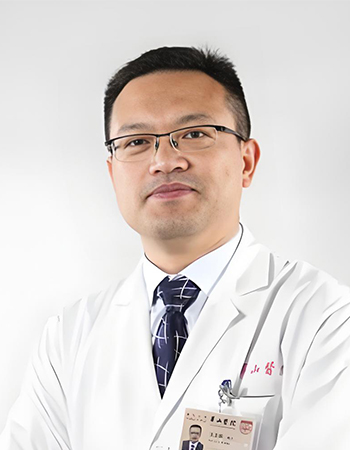
MD, PhD, Dr., Chief Physician, Doctoral Supervisor. Deputy Director of the Department of General Surgery and Director of the Liver Transplantation Center at Huashan Hospital, Fudan University, Shanghai
Organ Transplant
Chief Scientist of the National Key Research and Development Program of the Ministry of Science and Technology, Leading Talent of Shanghai Municipality, First Chairman of the Organ Transplantation and Rehabilitation Committee of the Chinese Association of Rehabilitation Medicine, Vice Chairman of the Organ Transplantation Committee of the Shanghai Medical Association, Member of the Organ Transplantation Branch of the Chinese Medical Association (Head of the Infection Group), Standing Committee Member of t
 Affiliated Hospital
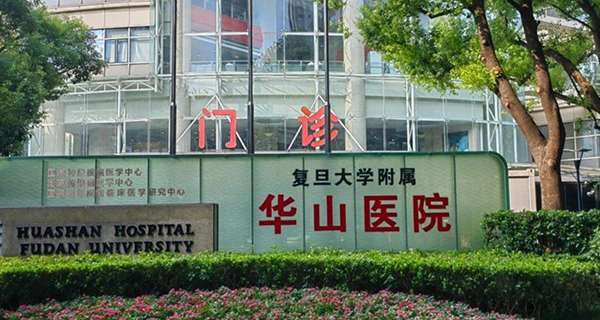
Huashan Hospital Affiliated to Fudan University
→
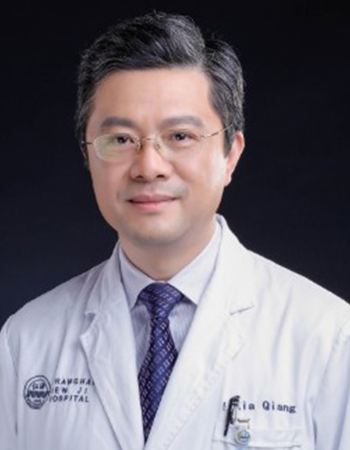
DR. of the Chinese Academy of Engineering, Doctor of Medicine, Chief Physician, Dr., and Doctoral Supervisor
Organ Transplant
Currently serving as President and Deputy Party Secretary of Renji Hospital affiliated with Shanghai Jiao Tong University School of Medicine, Director of the Shanghai Organ Transplantation and Immunological Engineering Technology Research Center, Director of the Shanghai Organ Transplantation Institute, Director of the China-Southeast Asia Translational Research Center for End-Stage Liver Disease in Children, Director of the Shanghai Liver Transplantation Quality Control Center, and a leading expert in li
Affiliated Hospital
Renji Hospital Affiliated to Shanghai Jiao Tong University School of Medicine
→
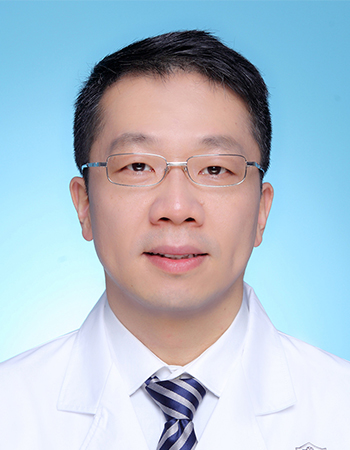
Chief Physician, Dr., Doctoral Supervisor, President of Shanghai Pulmonary Hospital, Director of Shanghai Lung Transplantation Engineering Technology Research Center
Organ Transplant
Director of Lung Transplantation Center, Director of Tongji University Thoracic Surgery Clinical Research Center, recipient of the National Hundred, Thousand, and Ten Thousand Talents Project, Outstanding Young and Middle-aged Expert of the National Health Commission, Leading Talent of Shanghai, and recipient of the "Shanghai Medical Craftsman" title in 2023. He led the establishment of the Shanghai Lung Transplantation Engineering Technology Research Center, creating the first lung transplantation-specif
Affiliated Hospital
Shanghai Pulmonary Hospital (Shanghai Pulmonary Hospital Affiliated to Tongji University)
→
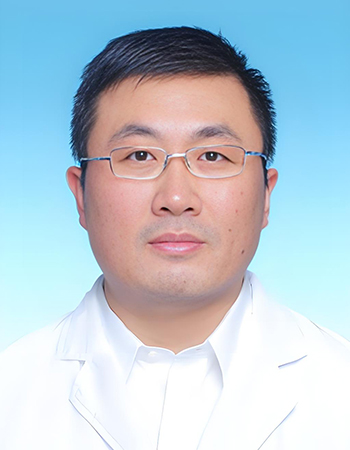
Chief Physician, MD, PhD Supervisor, Administrative Director of Thoracic Surgery and Executive Director of the Lung Transplantation Center at Shanghai Pulmonary Hospital
Organ Transplant
Member of the Mediastinal Tumor Committee of the Chinese Anti-Cancer Association. He conducted visiting research at the Mayo Clinic in the United States from 2006 to 2007. He was among the first in China to perform large-scale robot-assisted single-port lung resection and subxiphoid thymectomy, reducing the conventional robot-assisted lung resection from 4 or 5 ports to single-port and single-port procedures. In February 2021, he performed the world's first single-port robotic sleeve lobectomy. He has com
Affiliated Hospital
Shanghai Pulmonary Hospital (Shanghai Pulmonary Hospital Affiliated to Tongji University)
→
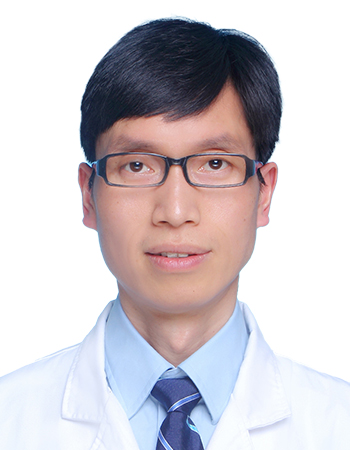
Chief Physician, core member of the lung transplant team at Shanghai Pulmonary Hospital, and recipient of the 2025 "Good Person of Shanghai" award.
Organ Transplant
Research areas : Lung transplant surgery, surgical treatment of end-stage lung diseases. Cutting-edge technologies: Extensive clinical experience in perioperative management of lung transplantation, ECMO-bridging lung transplantation, and prevention and control of postoperative complications; involved in establishing standardized lung transplantation procedures and an AI-driven quality control system. Areas of Expertise: Lung transplantation for end-stage lung disease, lung tumors, mediastinal tumors. Aca
Affiliated Hospital
Shanghai Pulmonary Hospital (Shanghai Pulmonary Hospital Affiliated to Tongji University)
→